What It Costs
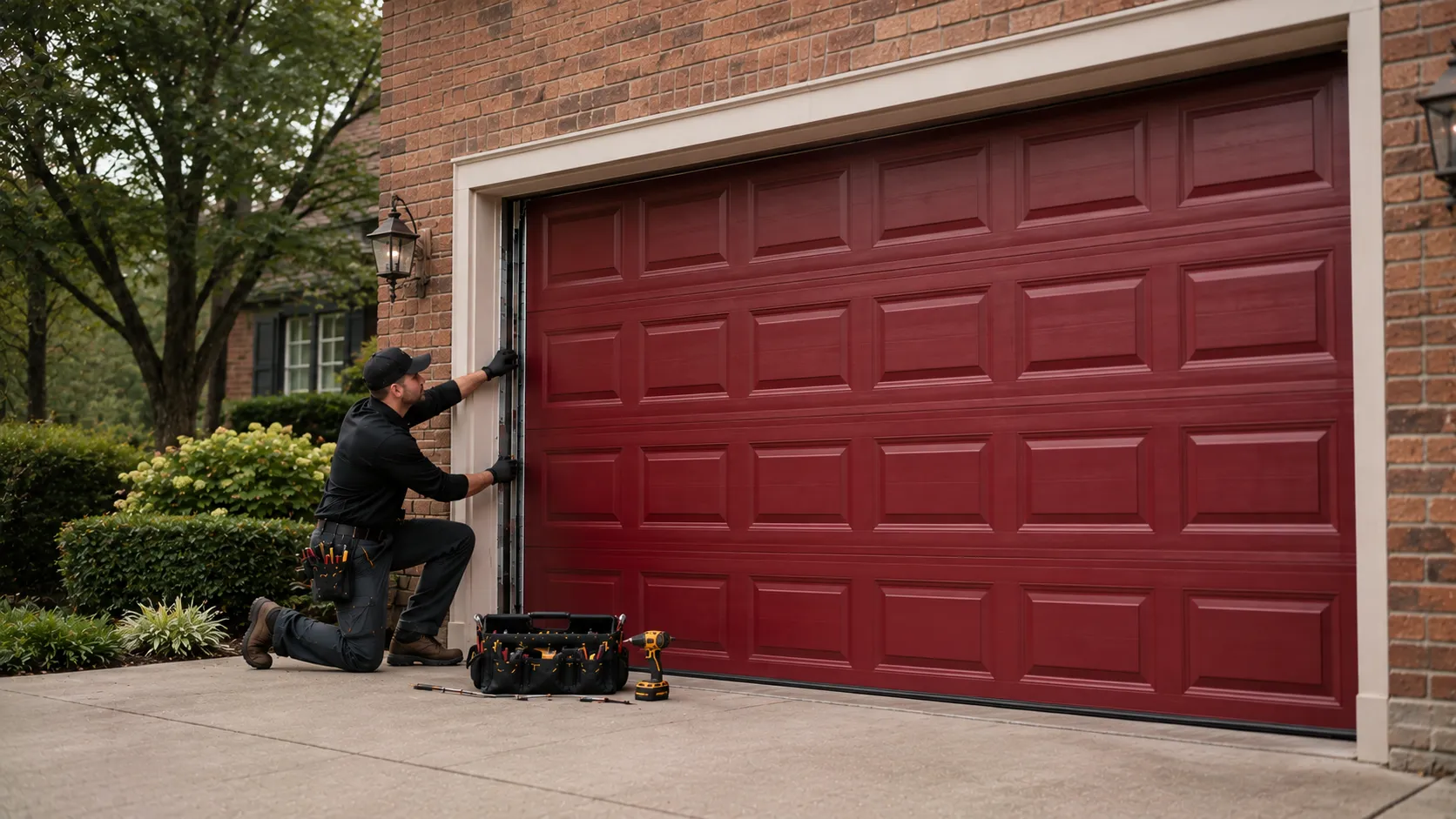
We don't quote a flat number over the phone, because a broken torsion spring on a 2005 build and a worn cable on a 1995 build aren't the same job. What we can tell you is that Potosi's housing mostly went up after 2000, well past the 1973 median build year for the wider Abilene service area, so the doors are still mostly original steel torsion setups rather than the older extension-spring rigs common on the city's older streets. That matters for cost because torsion hardware and its parts run differently than extension hardware, and a tech quoting blind over the phone is guessing.
We look at the door in person, tell you what's actually worn versus what's failed outright, and give you a number before any work starts. If a repair costs close to what a new opener or door section runs, we'll say so instead of patching something that's going to fail again in six months. That's not upselling - it's just where the math lands on a door this age.
One honest limit: if a part on your door was discontinued by the manufacturer, sourcing it can add days to the job. We'll tell you upfront if that's the case rather than let you assume next-day.
Can You Do This Yourself
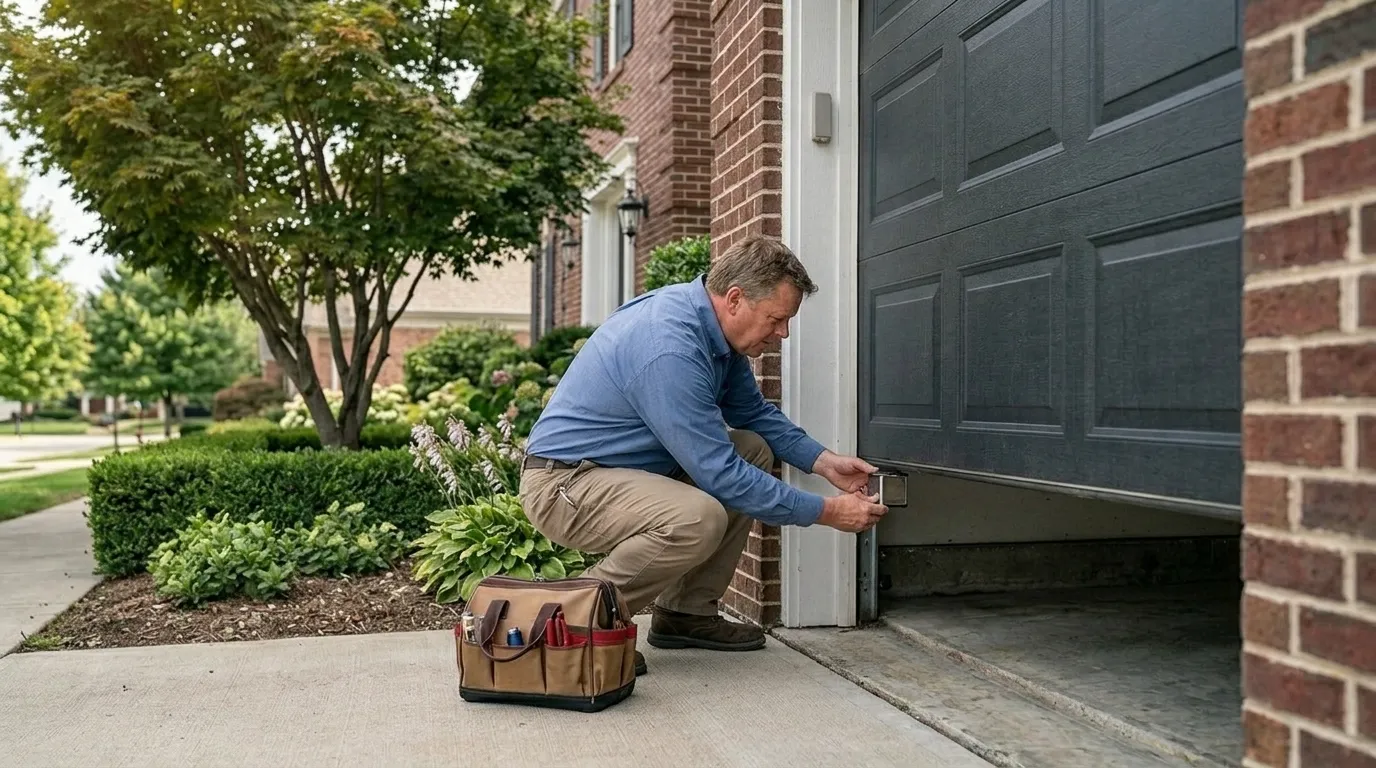
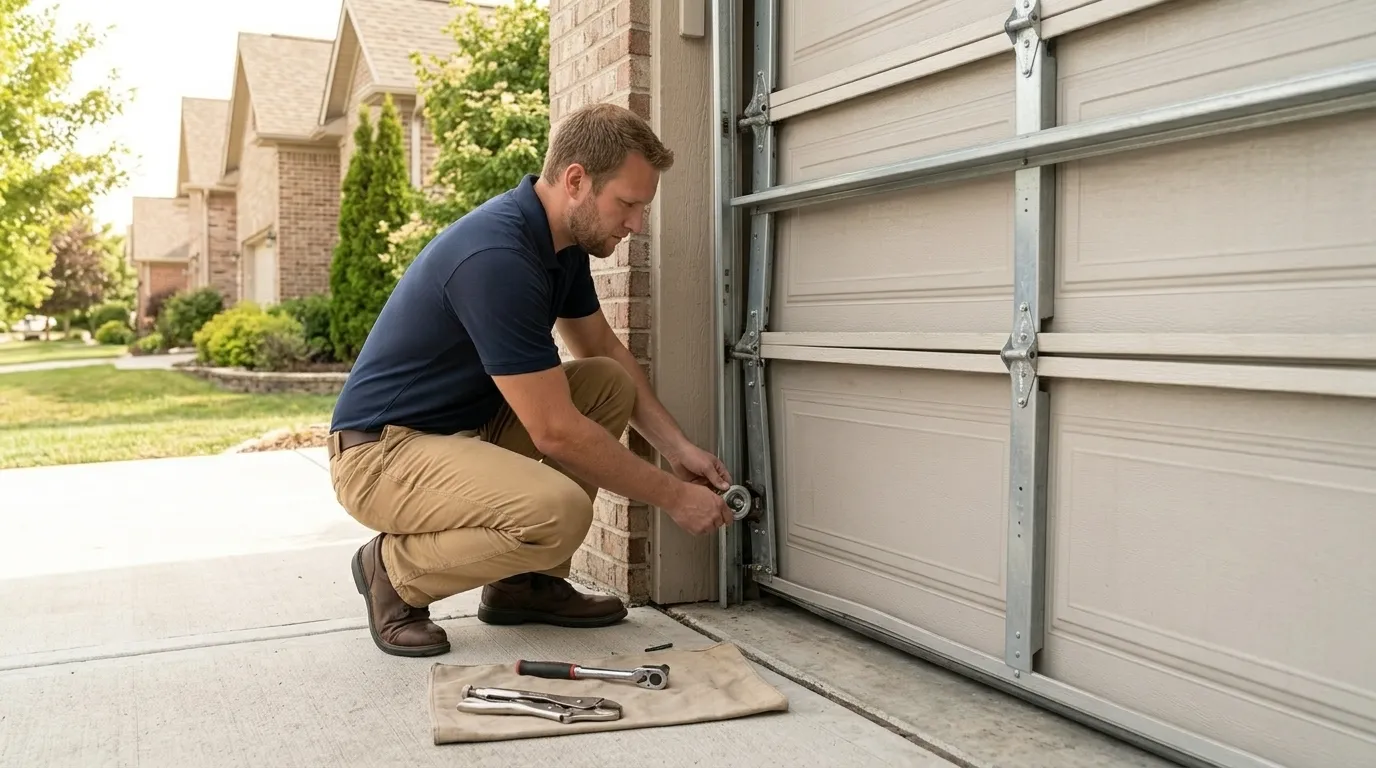
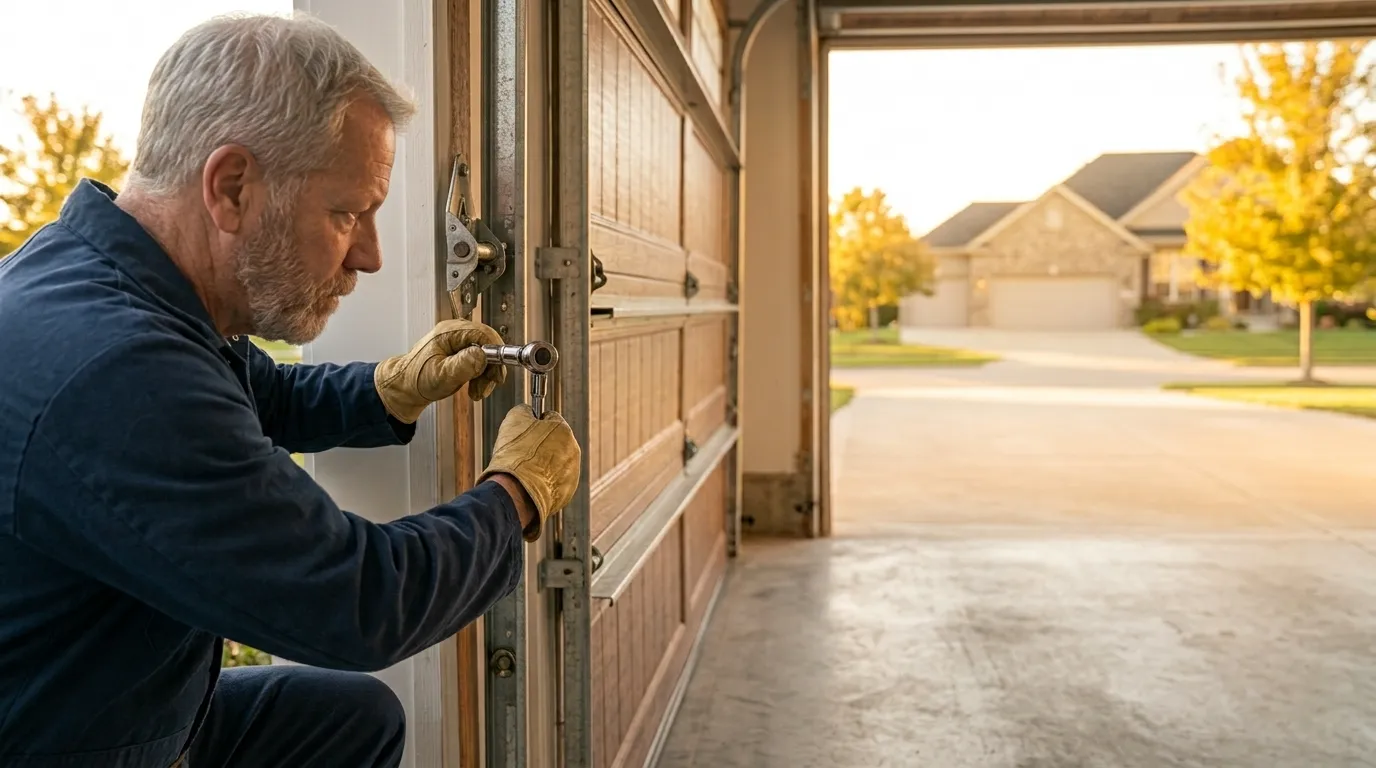
Some of it, yes. Tightening loose bolts on the track brackets, cleaning and lubricating rollers, wiping down and realigning photo-eye sensors, and checking that the door balances evenly when disconnected from the opener - all reasonable for an owner with basic tools.
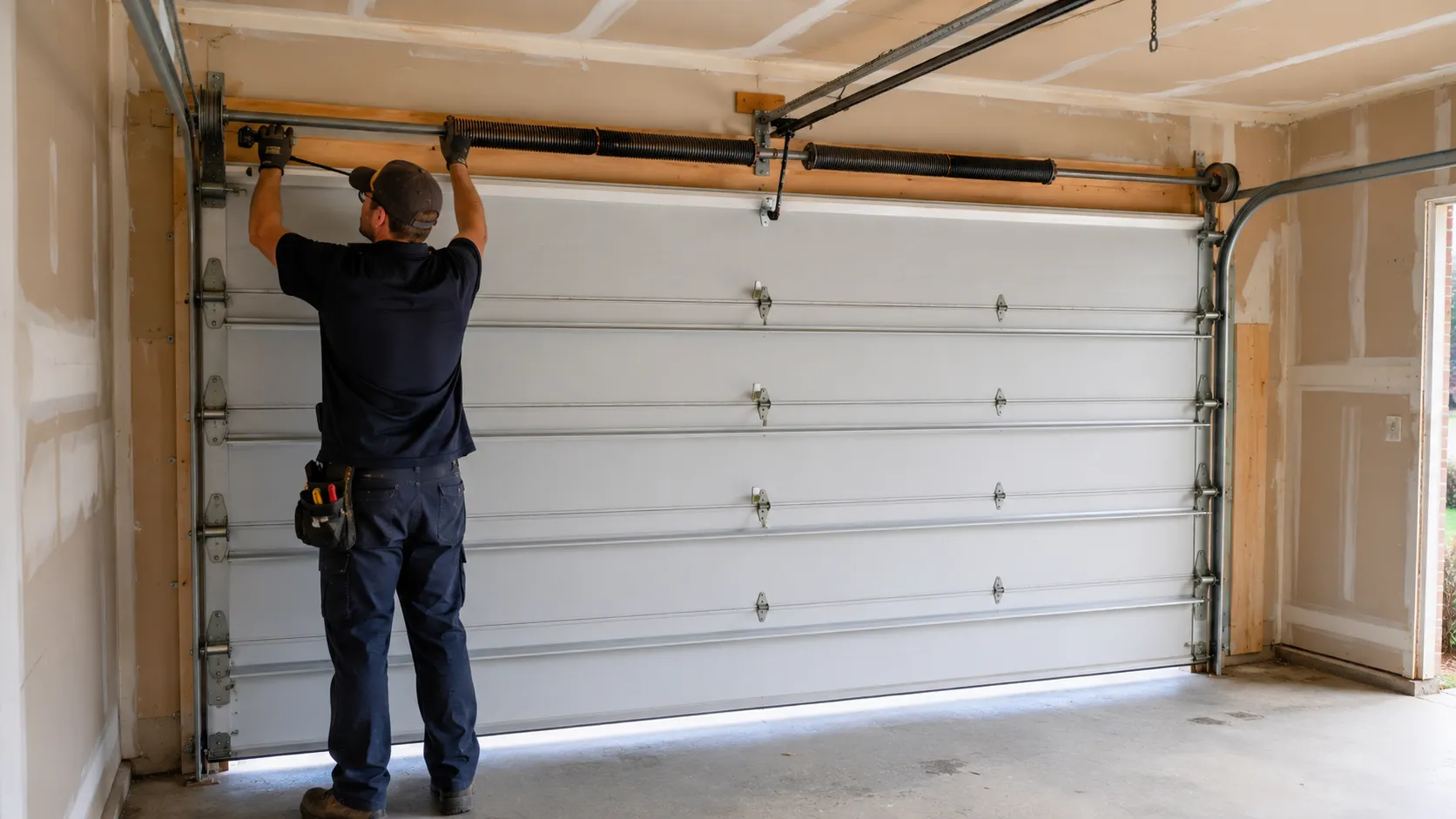
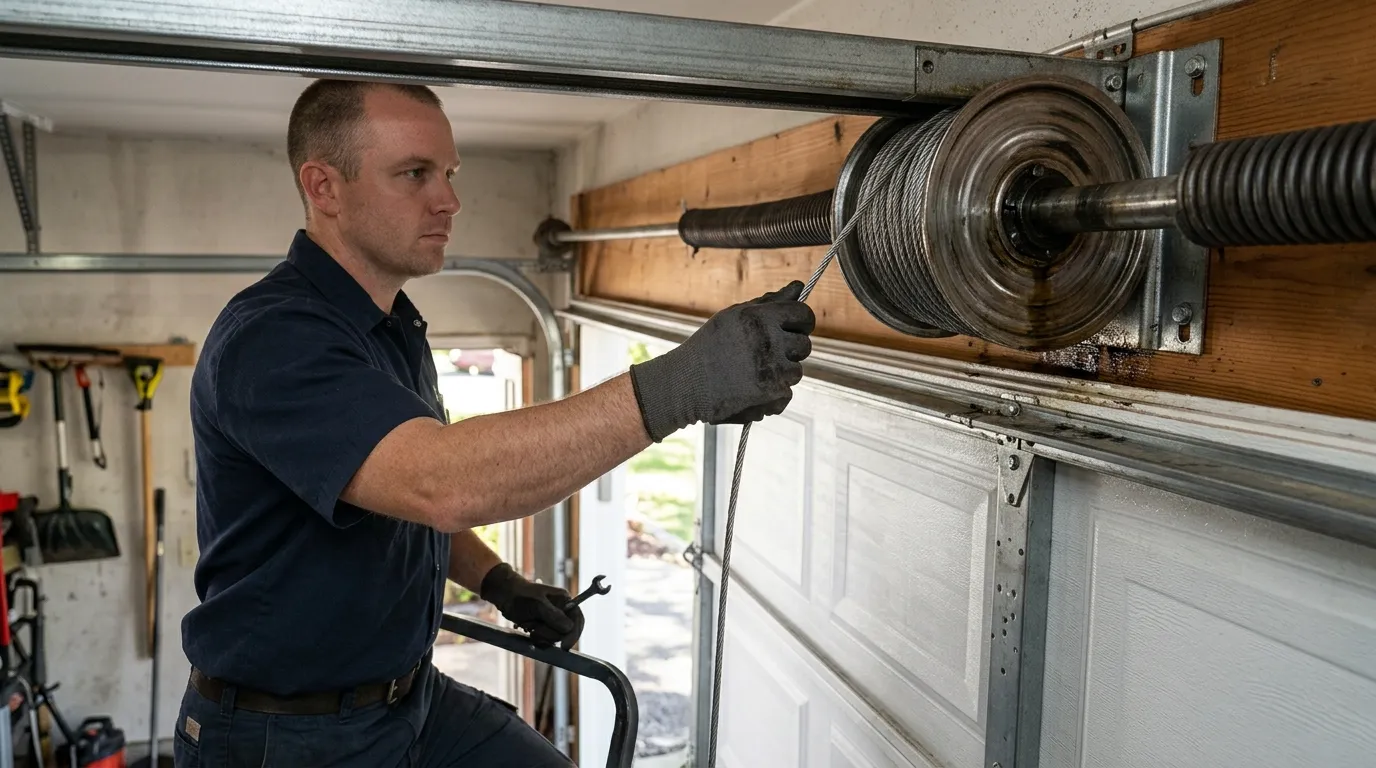
What we don't recommend doing yourself is anything involving the torsion spring itself. A wound torsion spring on a standard double door carries enough stored force to break a bone or worse if the winding bars slip, and that risk doesn't change because the house is newer. Cable replacement carries similar risk, since the cable is under load the moment the door is off the ground.
A reasonable middle ground: if the door is hard to lift by hand, slams down instead of lowering smoothly, or the opener strains and reverses without an obstruction, stop using the opener and call someone rather than keep forcing it through cycles. Continuing to run a door on a spring that's losing tension is how a simple spring swap turns into a damaged track, a bent panel, or a header assembly repair as well.
Why It Happens Here
The service area sits in a cold-moderate climate band, which means real temperature swings across the year rather than steady heat or steady cold. Steel torsion springs and tracks expand and contract with those swings, and over enough cycles that stress is what fatigues the metal and eventually snaps a spring or loosens a track bracket.
Because Potosi's housing stock is newer than most of the wider Abilene area - a 2003 median build year against a 1973 median across the service area - the failure pattern here leans toward torsion spring fatigue and opener circuit-board wear rather than the older extension-spring snapping and warped wood-panel problems more common on Abilene's older blocks. Newer doors also tend to be better insulated and heavier, which puts more strain on the spring system as it ages compared to a lighter, older door.
None of this is Potosi-specific bad luck - it's just what happens to steel and plastic parts over two to three decades of temperature cycling. The houses here are simply far enough along that generation of parts to start showing it.
Parts We Carry
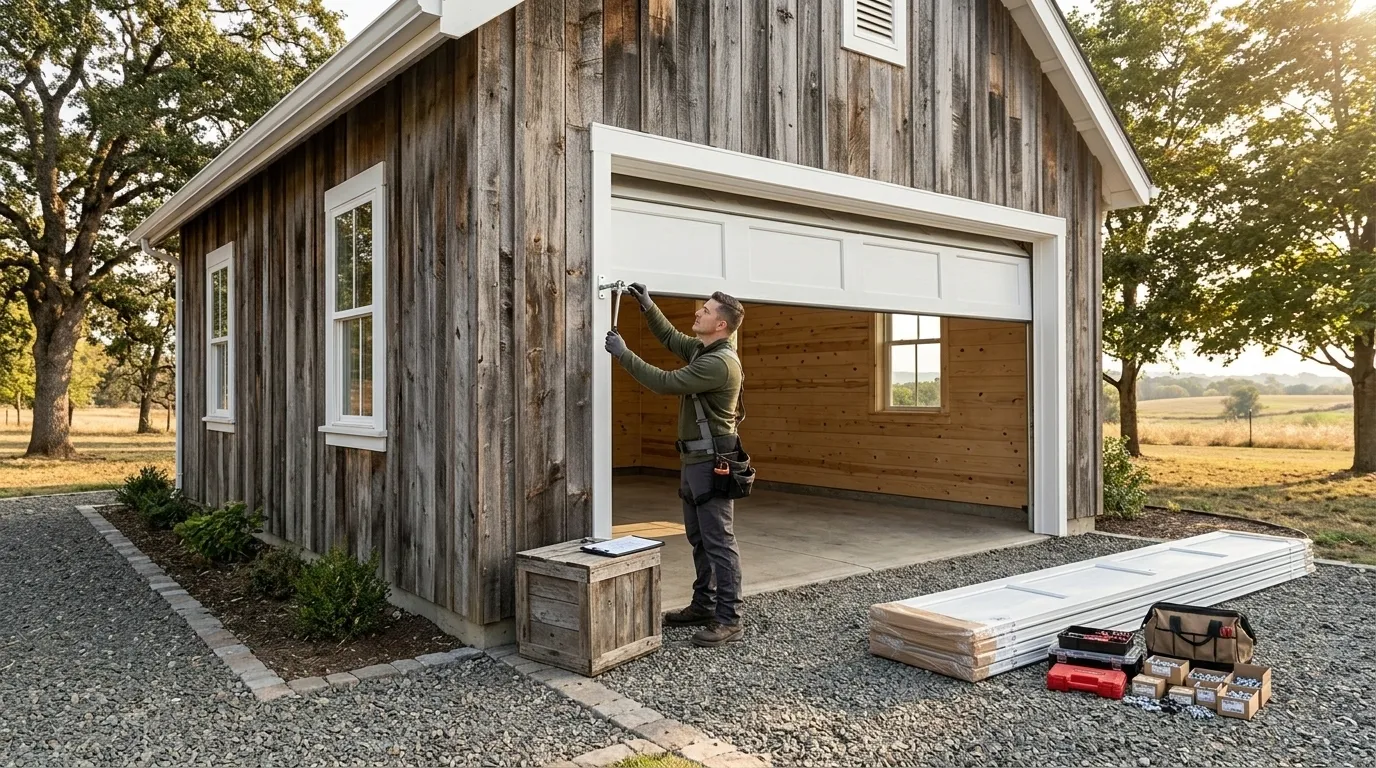
For doors in the Potosi build era, the truck carries steel torsion springs in common residential sizes, ball-bearing and nylon rollers to replace the older plastic ones, galvanized lift cables, and photo-eye sensor kits - the parts that fail most on a house built in the early 2000s cold-climate stock.
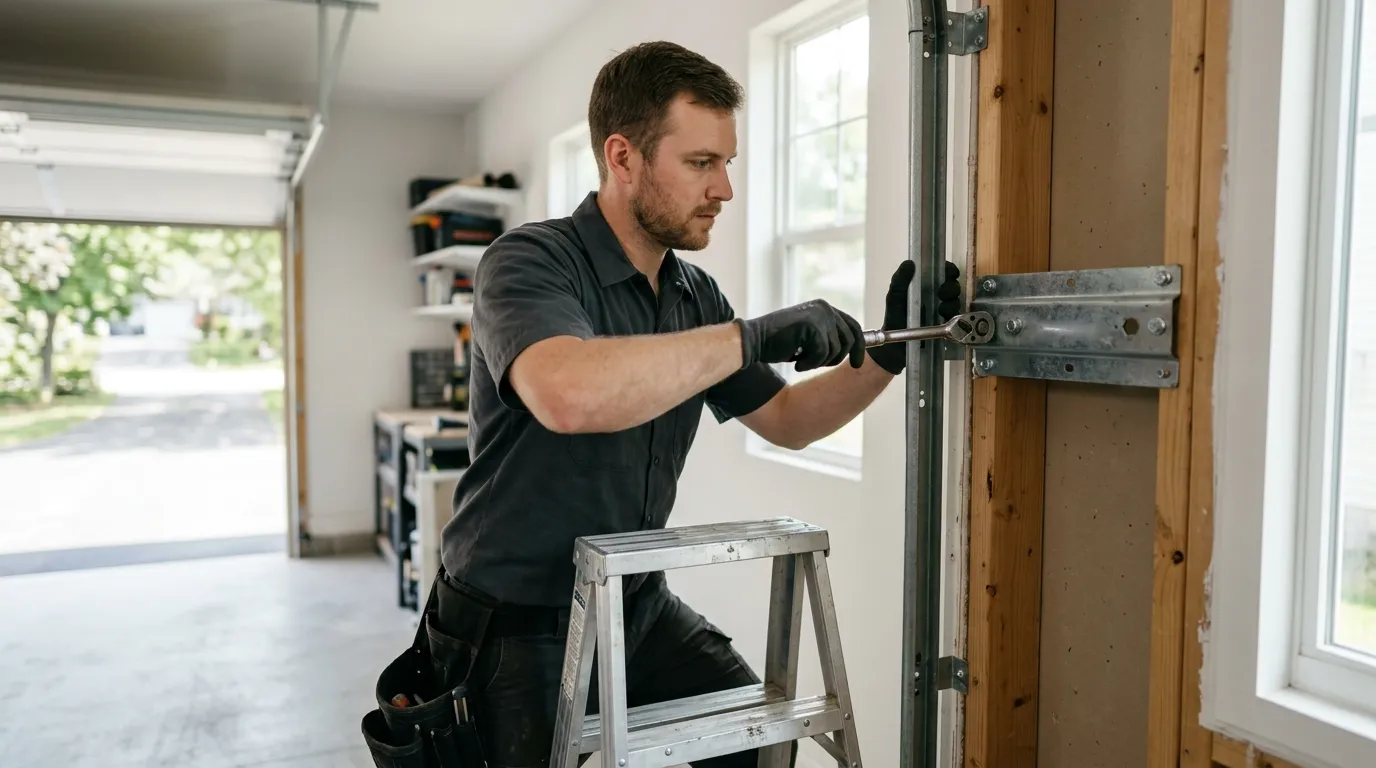
We also carry opener logic boards and standard belt and chain-drive replacement units, since a circuit-board failure on a twenty-year-old opener is now as common a call as a spring snap. For insulated sectional doors, we keep standard panel hardware - hinges, end bearing plates, and center bearings - on hand for the sizes most common on newer builds.
What we don't stock is anything specific to a discontinued builder-grade line; if your door or opener was installed as part of a custom or now-discontinued builder package, that part gets special-ordered rather than pulled same-day. We'll confirm what's on the truck before we quote the job so there's no guessing once we're at your house.