What It Costs
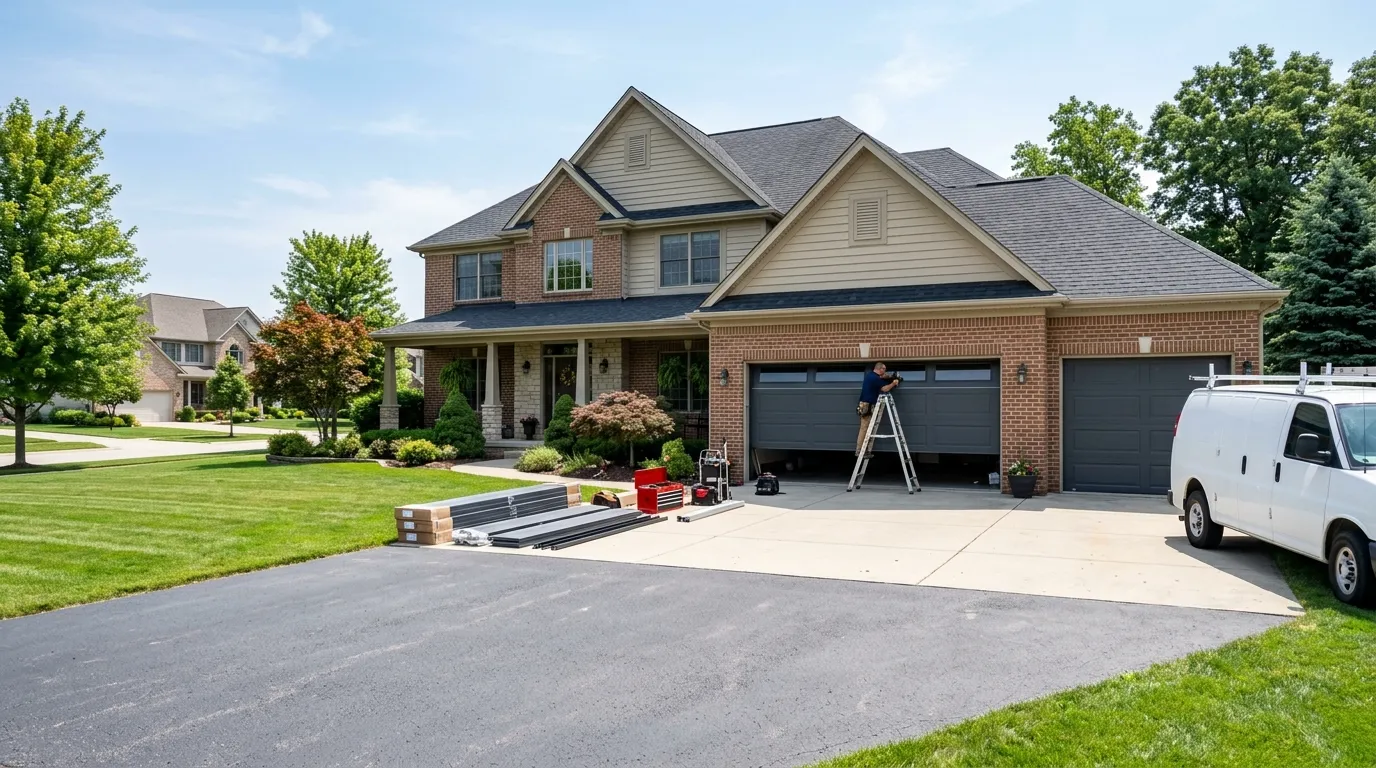
We're not going to post a number here that changes by the week depending on what opener you pick and whether your existing wiring and header bracket are usable, but there's one thing worth knowing before you call: Potosi sits nine miles from our shop in Abilene, and that drive is part of any job we quote, not an add-on surprise. Because most houses out here were built around 2003 - a good thirty years newer than the older pockets closer to Abilene - the wiring, the header clearance, and the bracket setup are usually straightforward builder-grade work, which keeps labor simpler than it would be on an older door with non-standard framing. What moves the price is the opener itself: belt drive versus chain drive, battery backup or not, and whether the old unit's rail and trolley can be reused. We'll look at what's already there before we quote anything, because half the cost on these newer homes is often just swapping the head unit and keeping the rest.
Can You Do This Yourself
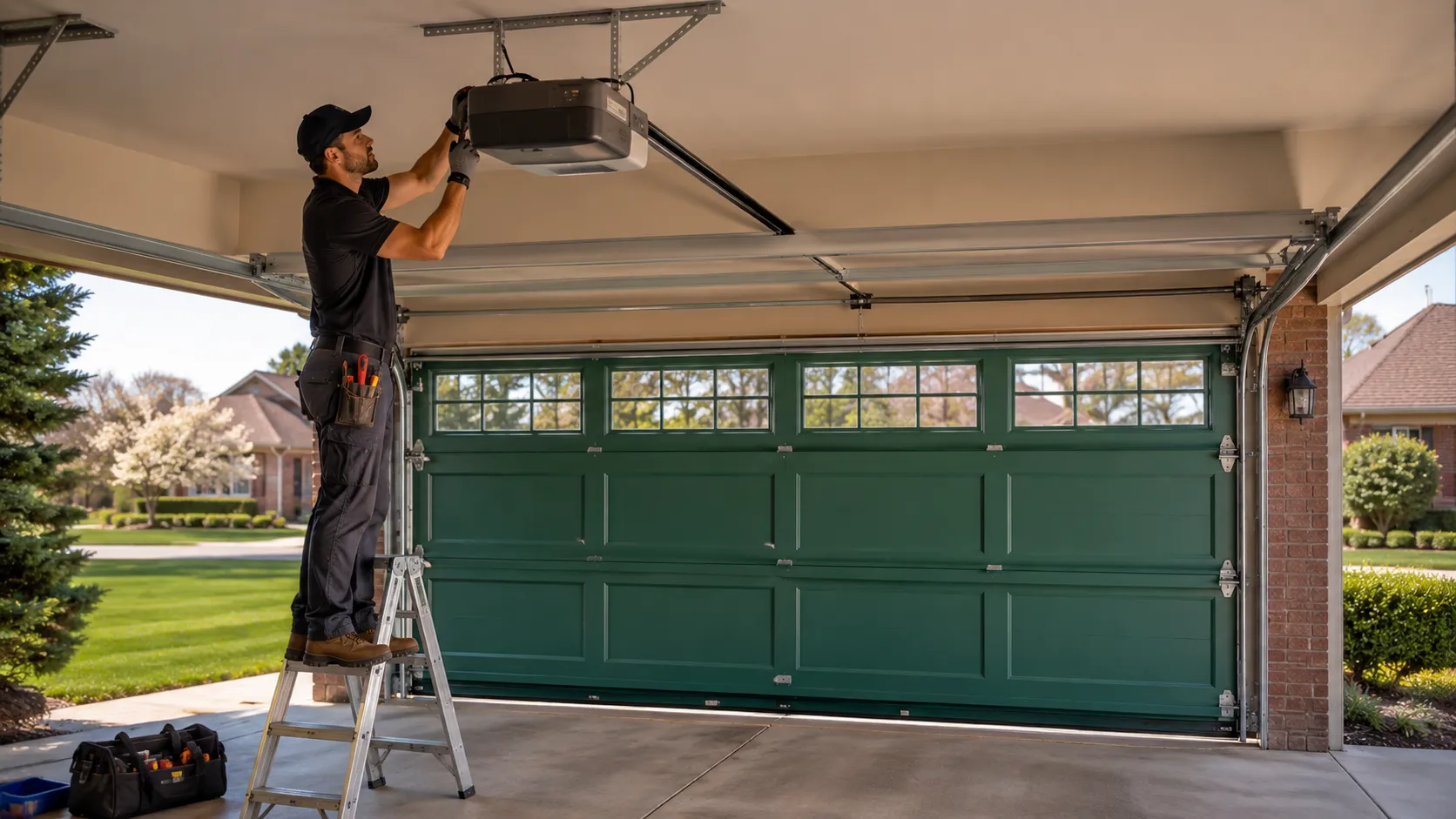
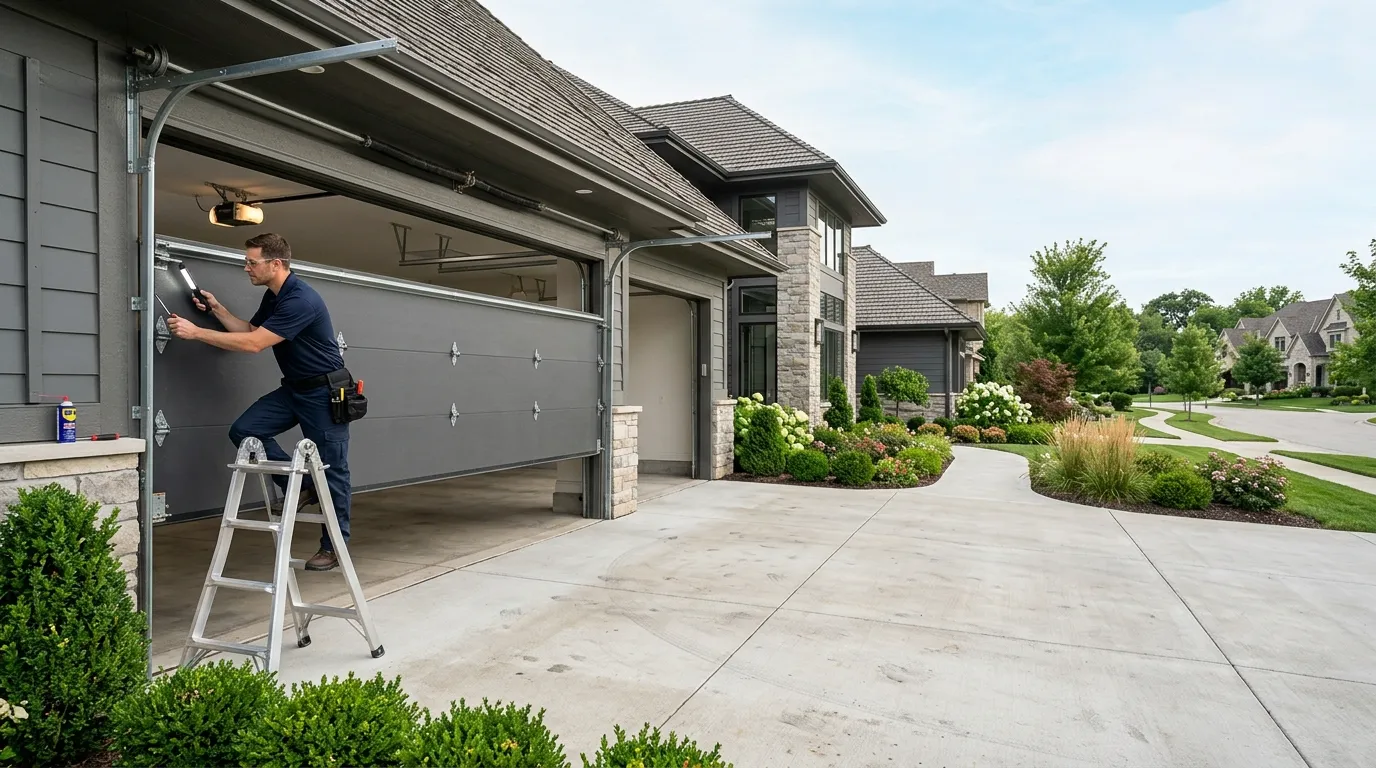
A straightforward swap - new head unit on an existing rail, standard header height, nothing structural to fix - is within reach for someone comfortable with a ladder and a drill, and Potosi's newer builds tend to have that kind of straightforward setup. Where it gets past a weekend project: safety sensor alignment, travel limit adjustment on a door with a specific spring tension, or any wiring that runs through a finished garage ceiling instead of open joists. We'll say plainly that we don't talk anyone through a DIY install over the phone - liability and time don't line up for that, and a poorly set travel limit is a door that can come down on a car or a kid's bike. If you get partway in and the opener won't hold its setting, or the wall console won't pair, that's usually the point to stop and call rather than keep guessing.
Why It Happens Here
The service area sits in a cold-moderate climate band, and that matters for openers less than for doors, but it's still a factor: cold snaps make bearings and gear-drive units stiffen up, and that's often when a motor already near the end of its life finally quits instead of limping along. Potosi's own housing is newer than most of the wider Abilene service area - median build year 2003 against a broader mix that's mostly 1960s and 70s stock - so the failure here tends to be plain wear on original equipment rather than the mismatched, retrofitted hardware you find on an older door that's had two or three openers bolted on over the decades. Median household income out here runs well above the service area's overall figure of $63,683, and we mention that only because it usually means folks replace rather than patch - a full opener swap instead of nursing a dying gear along for another winter.
Parts We Carry
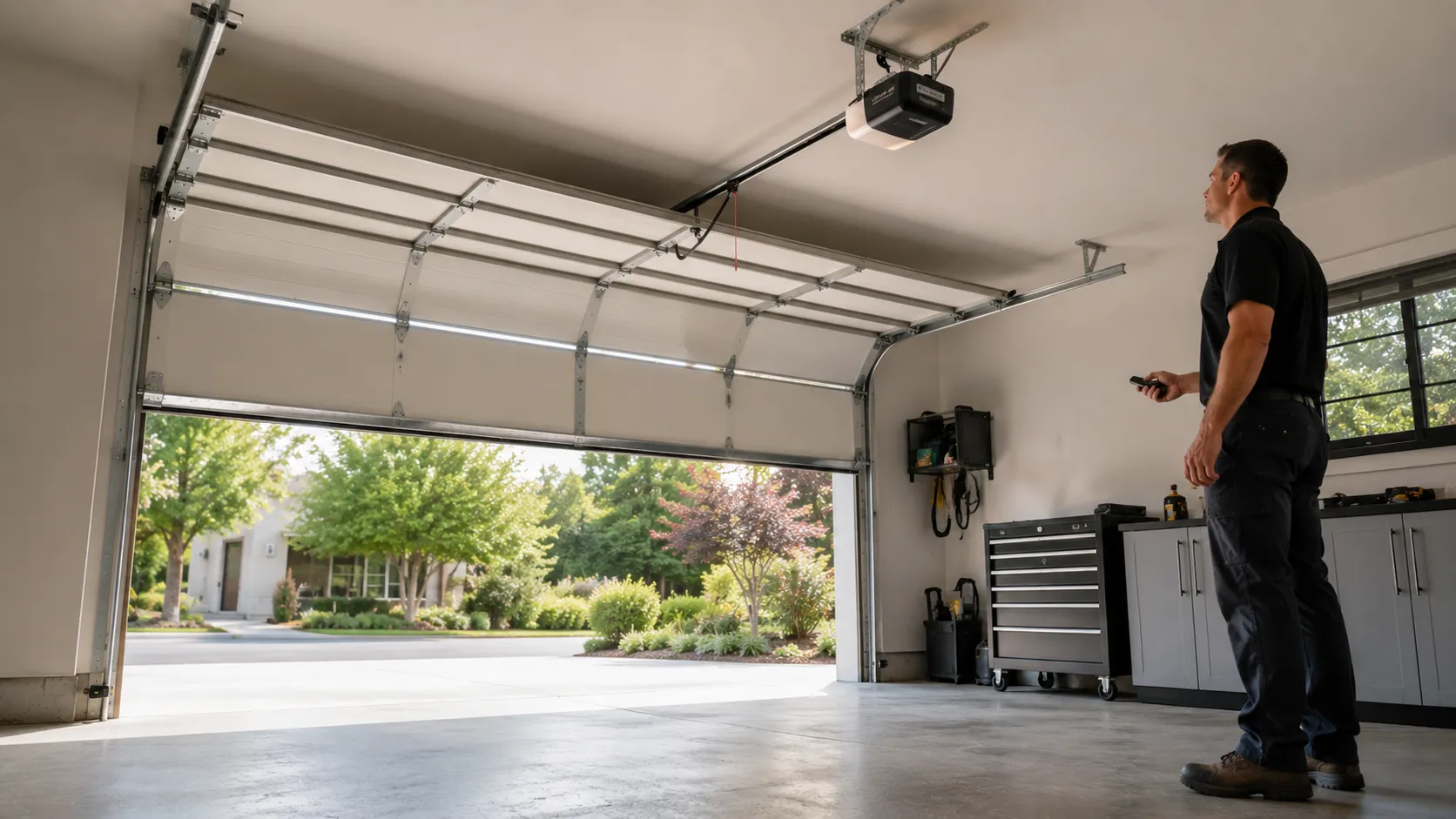
For openers we stock the standard belt and chain drive head units that cover most of what's failing on 2000s-era garage doors - the wall consoles, safety sensor pairs, and remotes that match. What we don't keep on hand is every legacy console or sensor pair for opener lines that have been discontinued for years; on a house built in 2003 that's rarely an issue, since most of what's out there still has current-generation parts, but it's worth knowing before you call expecting an exact match for something twenty-plus years old. We bring what a typical newer-build swap needs on the truck for the drive out from Abilene, and if your job needs something outside that, we'll say so up front rather than have you wait on-site while we figure it out.