Booking a Visit
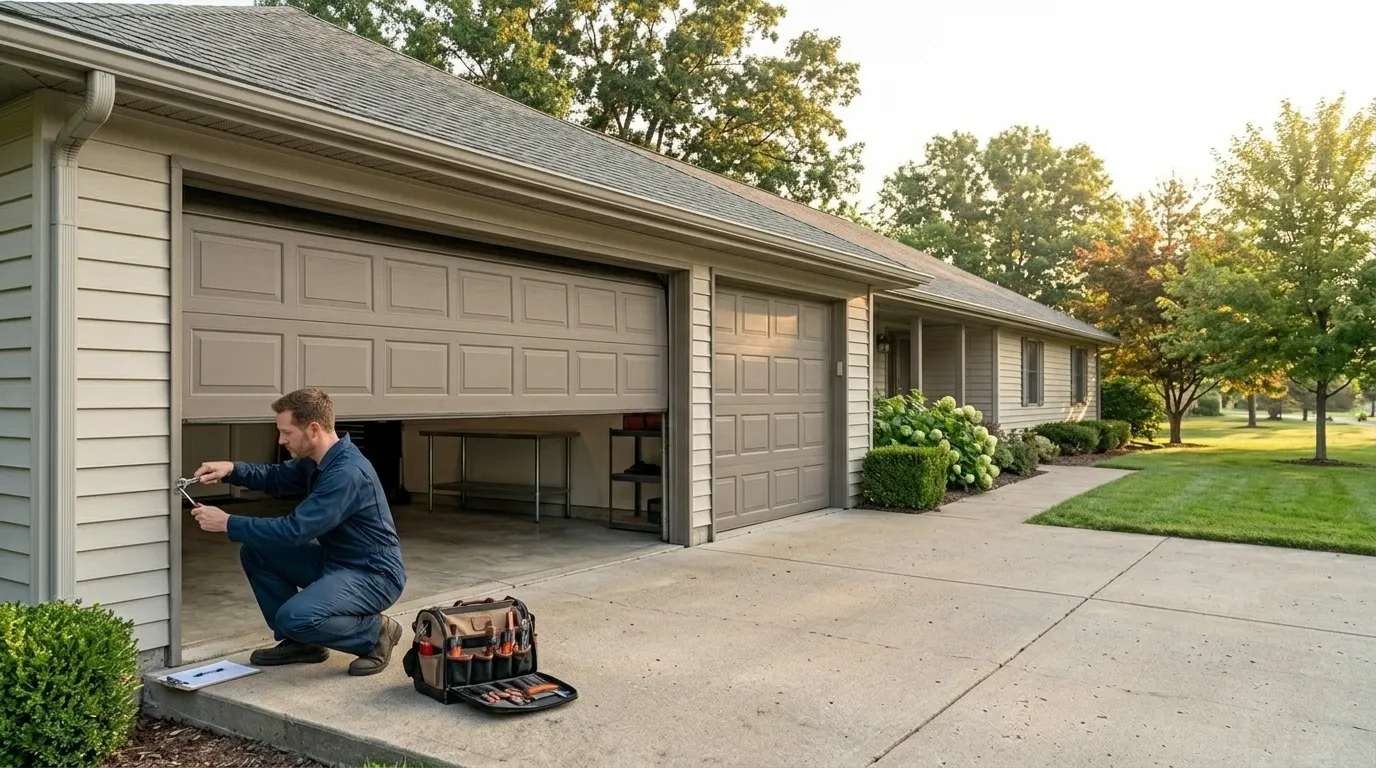
Merkel sits 16 miles out from Abilene, so a visit here gets scheduled as a trip, not a drop-in. We come out, measure the opening, walk the track and header, and quote the door and opener together before anything gets ordered. Because we're traveling from Abilene, we don't keep a Merkel-specific inventory sitting idle - the door you pick gets ordered once we've confirmed the rough opening, which on a lot of these houses isn't the same as what a big-box sizing chart assumes.
We don't promise a same-day swap on this trip. Parts lead time on a new door and opener runs longer than a repair call, and we'd rather tell you that up front than have you waiting on a truck that isn't coming. If you want the broader rundown of what we install and service out of Abilene, that's covered on our main installation page - this one is about what actually happens once we're standing in your driveway in Merkel.
What the Fix Involves
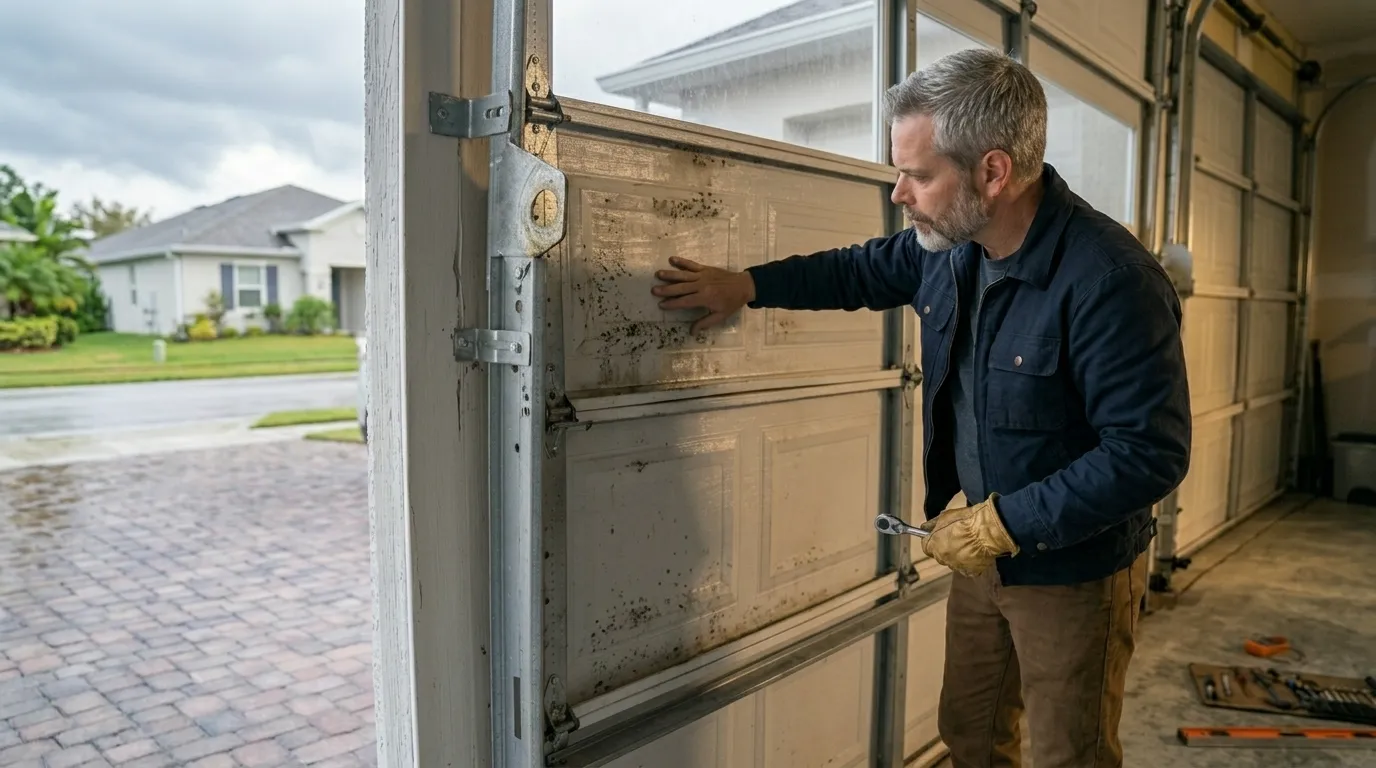
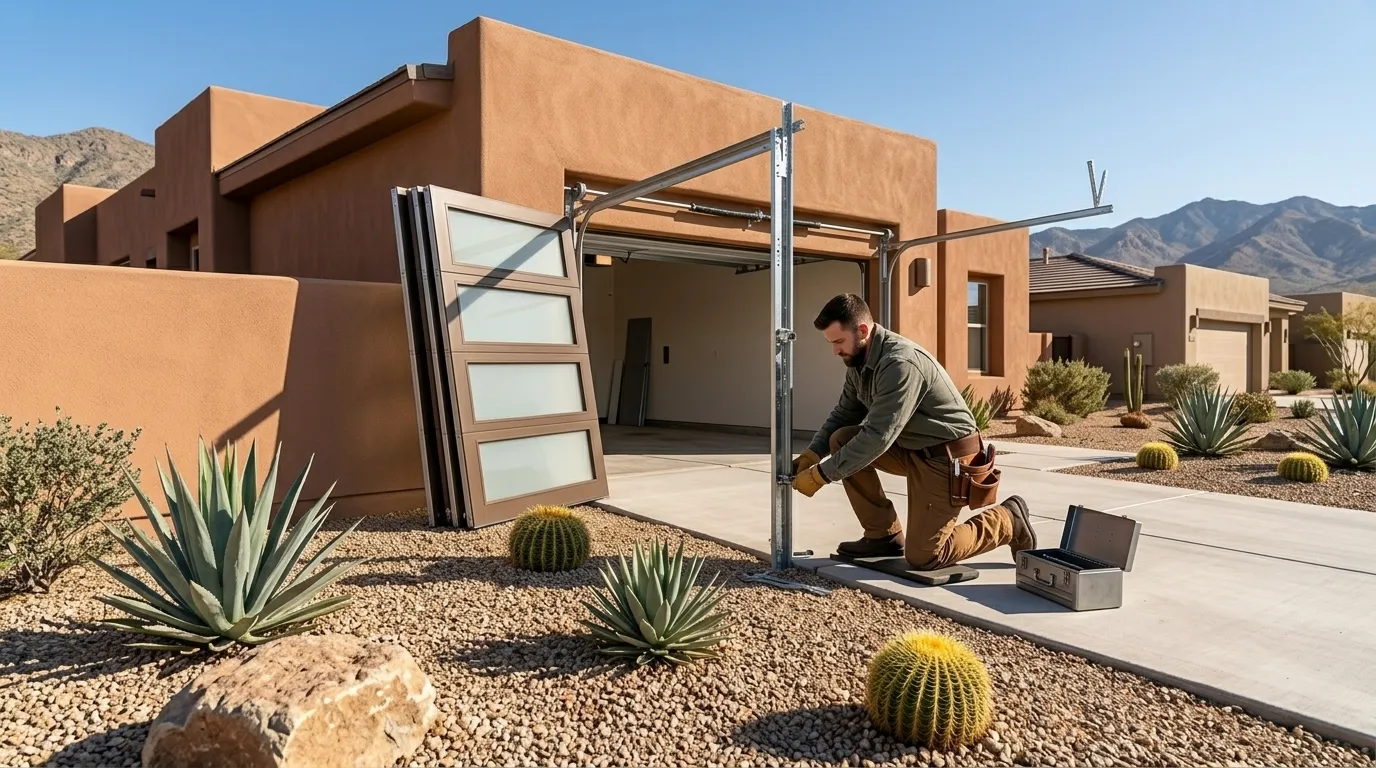
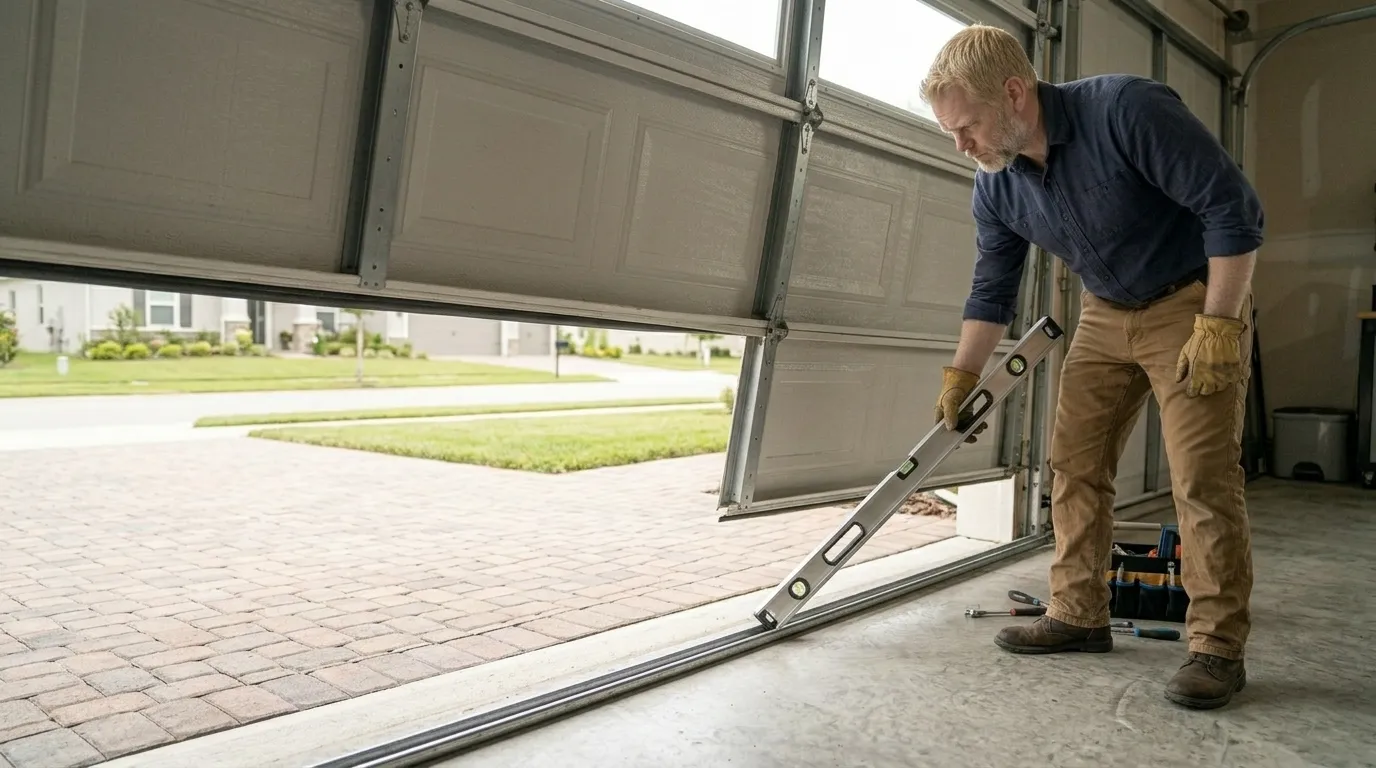
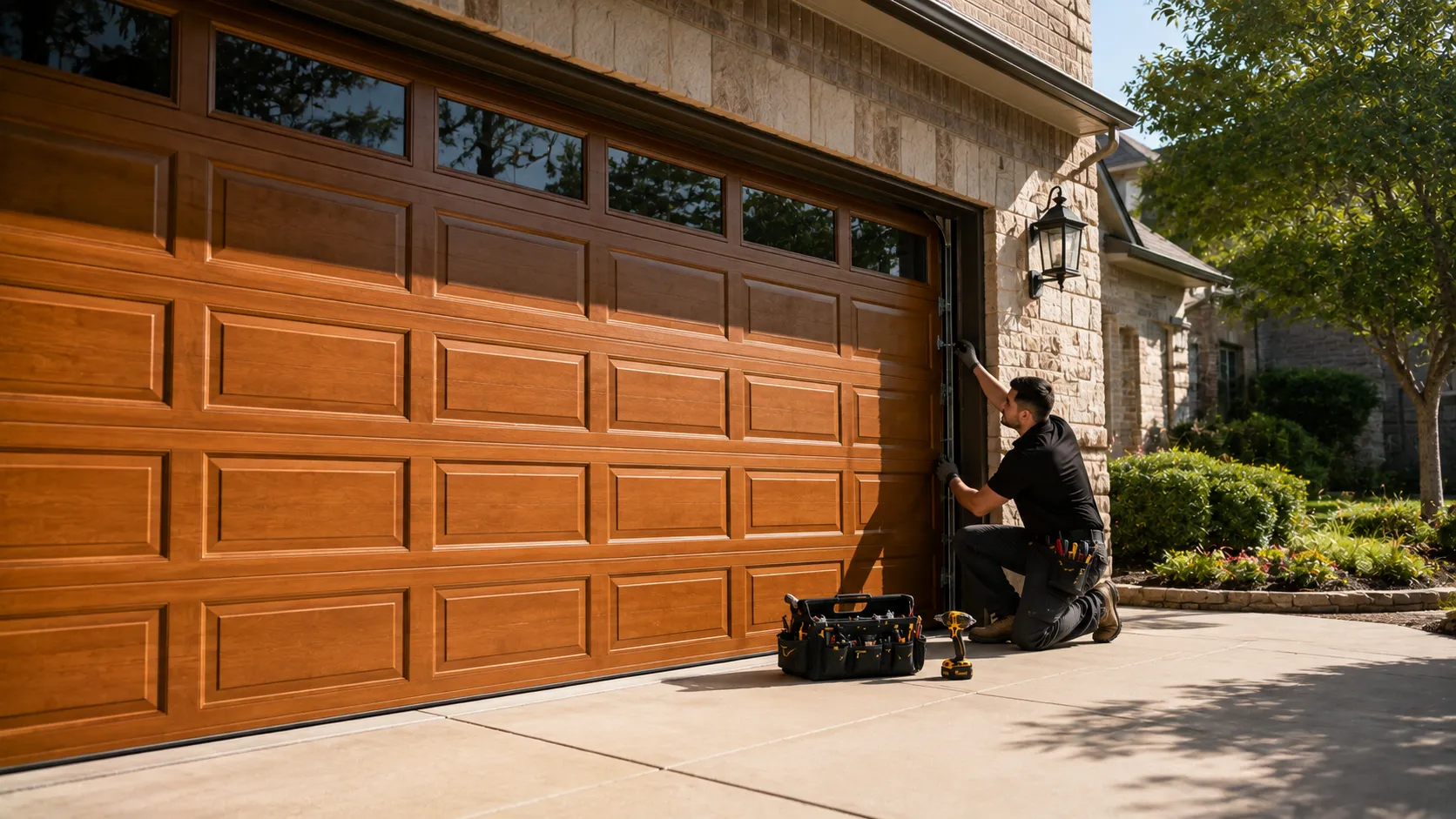
On a house from this era, the install starts with the frame, not the door. We check the jambs for square and plumb, shim or rebuild where the wood has shifted, and confirm the header can carry the weight of an insulated steel door versus whatever thin panel is coming down. Skip that step and you get a new door that binds on one side within a year - a callback we'd rather avoid than collect.
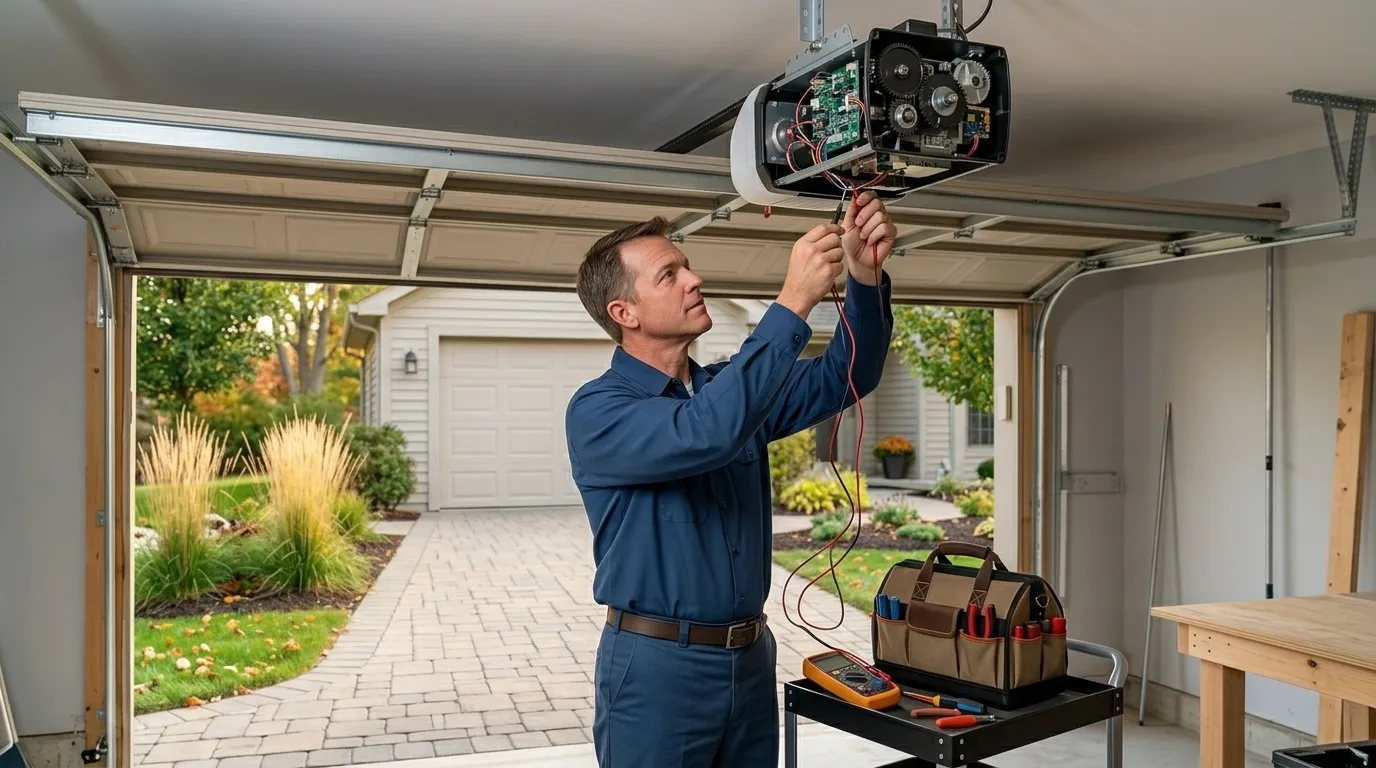
Once the opening's square, we set new track, a torsion spring sized to the actual door weight (not the old one), and an opener rated for the door you're putting in, not the smaller original. On a median income of $62,368 in Merkel, we try to spec hardware that matches what the house needs rather than upselling features nobody asked for - a basic steel door with a properly sized spring outlasts a fancier door hung on bad track.
How It Shows Up
Most calls start the same way: the new door doesn't sit flush, or it's dragging on one track after a week of use. On these older Merkel openings, that's almost always the frame settling, not a defect in the door itself. Homeowners also notice the old opener straining before the door ever comes down - a motor sized for a lightweight original panel doesn't have the torque for a modern insulated door, and it'll burn out trying.
Another pattern: a door that measures fine on paper but won't seal at the bottom because the slab underneath has settled unevenly, which is common enough in a house built around 1963 that we check for it before we quote the job, not after.