Parts We Carry
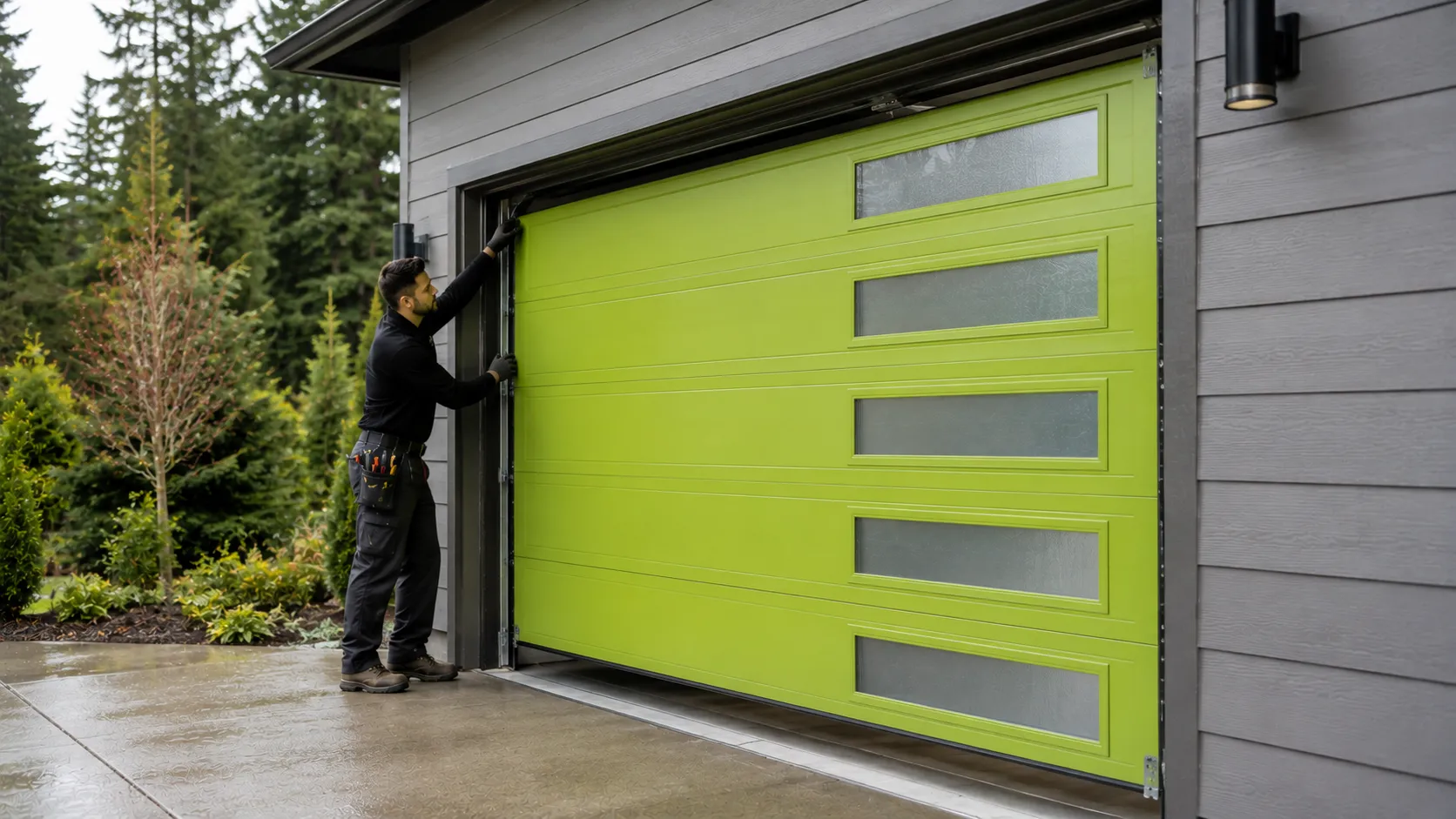
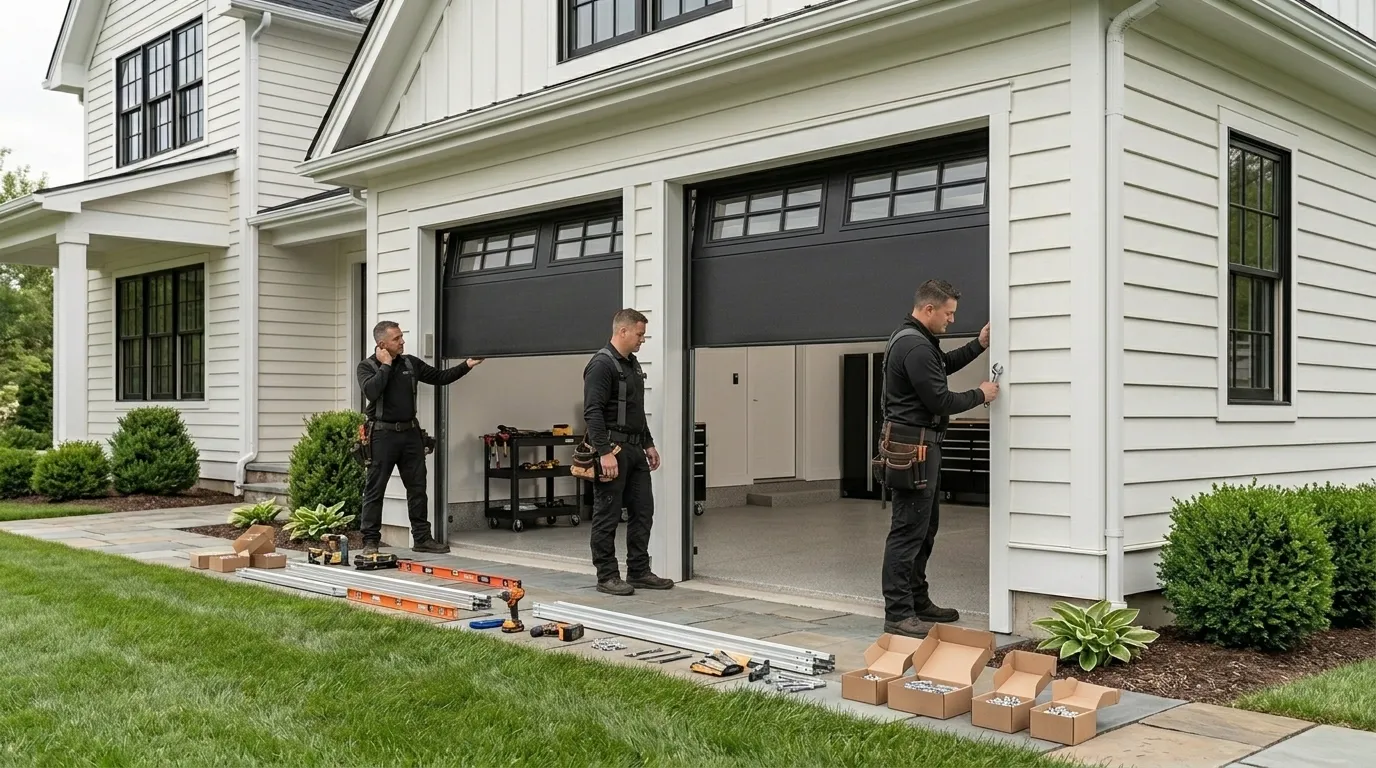
Clyde is 14 miles out from Abilene, and that distance changes how a repair call actually works here. We don't stock a second set of parts in town, so the truck that comes out has to be loaded right the first time, based on what you tell us about the door and what we know about the housing stock in this pocket of the service area. Most Clyde homes went up around 1972, which puts them squarely in the older half of the region's housing - built between 1963 and 2003 across the wider area, with this side leaning toward the early end of that range. That means a lot of original torsion springs on steel sectional doors, some extension-spring setups on older single-car doors, and openers that have already been replaced once or twice by the time we get the call. We carry torsion springs in the sizes that match doors from this era, standard-lift cable, and steel rollers, because those are the parts that fail most on houses this age. What we don't do is guess and drive back a second time for the right spring - if the info given on the phone doesn't match what's actually on the door, we adjust before we leave the shop, not after we've made the drive.
Why It Happens Here
Clyde runs cold-moderate winters like the rest of this part of Texas, and that matters more on older hardware. A torsion spring that's been flexing the same amount for fifty years loses tension gradually, and a hard cold snap is often what finally snaps a spring that was already close to failing. On a newer door with galvanized hardware this matters less. On the steel doors and older springs common in Clyde's 1972-median housing, the temperature swing is often the last straw on a part that was already worn thin. With 1,283 households in Clyde, compared to 4,455 across the whole service area, this is a smaller pocket of that older stock - but it's a consistent one, and the failure pattern repeats house to house because the houses themselves went up in the same narrow window of years.
What the Fix Involves
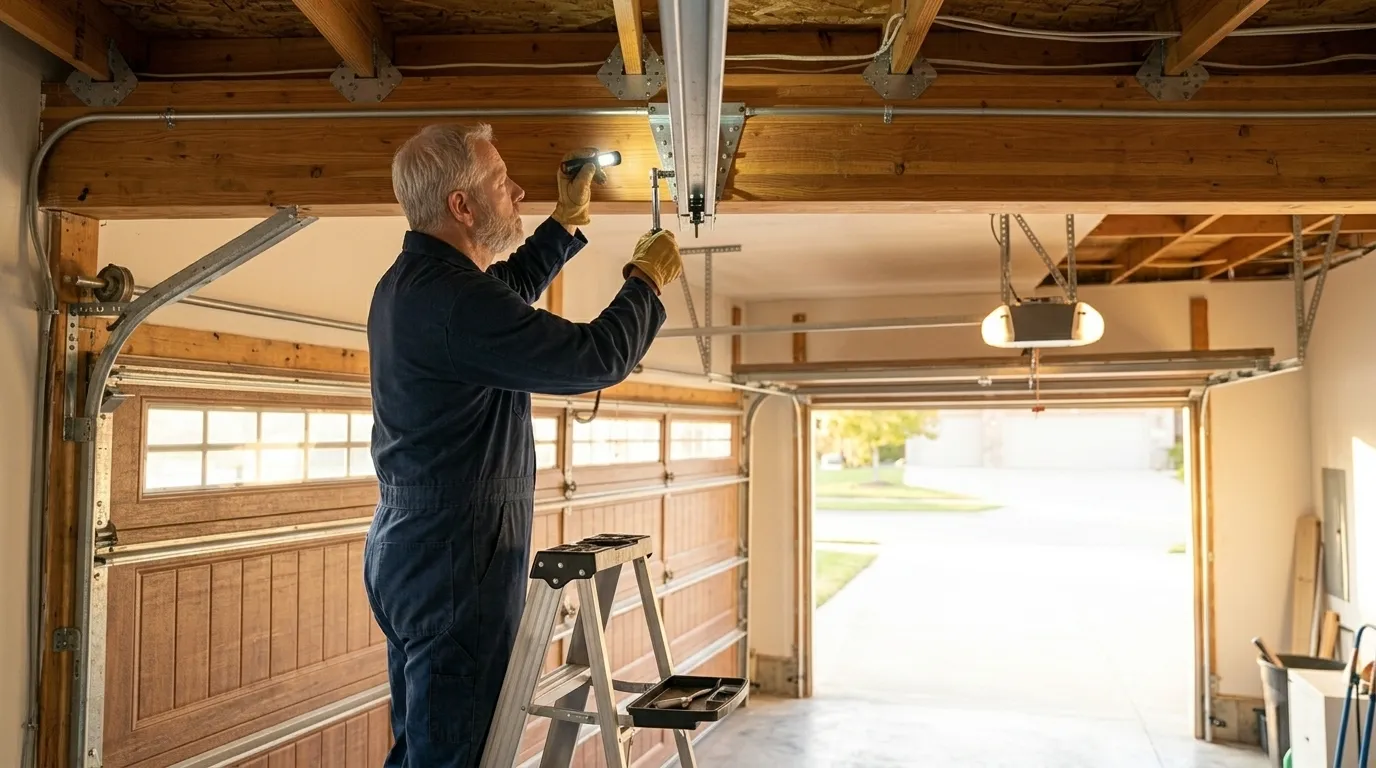
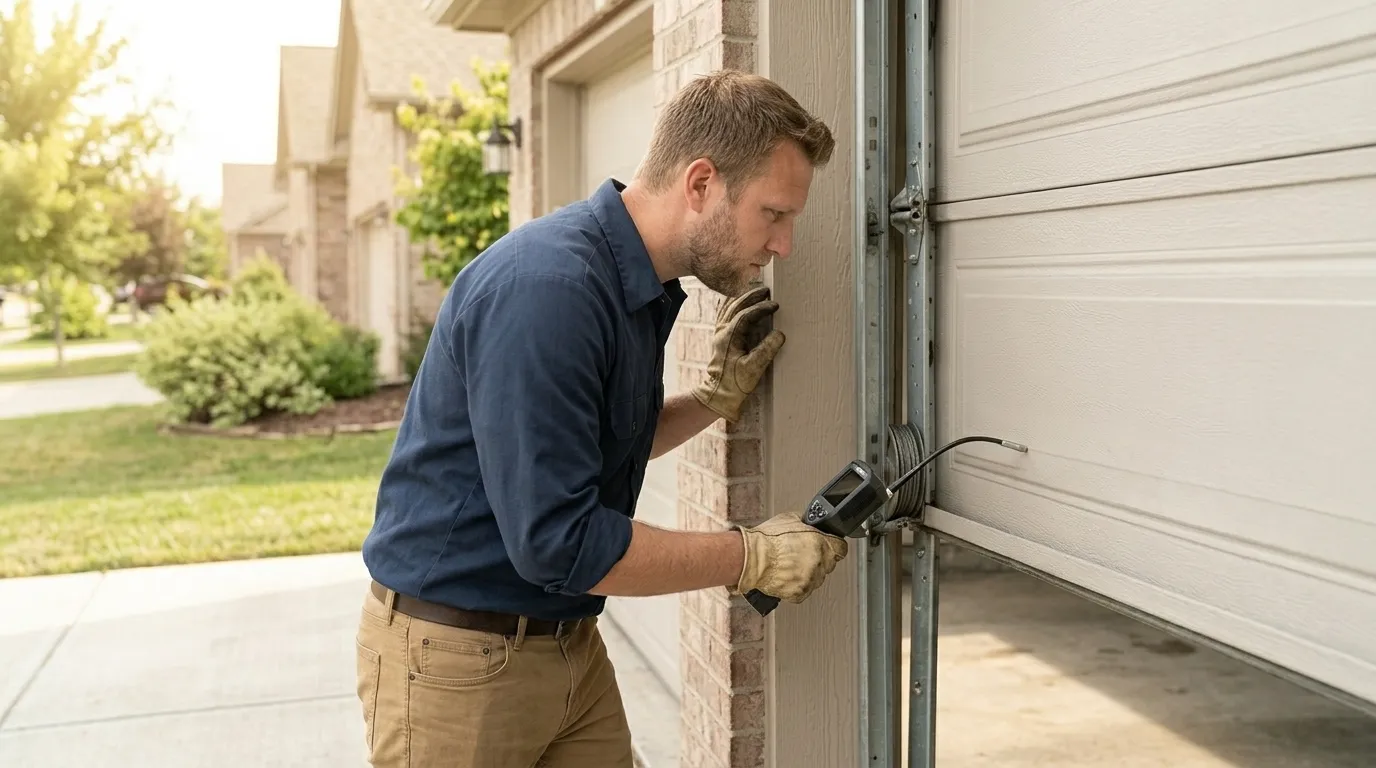
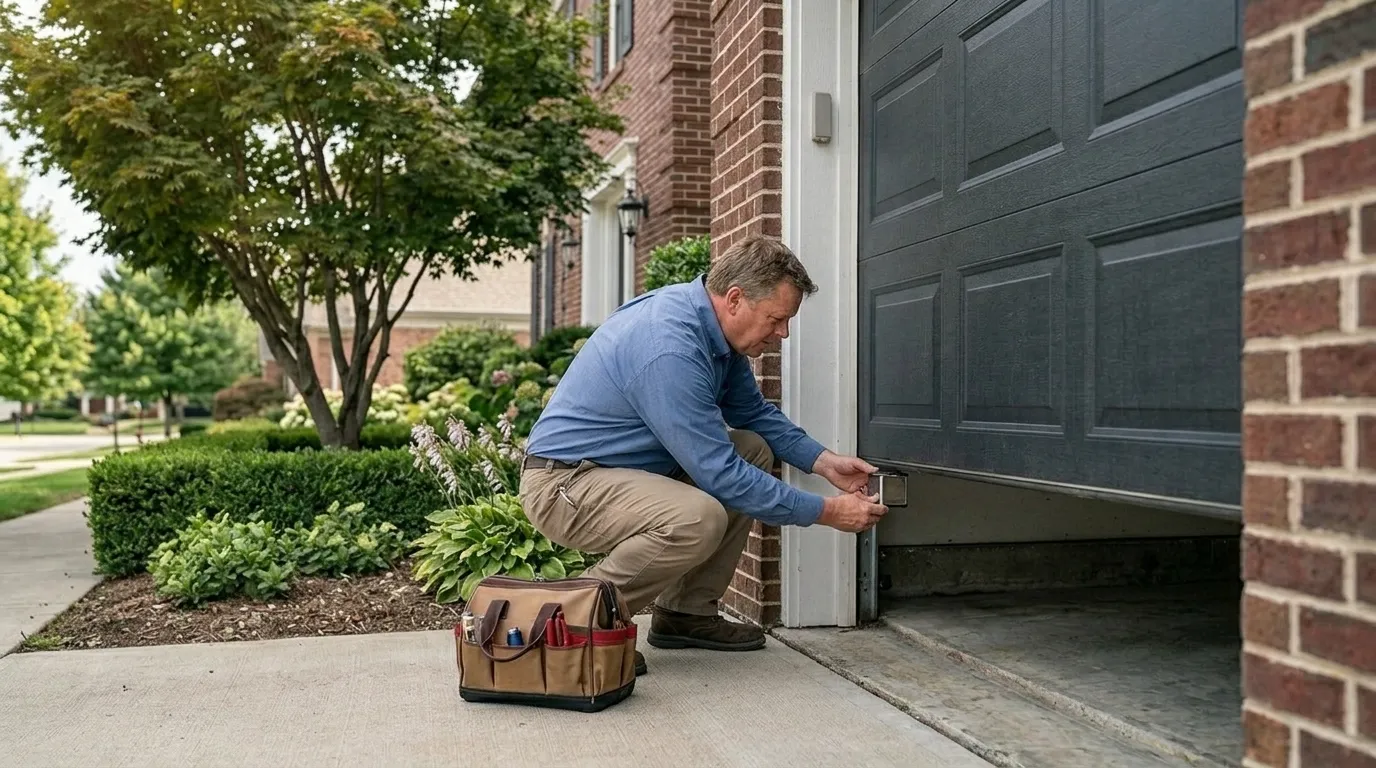
For a broken spring, the fix means matching the wire size and wind to what's actually mounted, not just what's common - on a house this age, that's not always the size stamped on a newer replacement part. For an opener that's quit, we check whether the unit is original or already a replacement before ordering anything, since Clyde homes this age have often had at least one opener swap. A repair is worth doing when the track, hardware, and panels are sound and it's really just the spring, cable, or opener that's failed. Replacement makes more sense when the door itself has racked, the panels are rusted through, or the household income for this area - median $63,616 - makes a full new steel door and opener a better long-run value than patching a door that'll need another part in a year. We'll tell you which situation you're in before we quote anything.