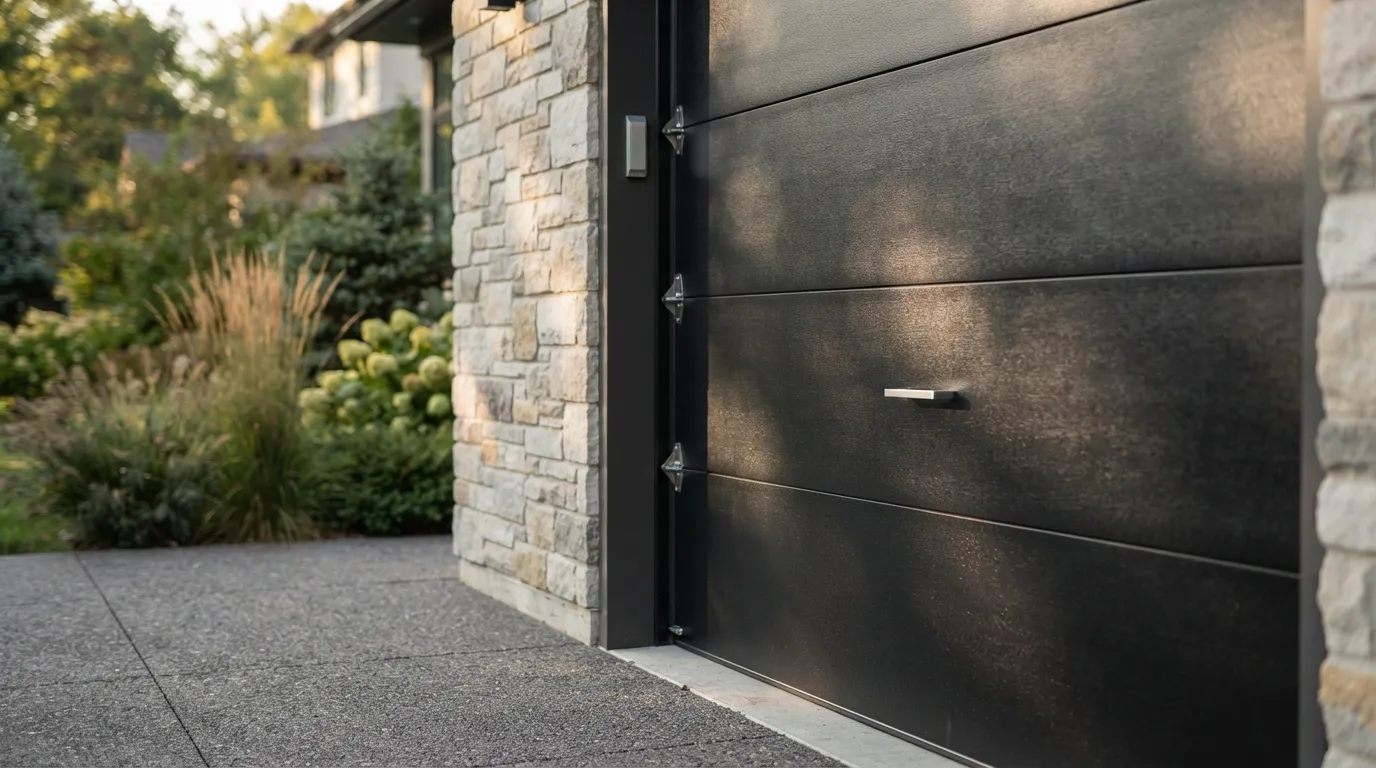
Parts We Carry
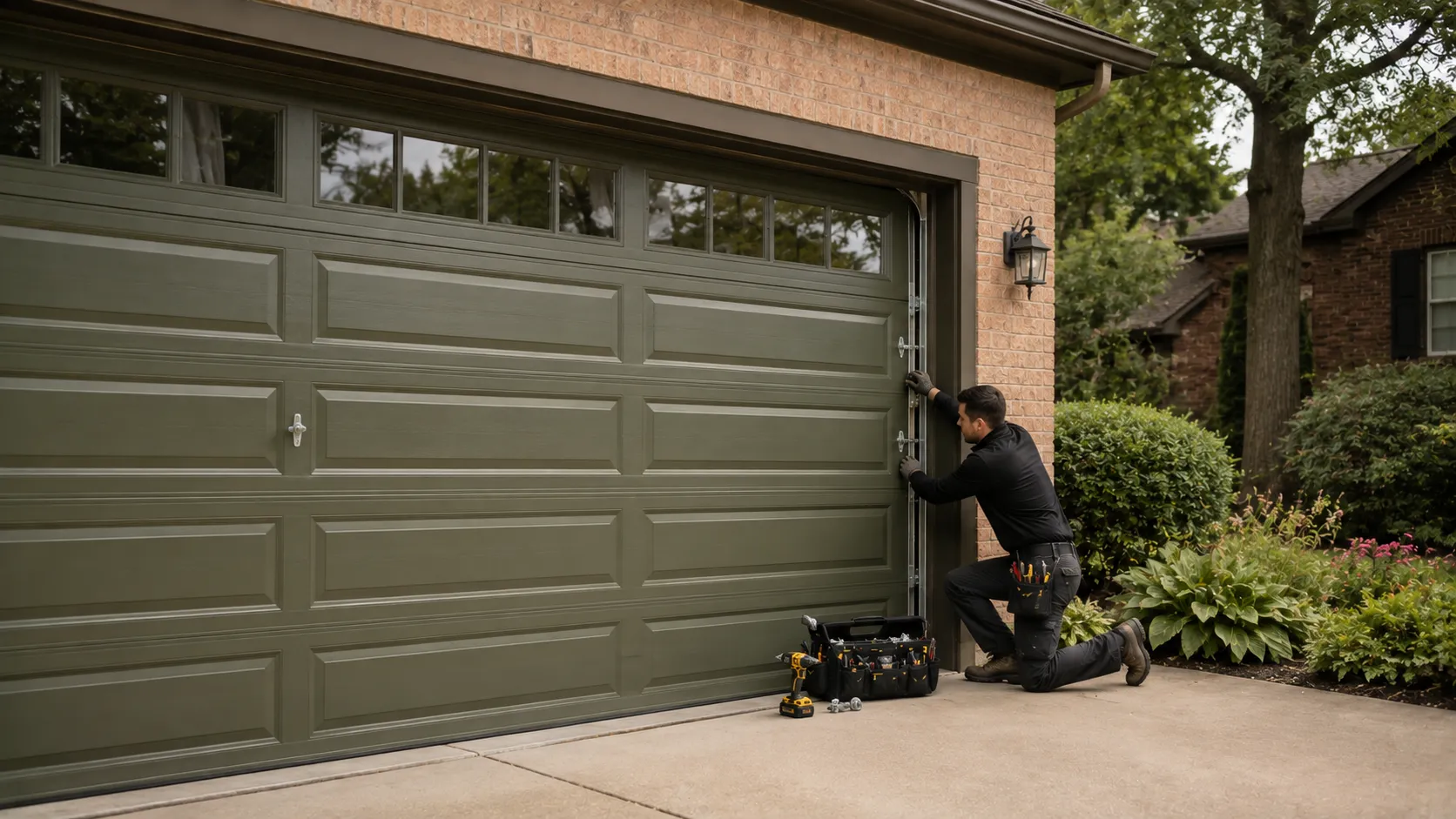
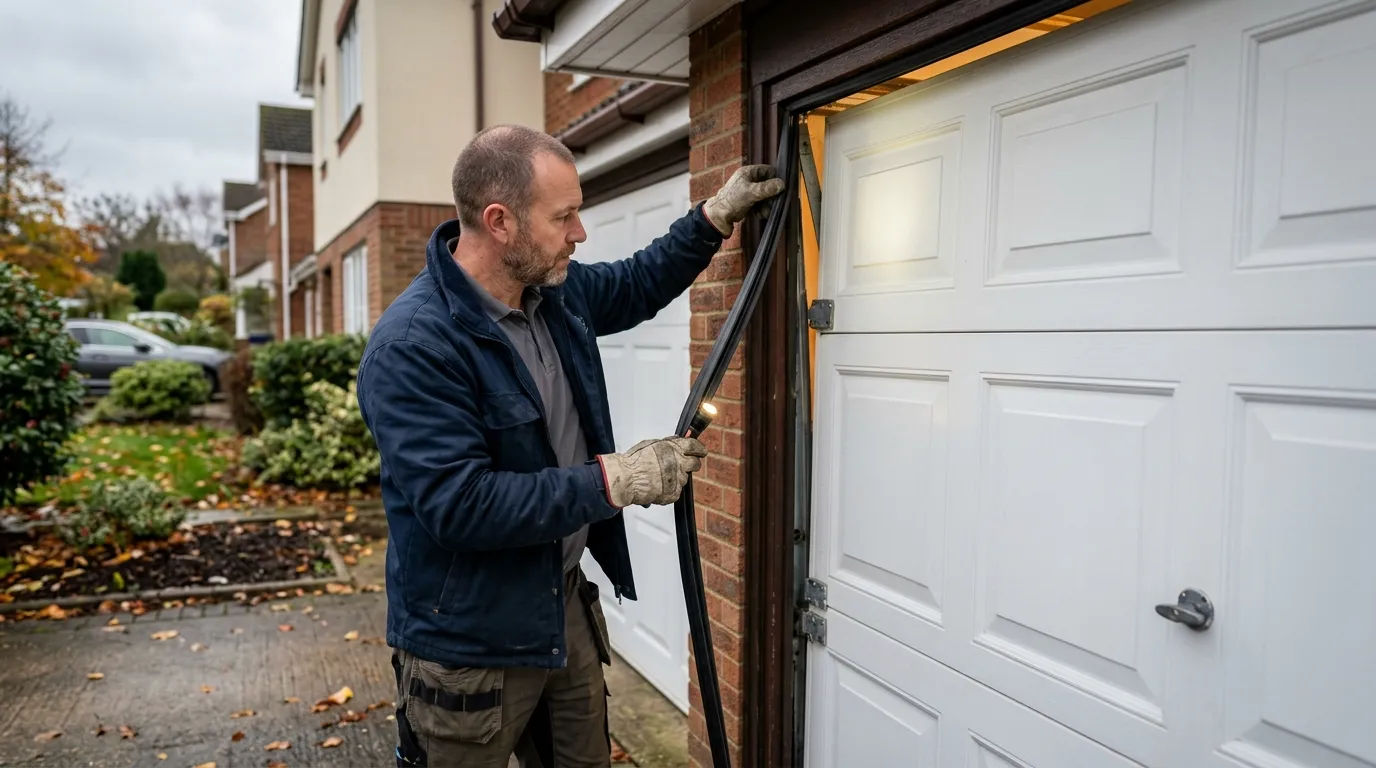
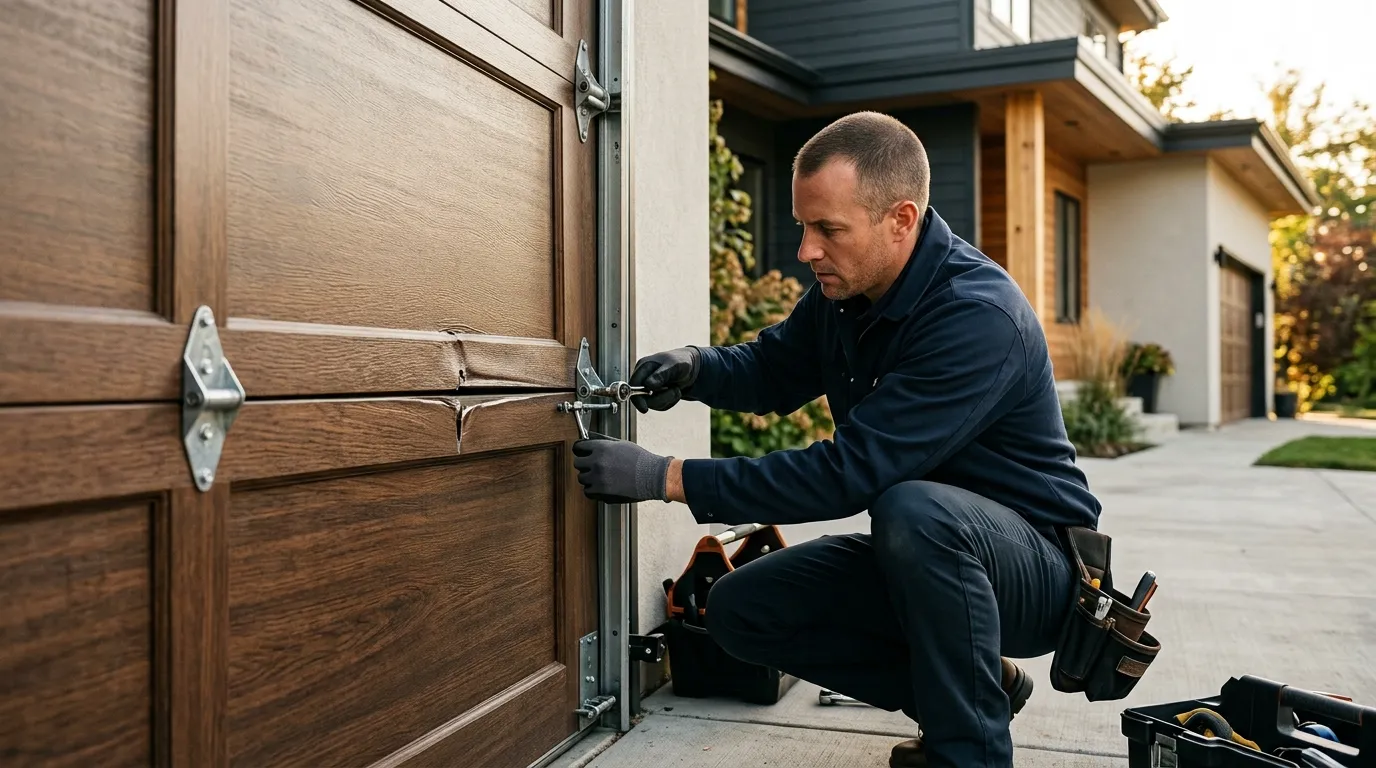
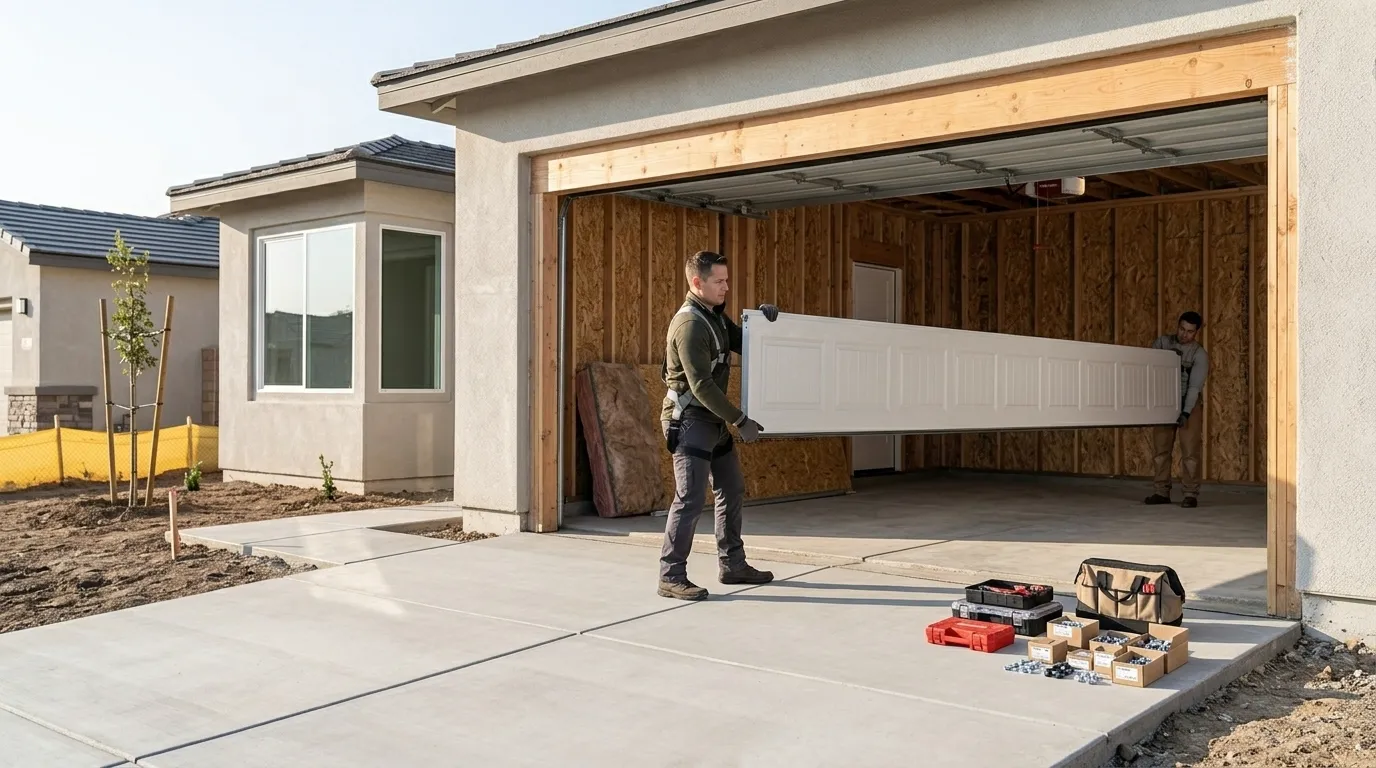
Most houses in Clyde went up around 1972, and a lot of that original track, roller, and hinge hardware has never been swapped out. That's not neglect on the homeowner's part - a door can run for decades before the track finally bends enough to throw the rollers off the rail. We carry standard-width and heavy-gauge track sections, both plastic and steel rollers, and the hinge sets that match the door gauges common to that build era. If your door has ever taken a hit from a car bumper or a basketball, the track usually bows first, and that's the piece we replace most in this stretch of houses. We also stock the roller brackets that tend to rust through on doors that have sat in an unheated garage for fifty-plus years. What we don't carry on the truck: obsolete track profiles from a handful of long-discontinued manufacturers. If your hardware turns out to be one of those, we'll tell you straight rather than force a part that won't seat right, and we'll talk through whether a full track replacement makes more sense than chasing an exact match.
Why It Happens Here
Clyde's housing stock centers on 1972, and across the wider Abilene service area the range runs 1963 to 2003 with a median around 1973 - so a good share of these garages have never had a hardware upgrade since the door went in. Cold-weather swings common to this climate band shrink and expand steel track slightly with the seasons, and over enough winters that cycling loosens the bolts holding the track to the jamb. Add a driveway that isn't perfectly level, which shifts the header alignment by a fraction of an inch over the decades, and the track drifts out of true without anyone noticing until the door finally jumps. With roughly 1,283 households in Clyde and a median income of $63,616, we see a good number of owners choosing to patch the track rather than replace the whole door - a reasonable call as long as the jamb and header are still square.
What the Fix Involves
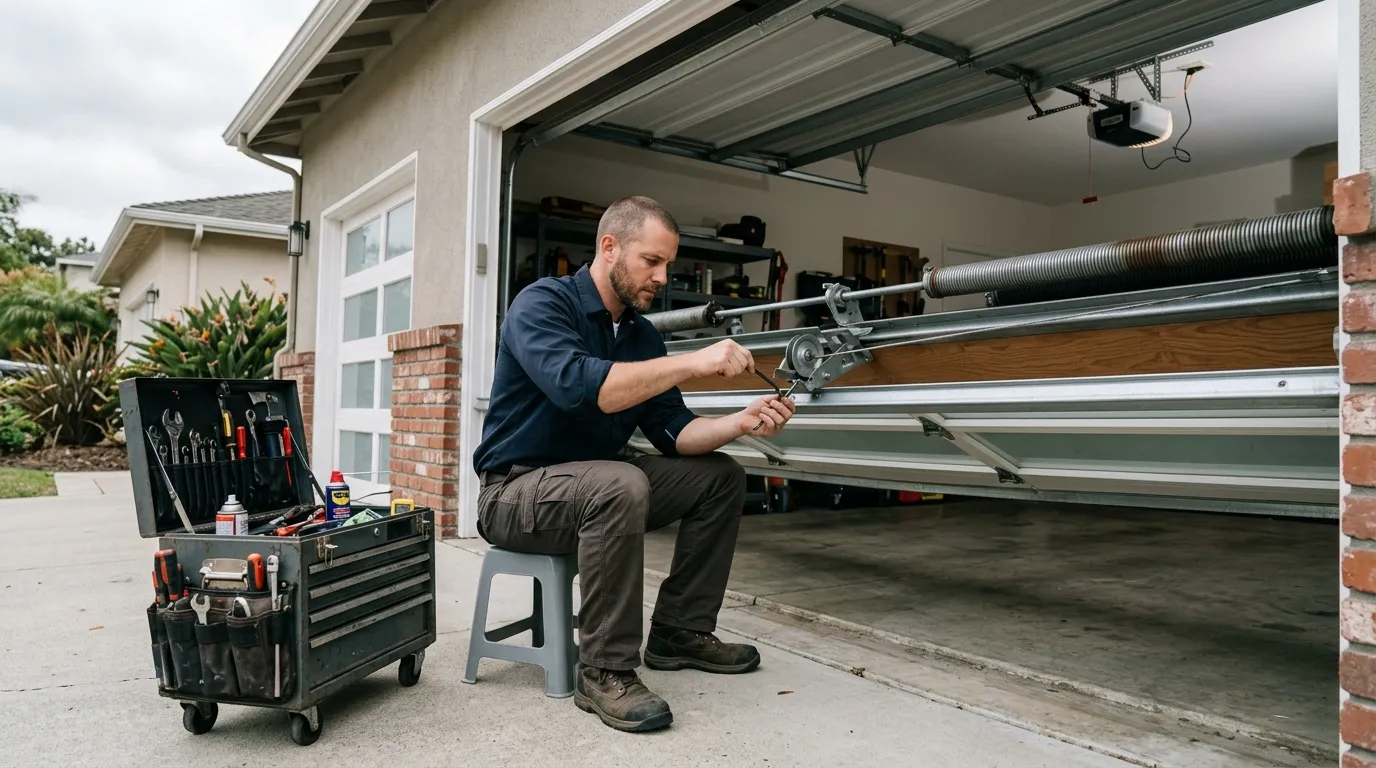
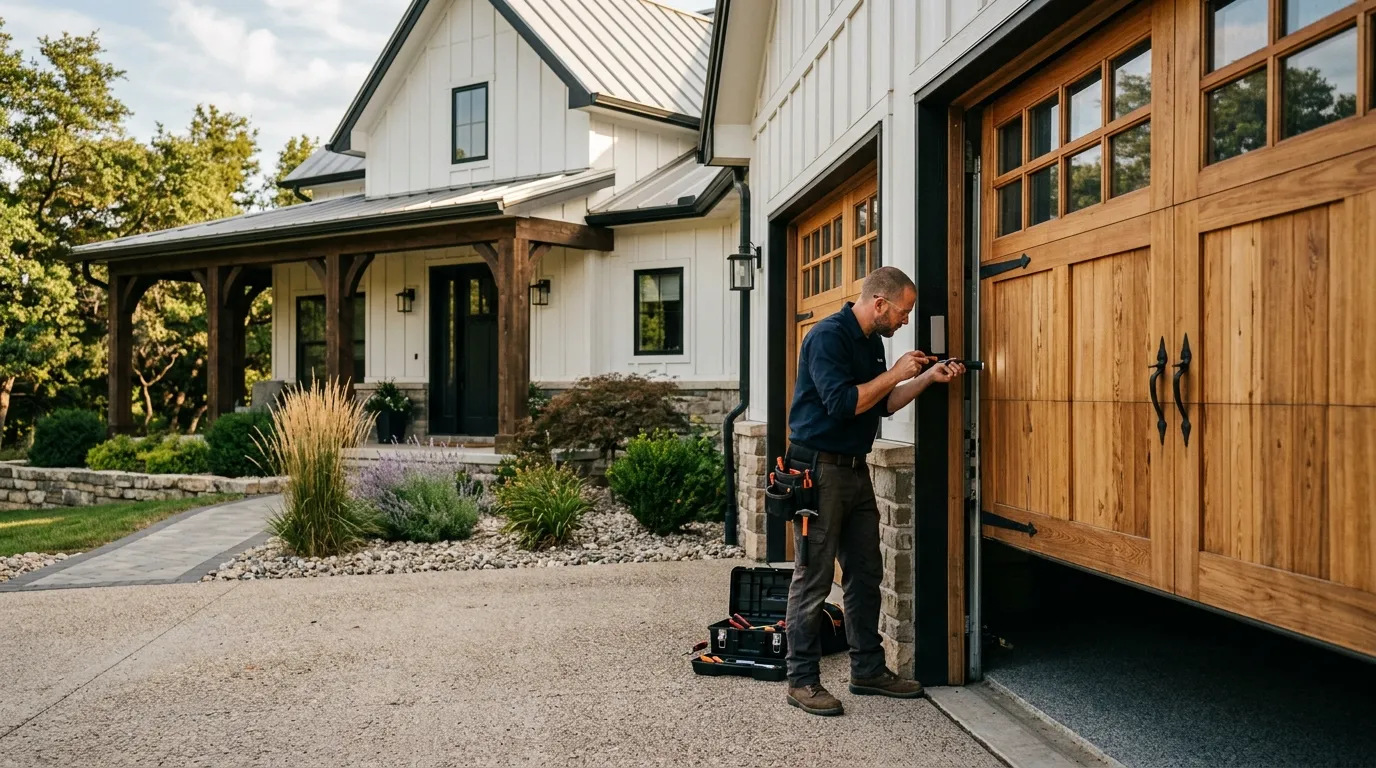
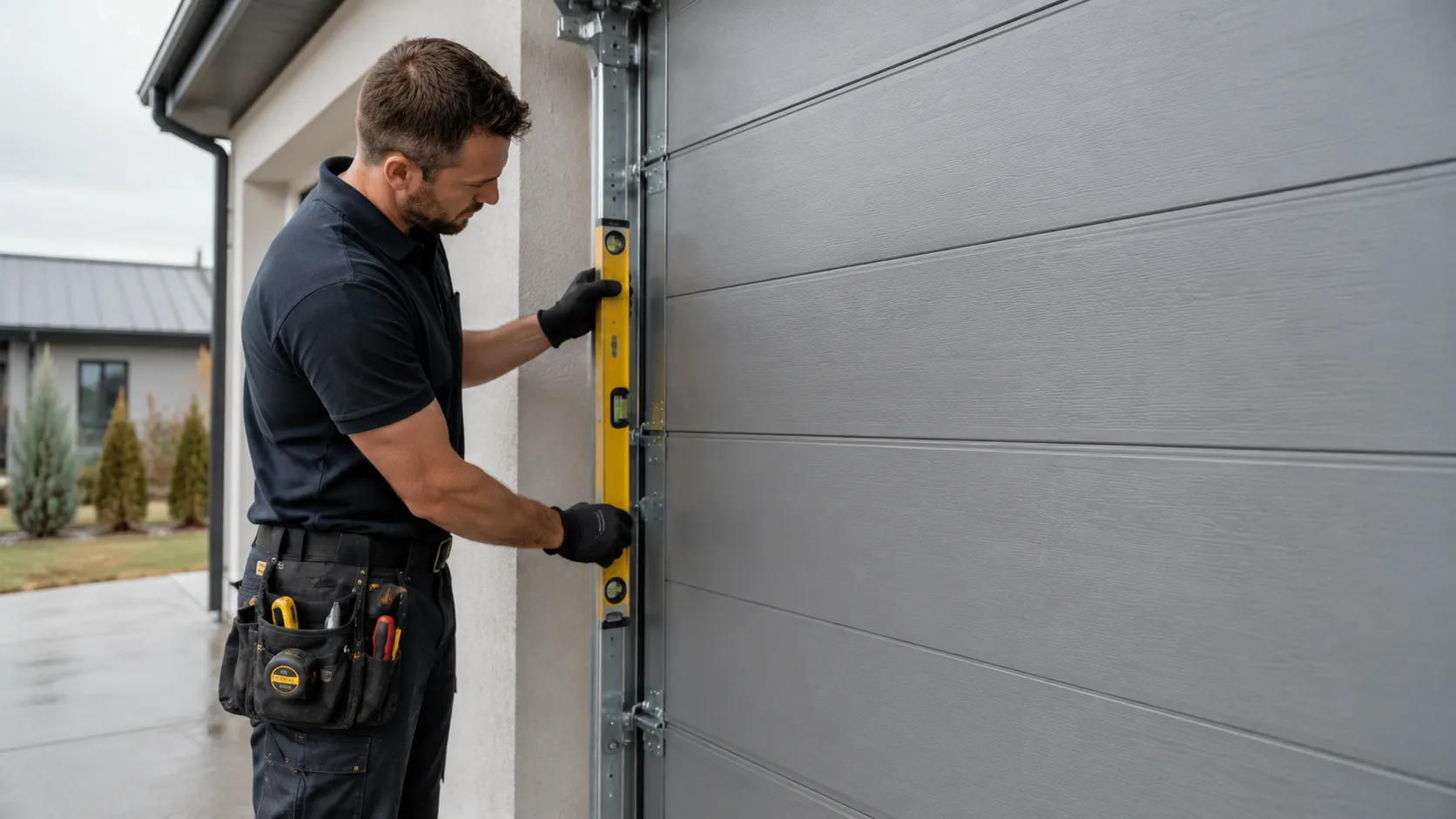
First we check whether the door came off because of a bent track, a broken cable, or a header that's shifted out of level - those get diagnosed differently even though they all look like 'the door fell off the track' to the homeowner. If the track itself is bent, we replace the damaged section rather than trying to hammer it straight; a straightened track holds for a few months and then bends again in the same spot. If a cable's the culprit, we replace both cables as a pair even if only one broke, since the other is carrying the same age and wear. We re-square the track to the jamb, check the header is still level given the age of the house, and run the door through a full cycle before we leave. One honest limit: if the track brackets have pulled loose from a jamb that's rotted or split, that's a carpentry repair first, and we'll say so rather than bolt new hardware into wood that won't hold it.