Parts We Carry
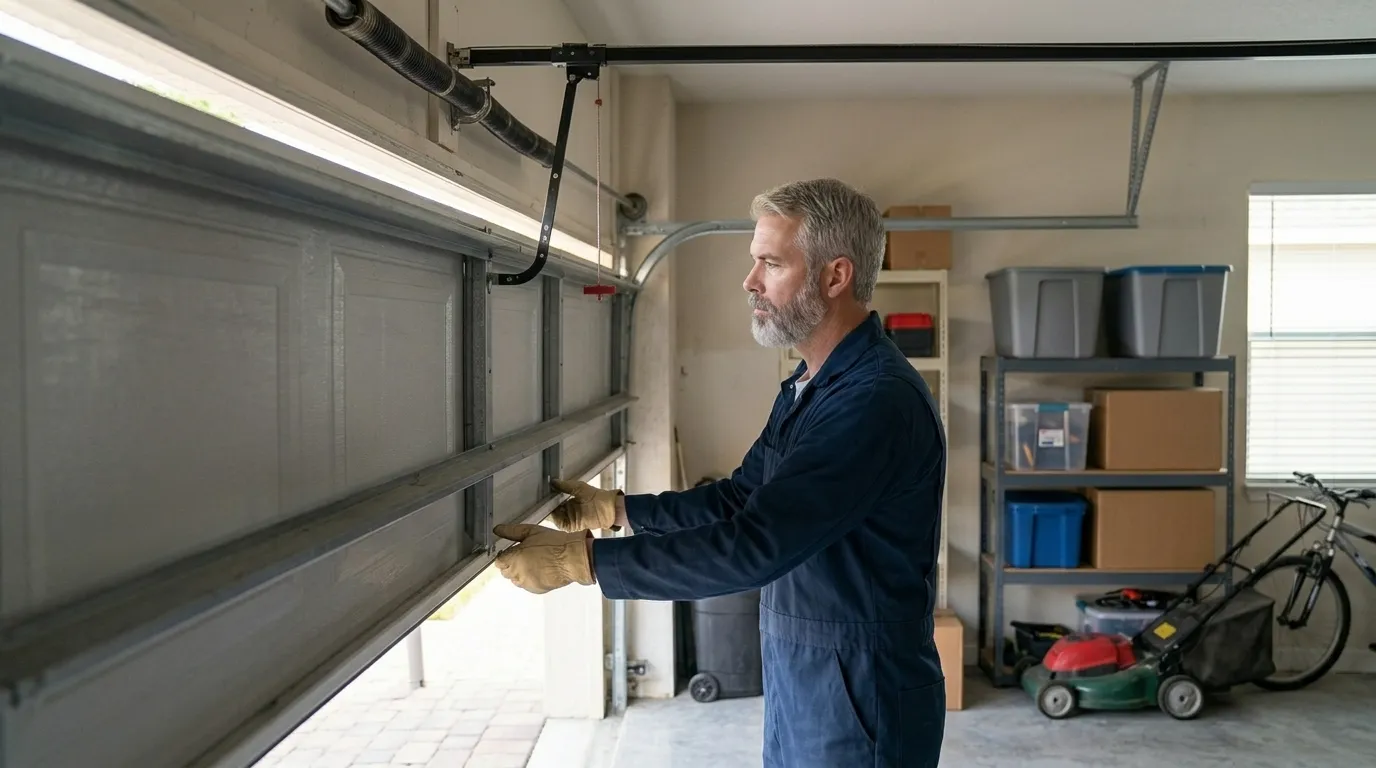
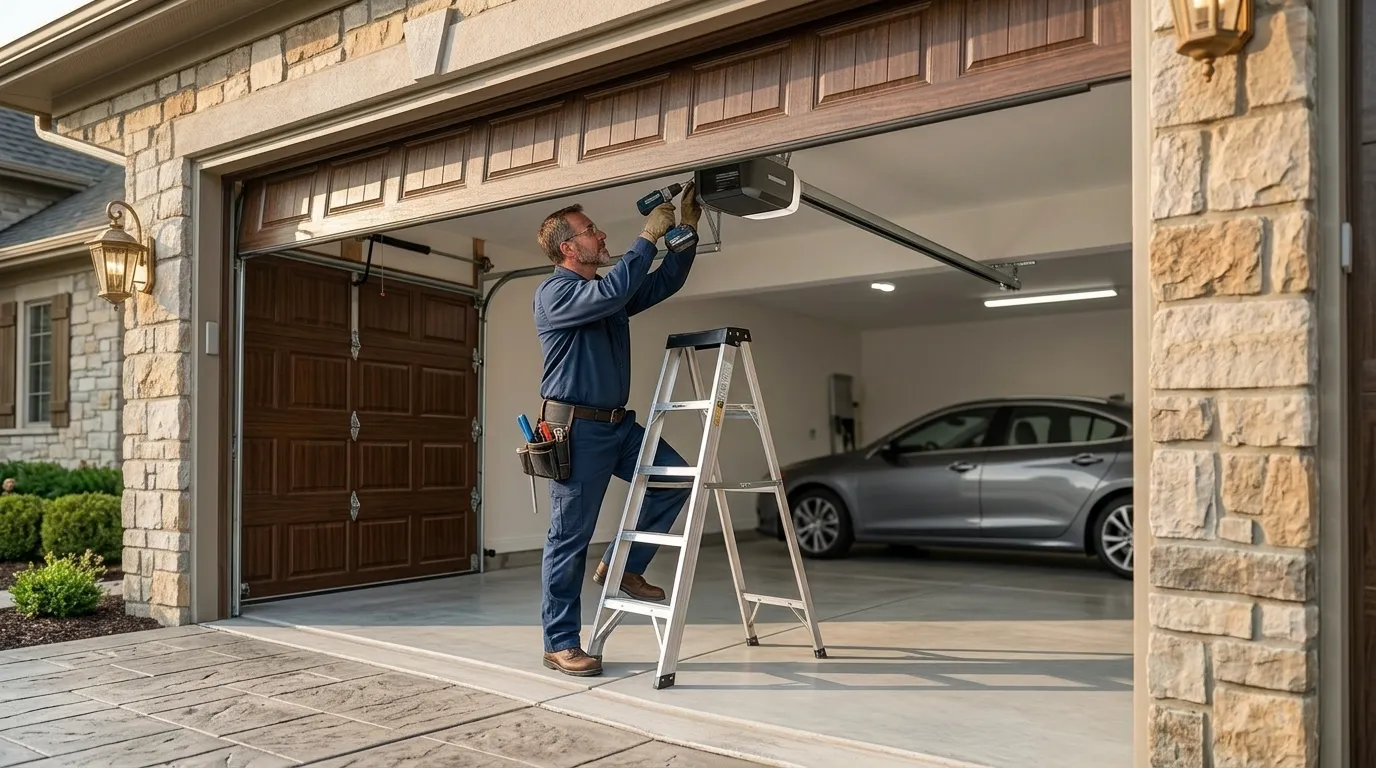
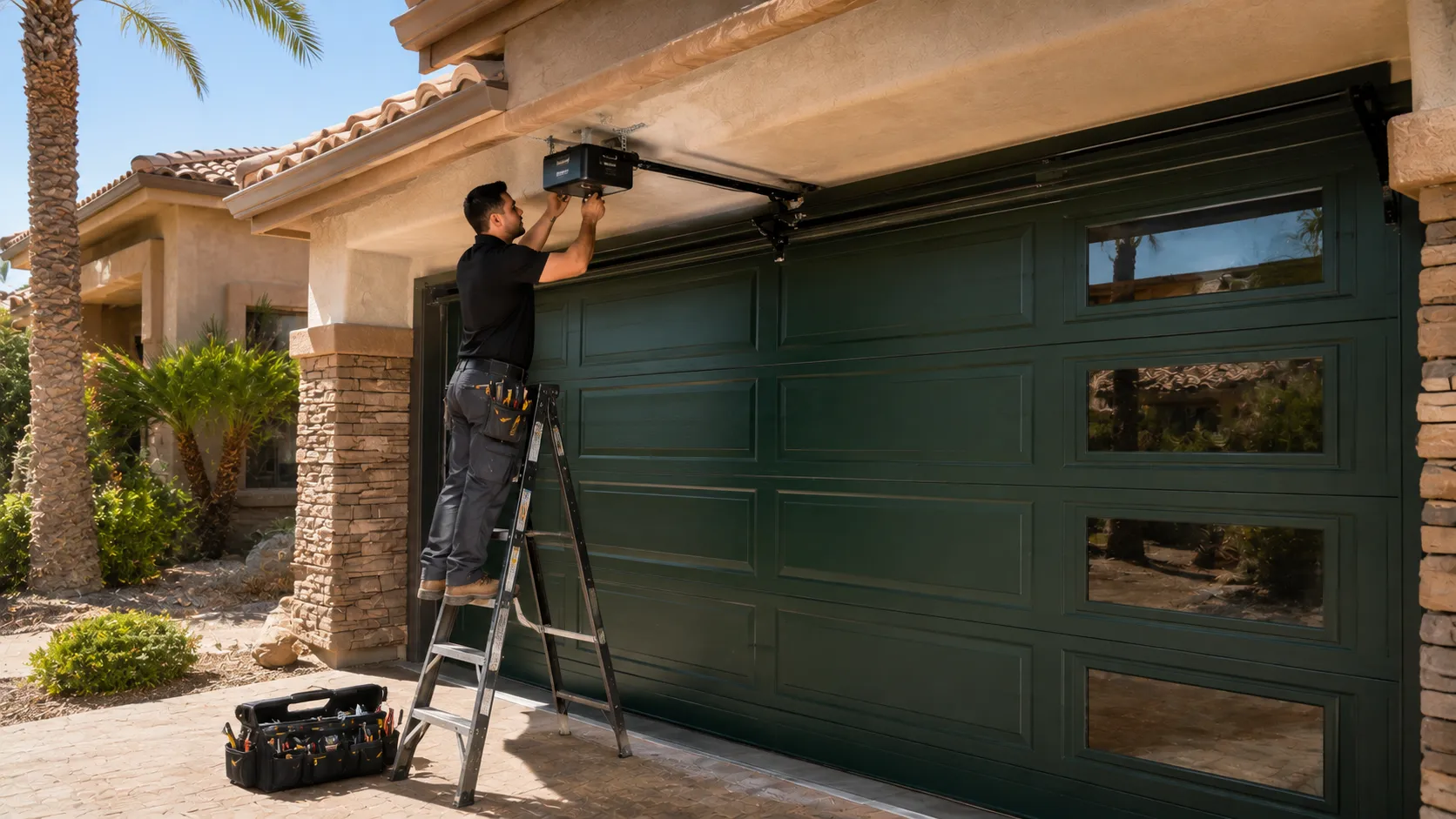
Most of Clyde went up around 1972, and a good number of those garage doors still have the original chain-drive opener bolted to the header, or no powered opener at all if the house was ever converted from a side-hinge door. We carry belt-drive and chain-drive openers in the horsepower range that actually matches a single or double door from that build era - not the oversized units some box stores push regardless of door weight. We also stock the wall control, safety sensors, and the drive rail lengths that fit a standard 7-foot Clyde garage, so we're not making a second trip out from Abilene for a part that should've been on the truck the first time.
What we don't stock is anything proprietary or discontinued - a handful of openers from the 70s and 80s used mounting brackets and rail systems nobody makes anymore. If your house still has one of those, we're not forcing a repair; we're replacing the whole unit with something current that bolts into the same header.
Why It Happens Here
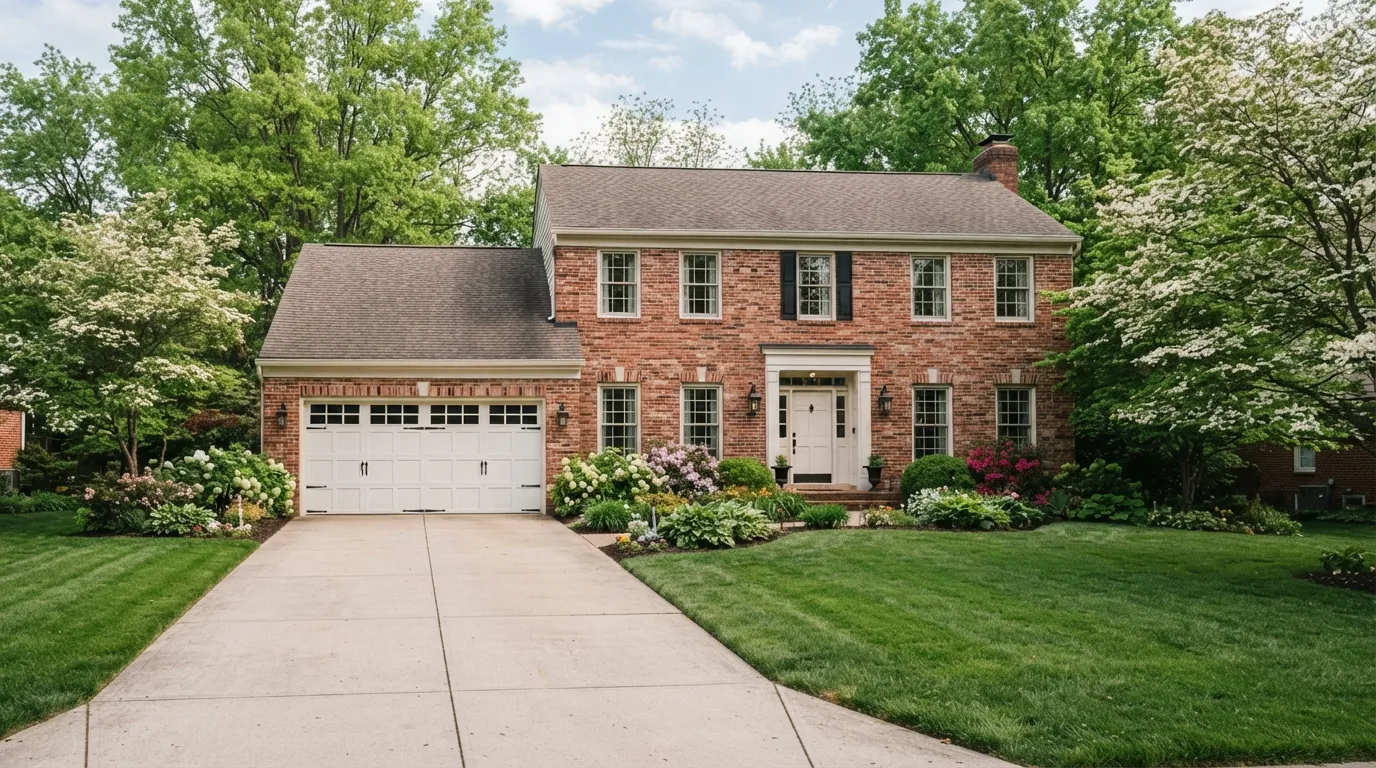
Clyde sits about 14 miles out from Abilene, and the housing stock here clusters tighter around 1972 than the wider service area does - the broader region spans doors built anywhere from 1963 to 2003. That narrower window matters: it means a much higher share of Clyde's roughly 1,283 households are dealing with the same generation of hardware at roughly the same time, rather than a mix of eras spread out like you'd see in a newer subdivision.
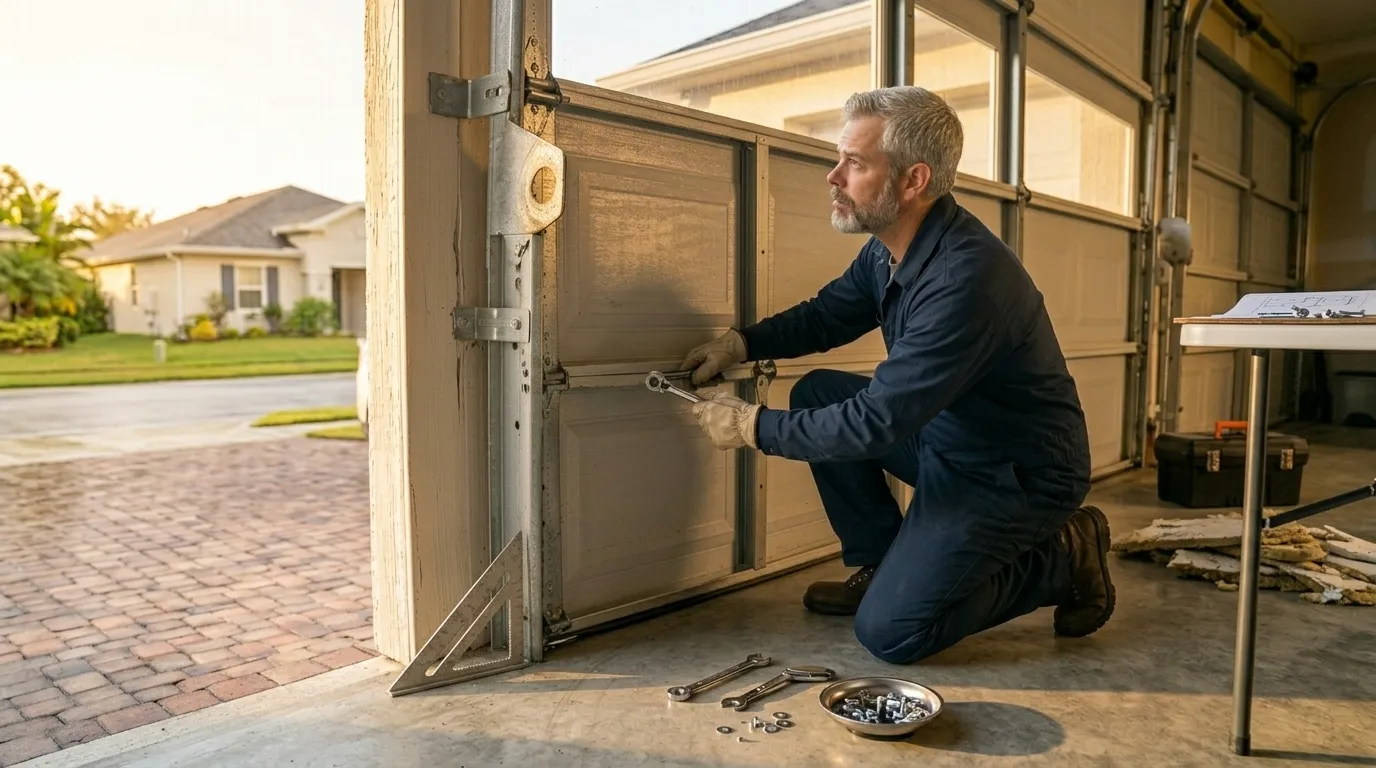
The cold winters here play a part too. Original steel header brackets and mounting hardware that have gone fifty winters without replacement are more likely to have hairline rust than the same parts would be in a milder climate, and that rust is usually invisible until we're up on the ladder pulling the old unit down.
What the Fix Involves
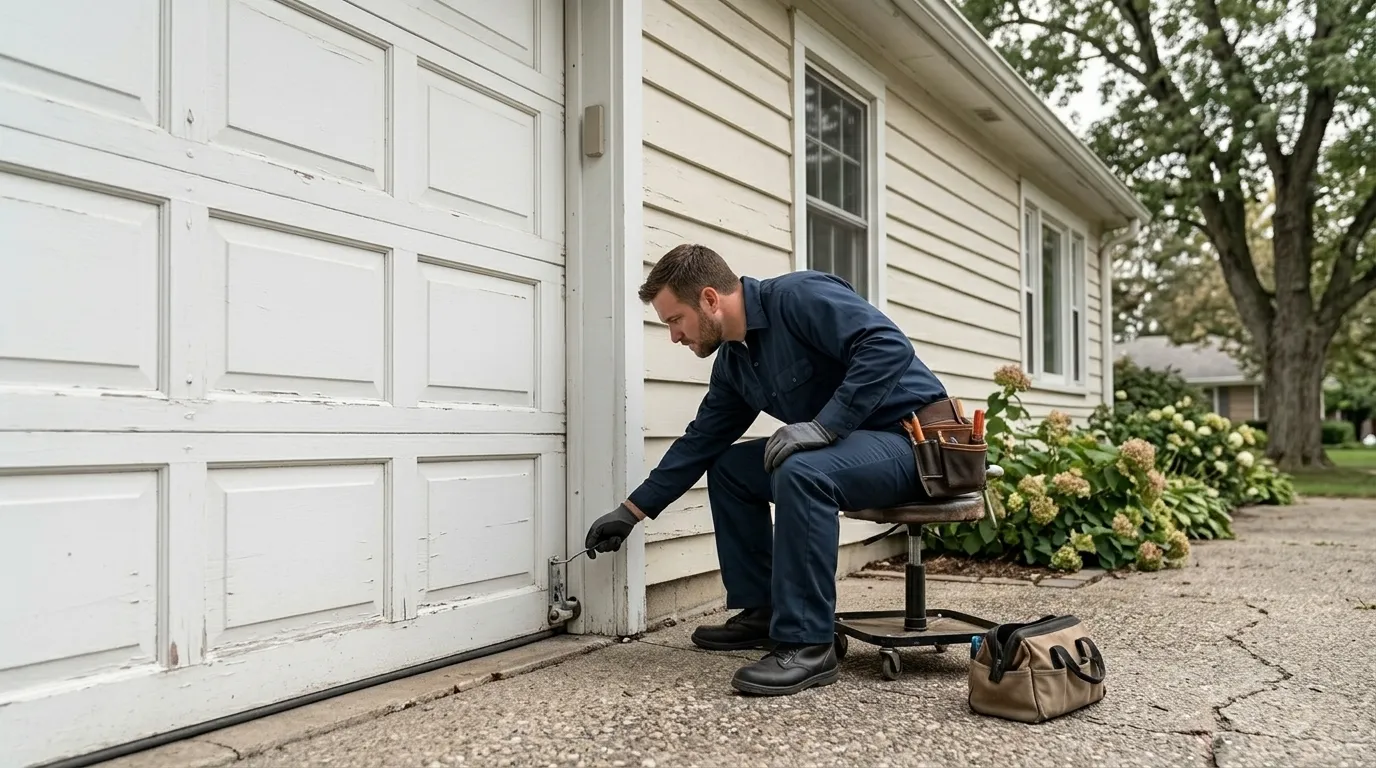
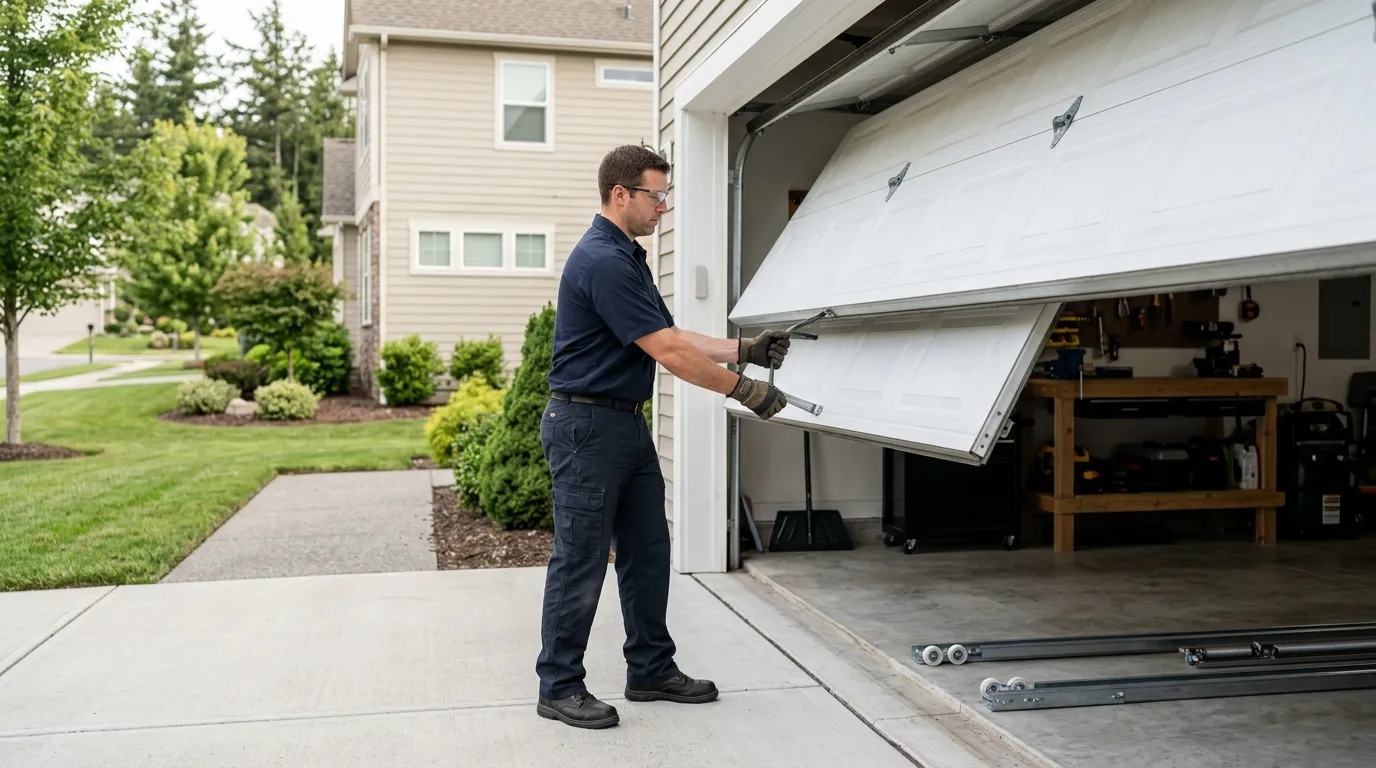
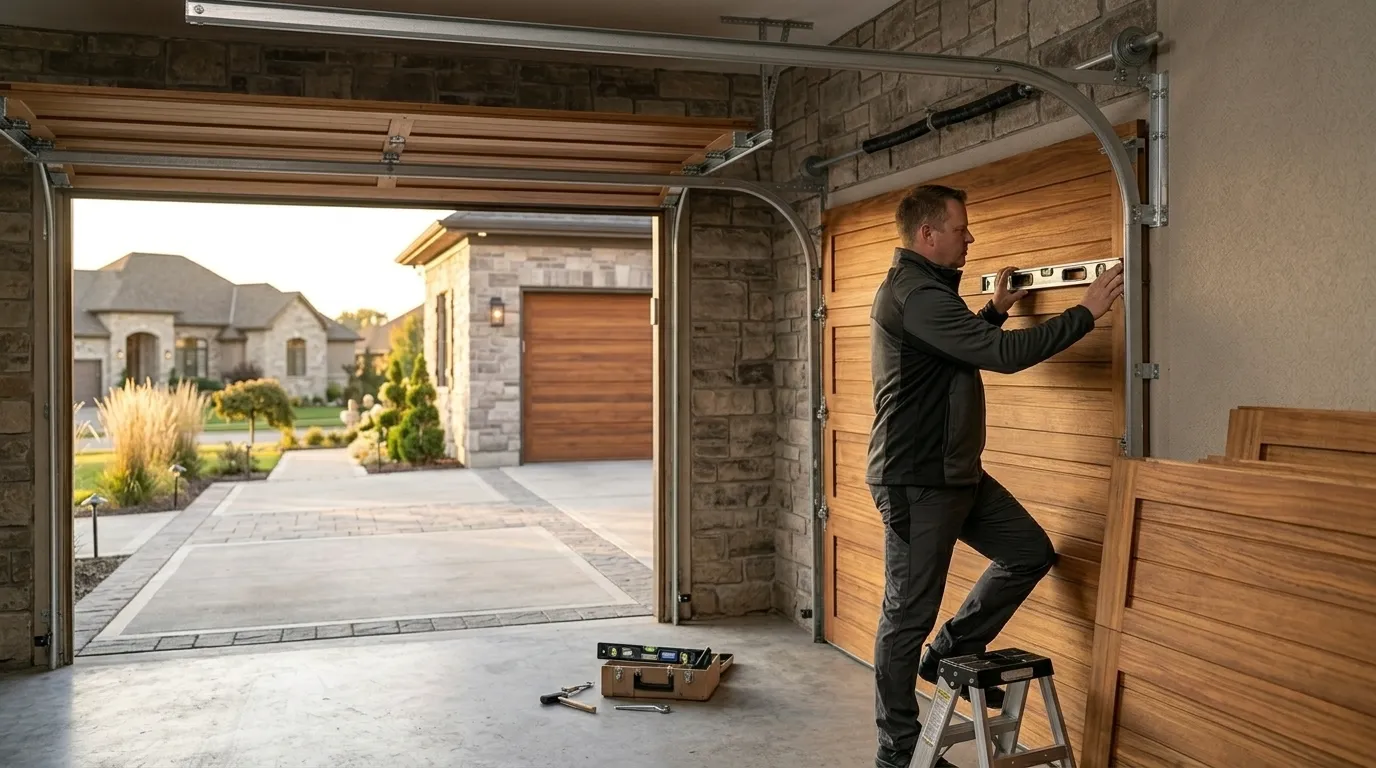
We start by checking what the opener is actually bolting into - header, track, and the door's own weight - before we quote anything. If the mounting point is original 1972-era lumber or bracket, we reinforce or replace it as part of the job rather than hang a new opener off hardware that's already fifty years past its intended life. Then we size the opener to the door: horsepower, drive type, and travel length all depend on whether you've got a single or double door and how heavy the panels are.
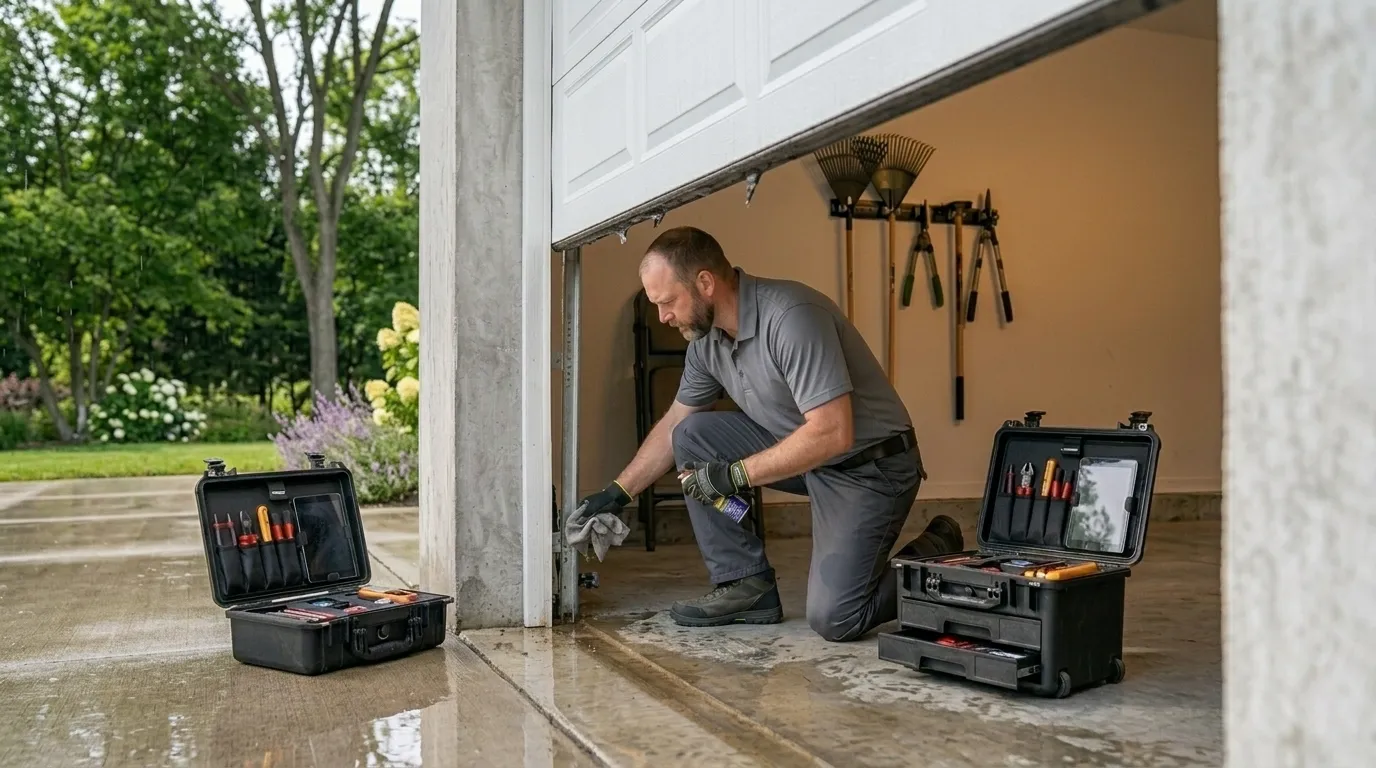
Installation includes the wall control, safety sensor pair, and programming the remote or keypad you want to use. We test the auto-reverse safety function before we leave - that's not optional, it's the one thing that protects a kid or a pet from a door that doesn't stop.