Parts We Carry
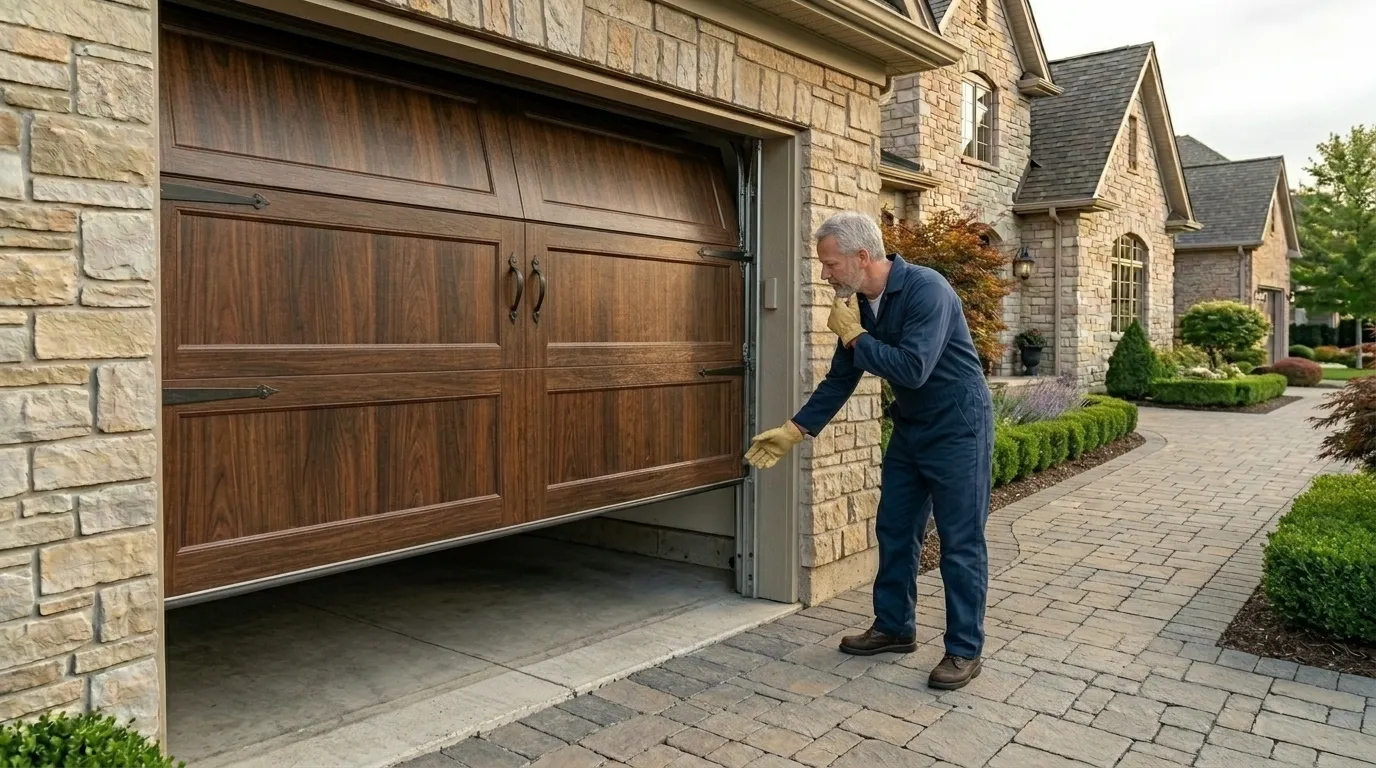
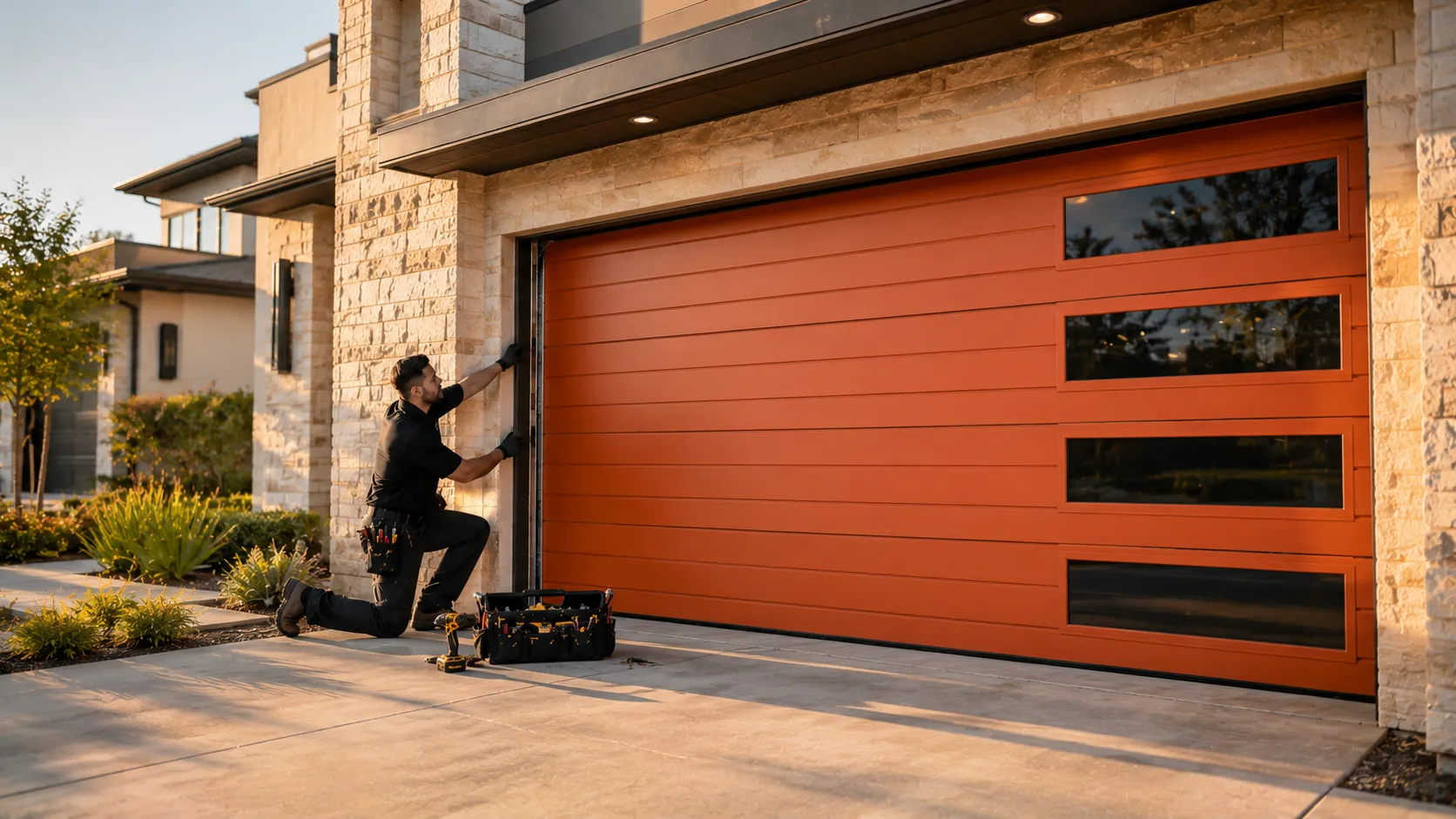
Clyde is a small town - about 1,283 households - which means the fleet of garage doors here isn't huge, but it's remarkably consistent. When most of a town's houses went up in the same stretch of years, the doors and openers that fail tend to be the same models over and over. We stock torsion springs sized for the standard 7-foot and 8-foot residential doors that came standard on homes built through the 1970s and 80s, along with the extension spring hardware you still find on some of the older single-car garages. We carry rollers, cables, and hinges that fit the steel sectional doors most common on this kind of housing stock, plus a range of opener drive gears and circuit boards for the chain and belt-drive units that replaced worn-out originals over the decades. What we don't keep on the truck is anything custom - ornate wood overlay doors or oversized commercial track. If a job needs that, we order it and tell you the wait up front rather than pretend we have it in stock.
Why It Happens Here
Housing across this part of the service area went up mostly between 1963 and 2003, with the typical build year landing around 1973 - and Clyde tracks close to that, with a median build year around 1972. That means original torsion or extension spring setups from an era before galvanized coating was standard, and openers that have likely been replaced once or twice already since the house was framed. This region sits in a cold-moderate climate band, so garage doors here deal with real winter cold snaps and summer heat swings rather than a mild year-round range - that cycling is hard on spring steel and on the lubrication in older rollers and hinges. A door that's fine in October can bind or snap a spring in a January cold snap simply because the metal contracted overnight. None of that is Clyde-specific weather drama, just the ordinary wear that comes from decades of temperature swings on 1970s-era steel hardware.
What the Fix Involves
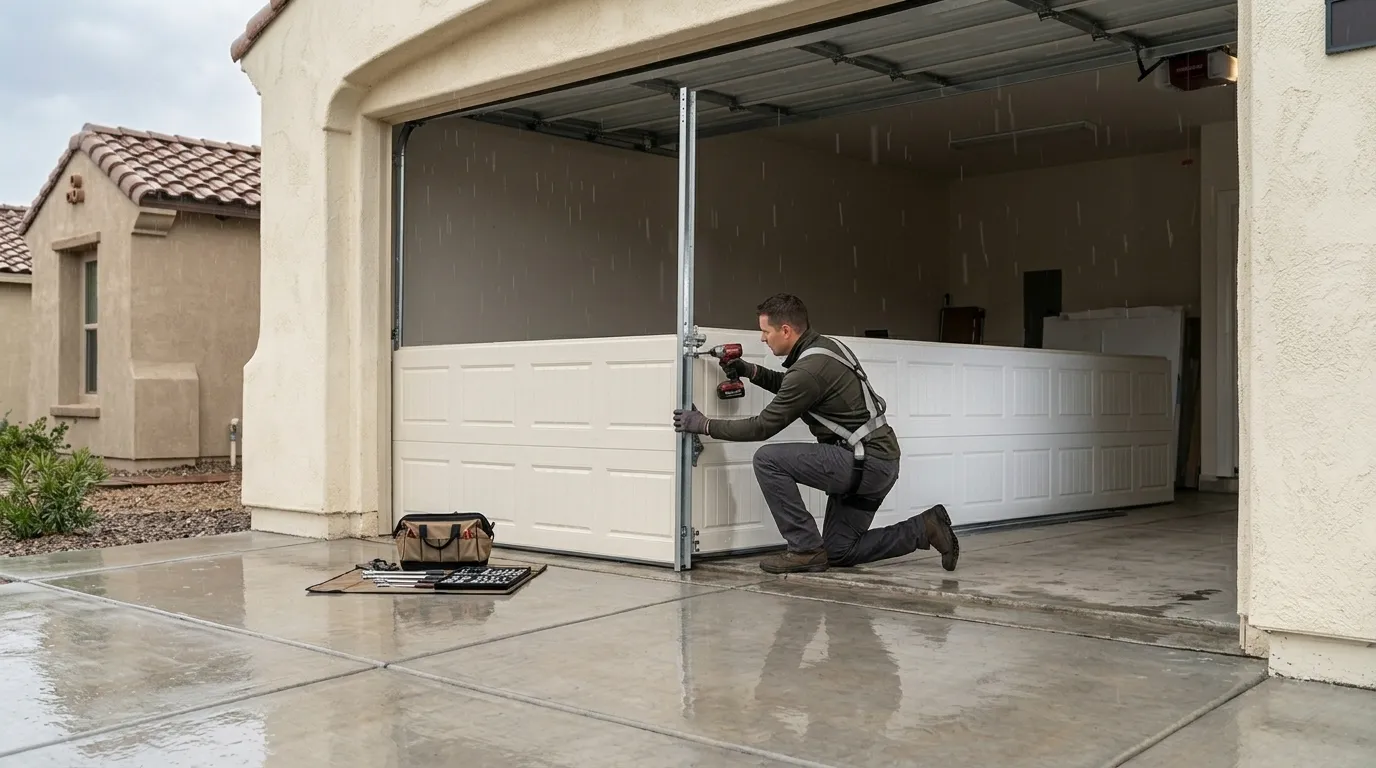
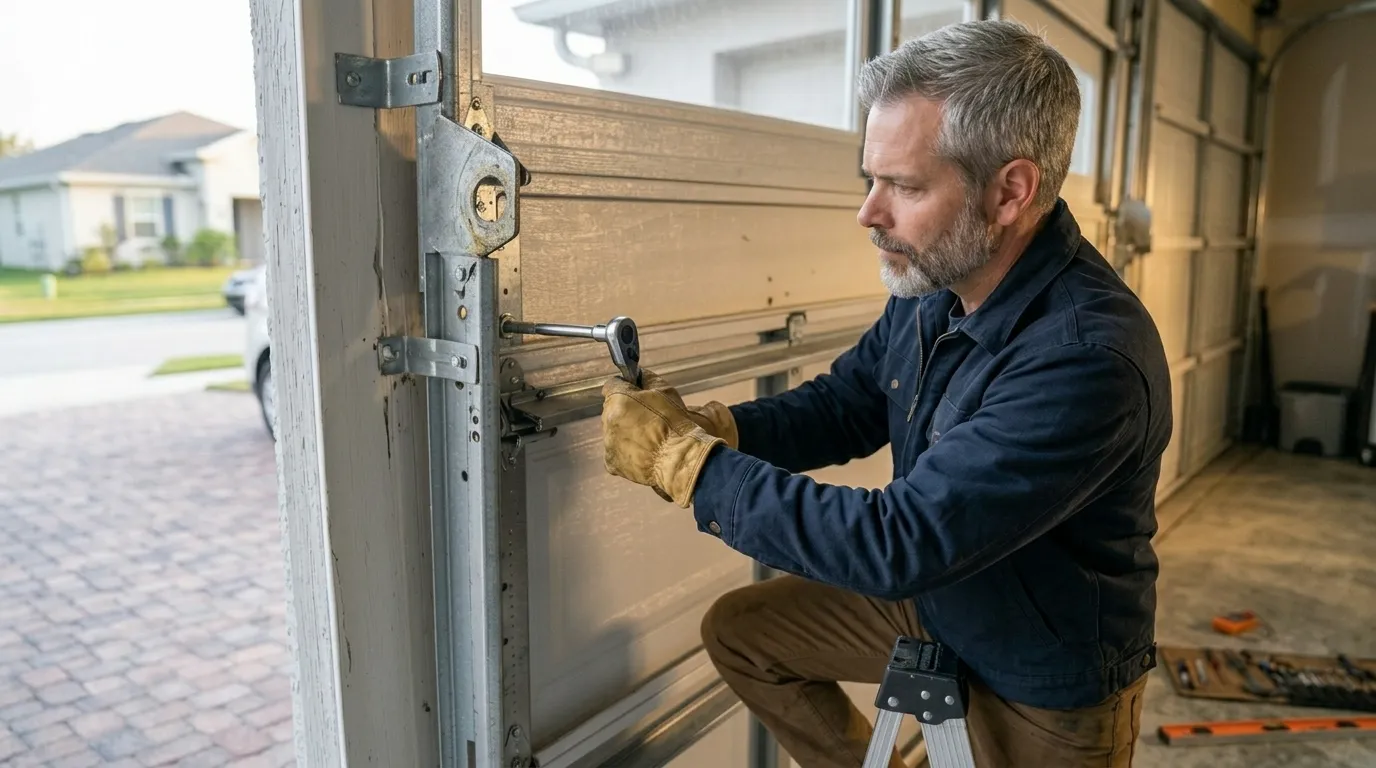
For a torsion spring on a door this old, the fix is a full spring swap sized to the door's actual weight, not a guess based on the opener's strain - we've seen underpowered springs installed as a quick patch and burn out the opener motor within a year. If the track is the original steel from a 1970s build, we check for rust pitting before deciding whether to reuse it or replace the section outright; pitted track chews through rollers fast. Opener work usually means either a board replacement or a full unit swap, depending on age and whether parts for that model are still made - and here's the honest limit: some drive units from the 80s and early 90s simply don't have parts anymore, and a repair quote on those is a waste of your money compared to a new opener. We'll tell you when that's the case instead of billing for a patch that won't hold.