Parts We Carry
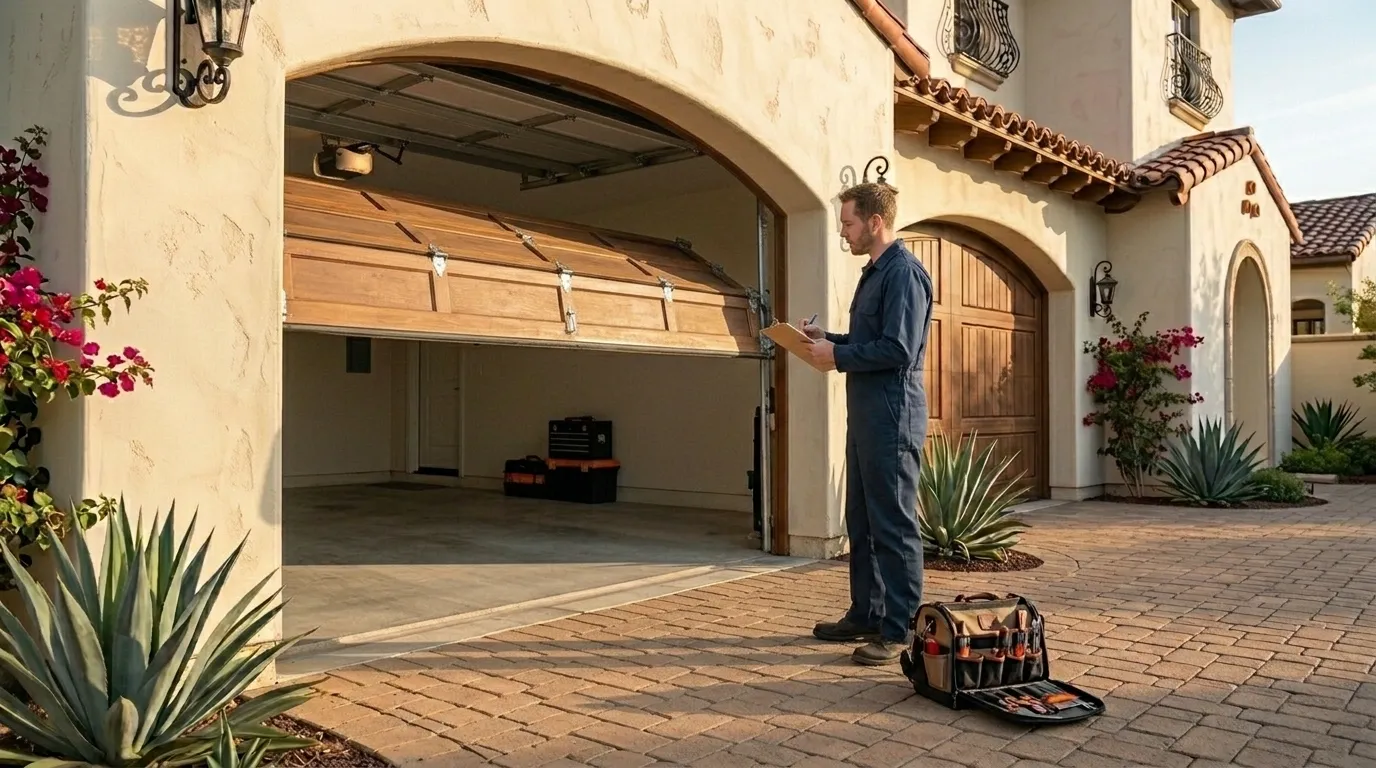
Clyde sits 14 miles out from Abilene, and the houses we work on there were mostly framed around 1972 - right in the middle of the 1963-2003 build window that covers this whole service area. That means the garage doors we're pulling panels off in Clyde are usually the same generation as the ones in the older parts of Abilene: steel sectional doors on extension or early torsion springs, openers that have been swapped once or twice since the house was built but tracks and hinges that are original more often than not.
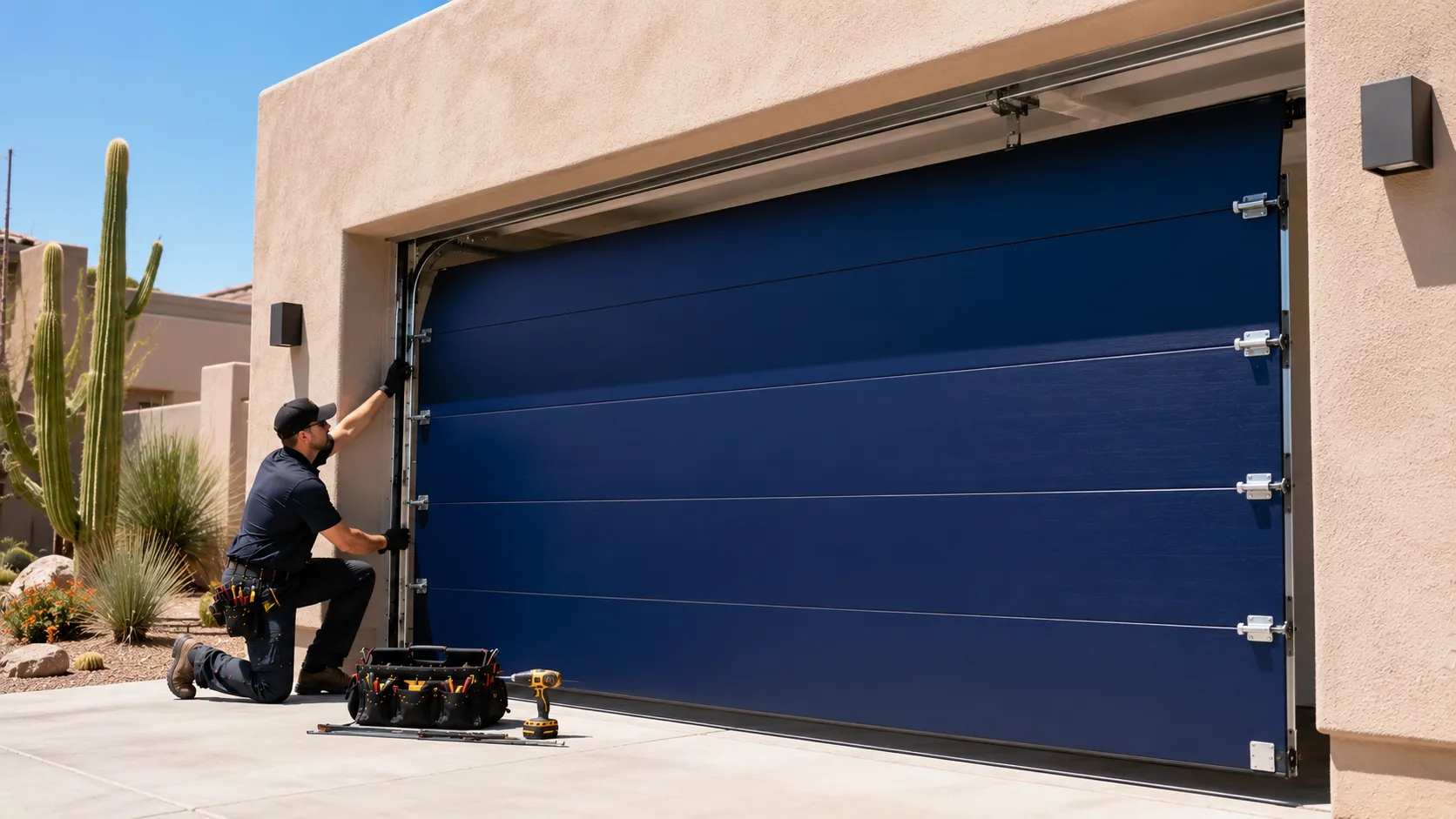
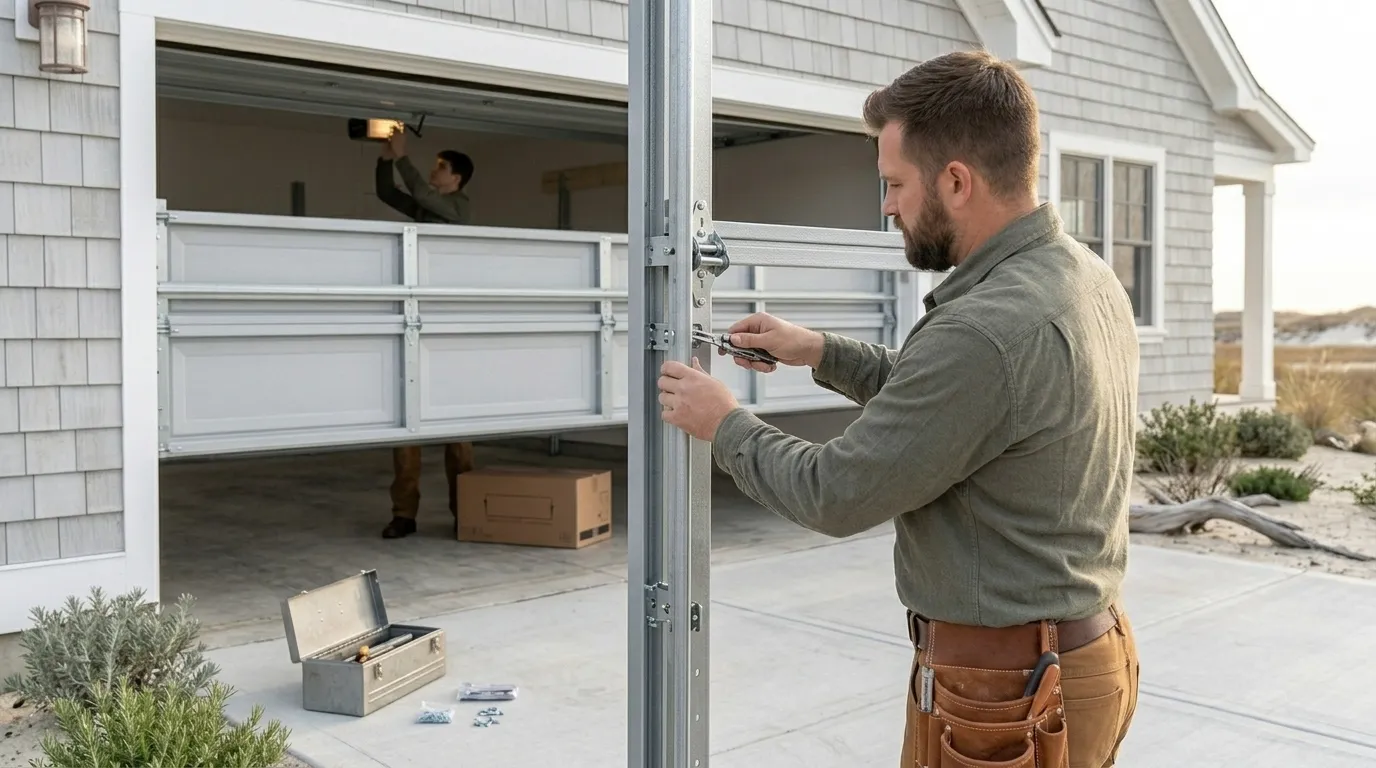
We carry the parts that generation actually needs - torsion and extension springs sized for single and double residential doors, steel rollers to replace the nylon ones that have gone brittle, galvanized cable, and center and end hinges in the gauges those older sectional doors use. What we don't stock on the truck is anything for a door built in the last five years with a smart opener and sensor package that's still under a manufacturer warranty - that's a different job, and if that's what you've got, tell us before we drive out so we bring the right diagnostic gear instead of guessing.
Why It Happens Here
Cold-moderate winters put a specific kind of stress on original torsion springs - the metal contracts, tension shifts, and a spring that was marginal in October is the one that lets go in January. That's a climate fact, not a Clyde-specific one, but combined with the building era it explains a lot of the calls we get from this side of the service area.
Across the roughly 1,283 households in Clyde, most are owner-occupied, and median income here runs close to $63,616 - similar to the wider Abilene-area figure. That matters for how we talk about repair versus replace: it's rarely a stretch budget, so we try to fix what can be fixed with parts that match the original hardware rather than pushing a full door swap when the spring, cable, or roller job will get another decade out of it.
What the Fix Involves
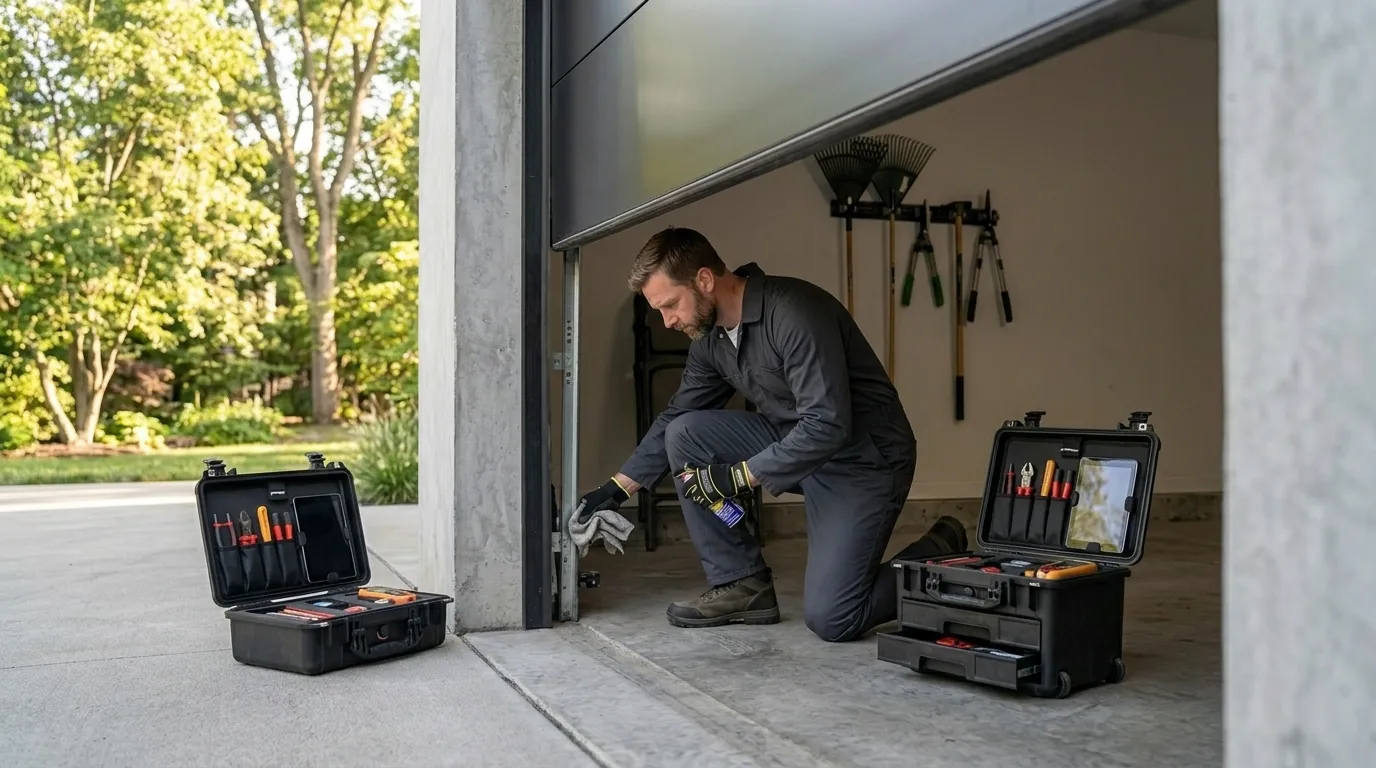
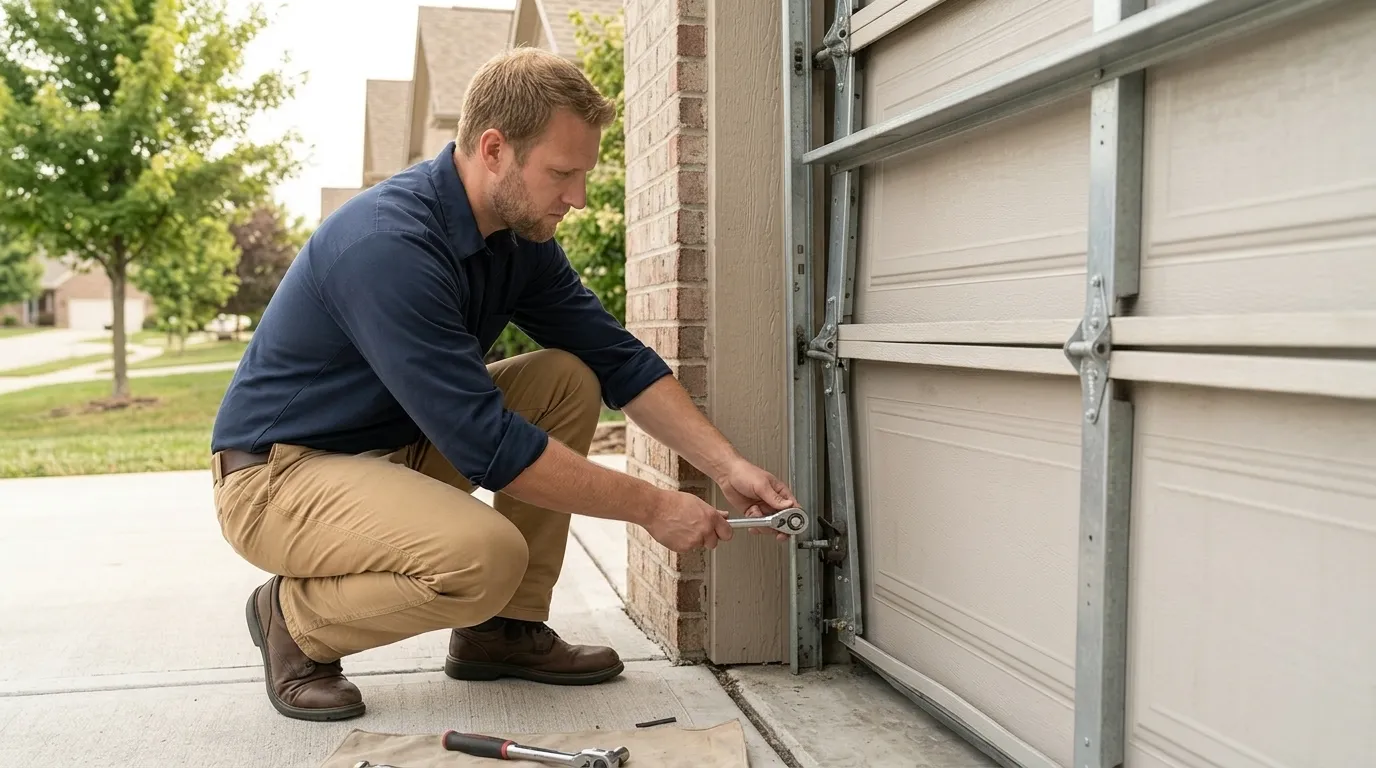
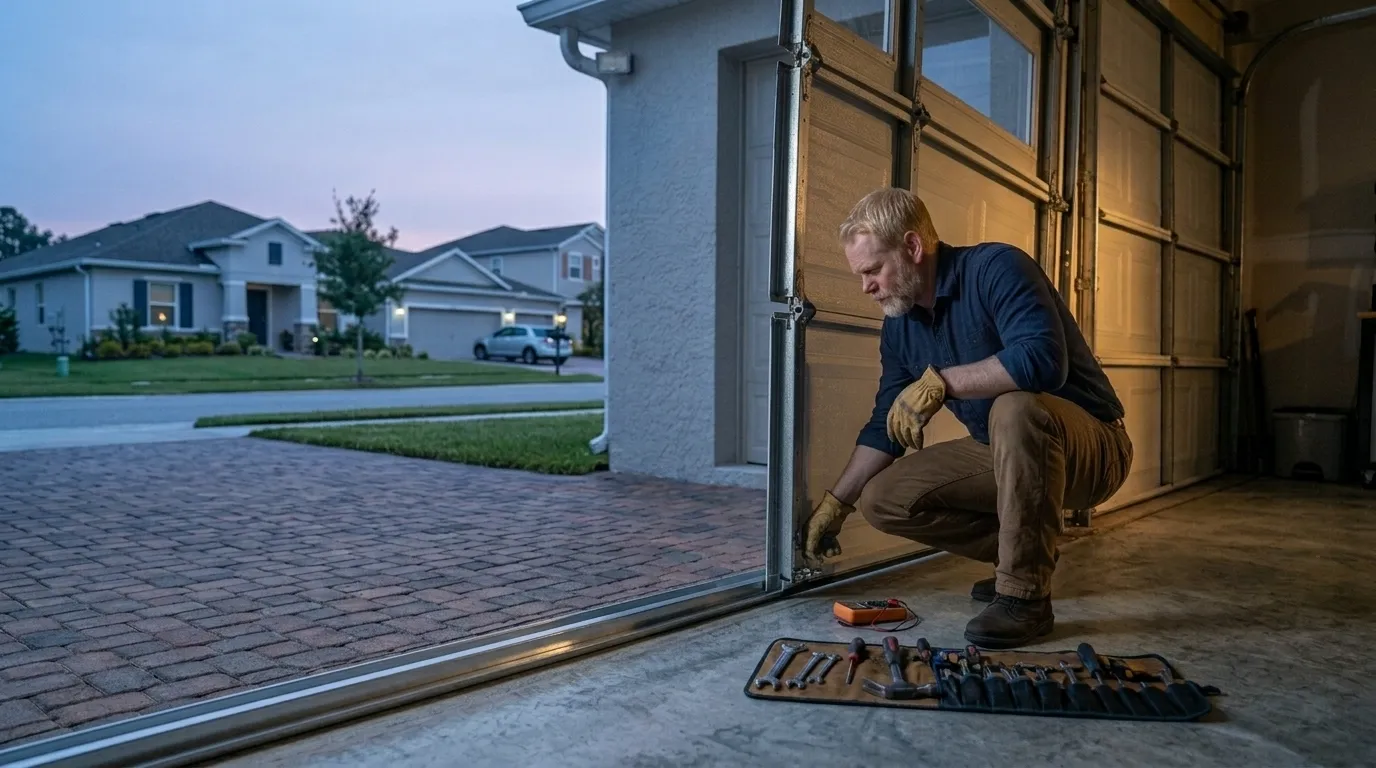
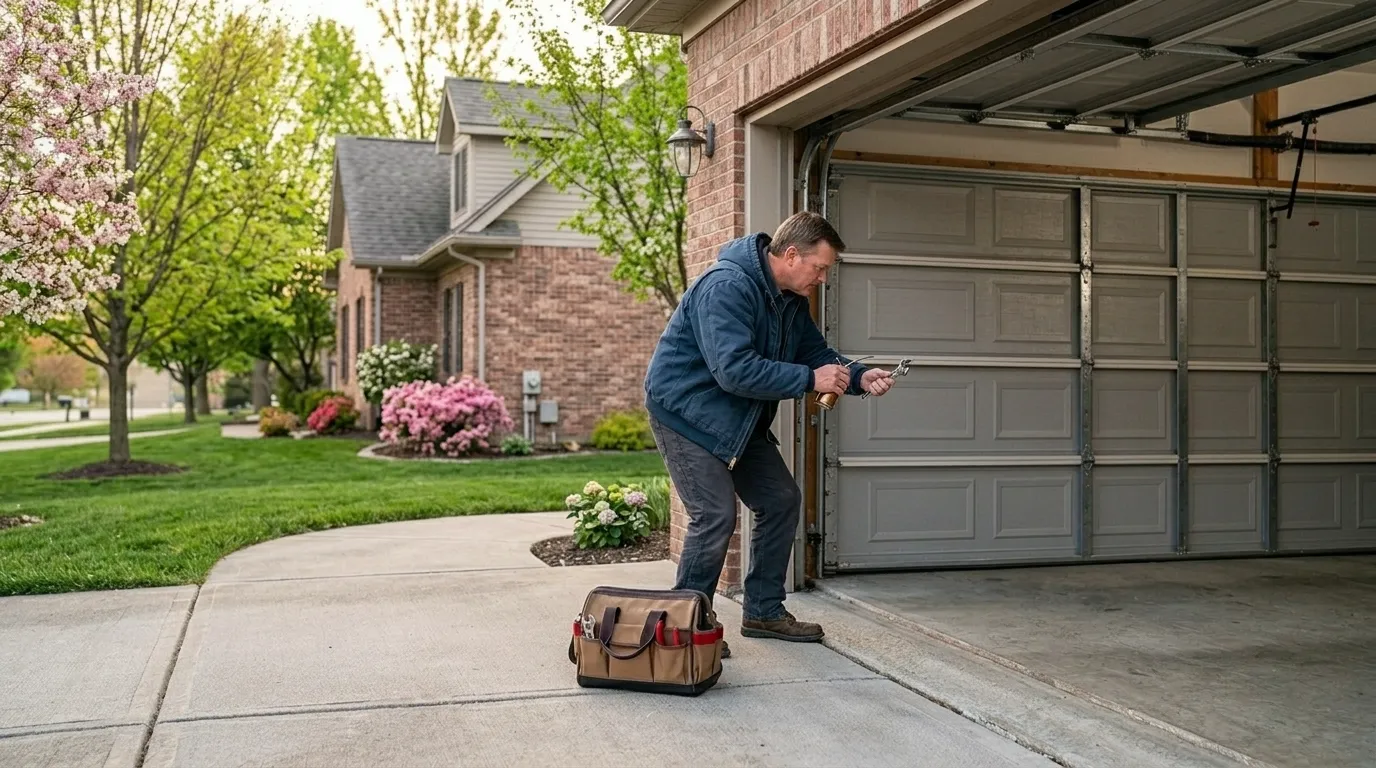
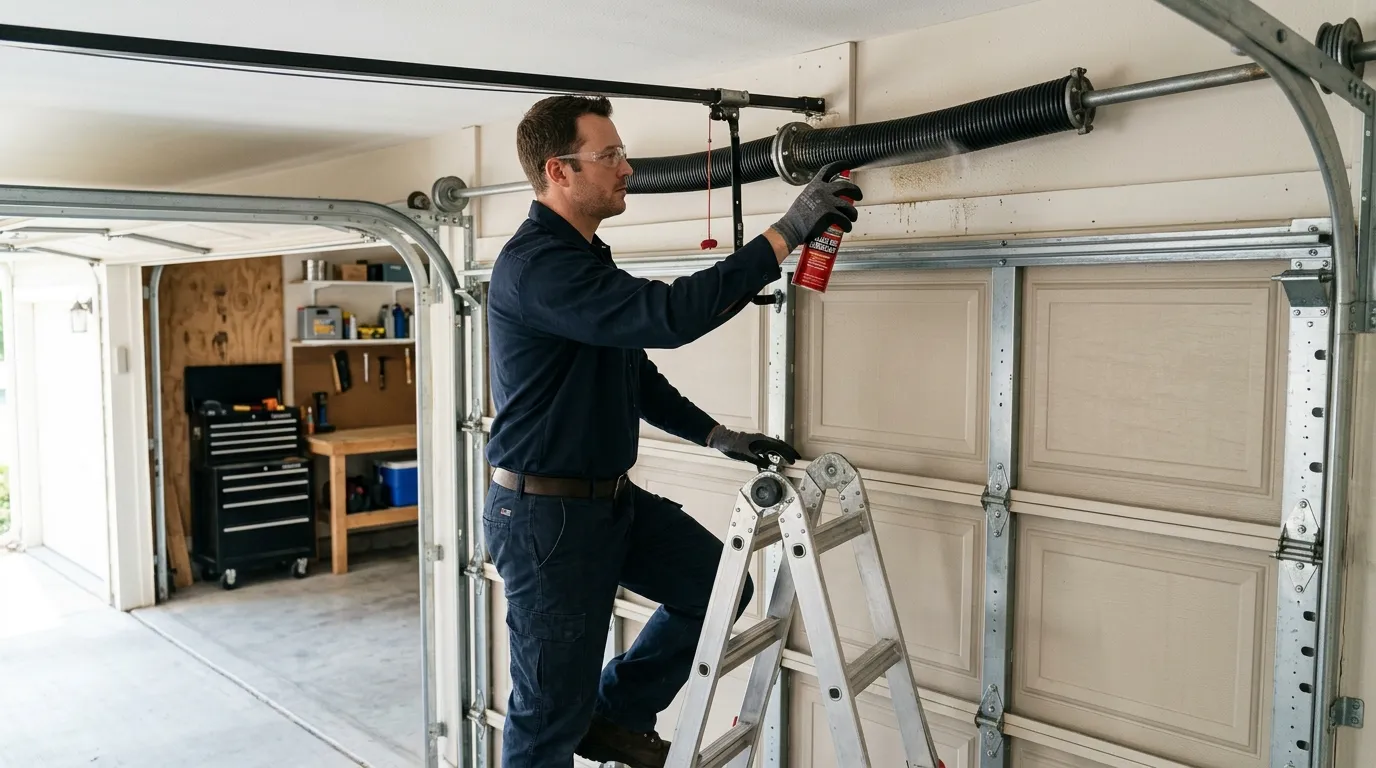
On a typical Clyde maintenance call, we're checking spring tension against the door's actual weight, not just the manufacturer's original spec sheet, because fifty years of paint and insulation add-ons change what the springs are actually lifting. We lubricate rollers and hinges, check cable fraying at the drum, and test travel limits on the opener - a five-minute check that catches most of the failures before they turn into a stuck door on a cold morning.
One honest limitation: if the track is bent or the door panels themselves have rusted through at the bottom - which happens on original steel doors from this era - maintenance won't fix that. That's a repair or replacement conversation, and we'll tell you straight if that's where you are instead of billing you for a service call that won't hold.