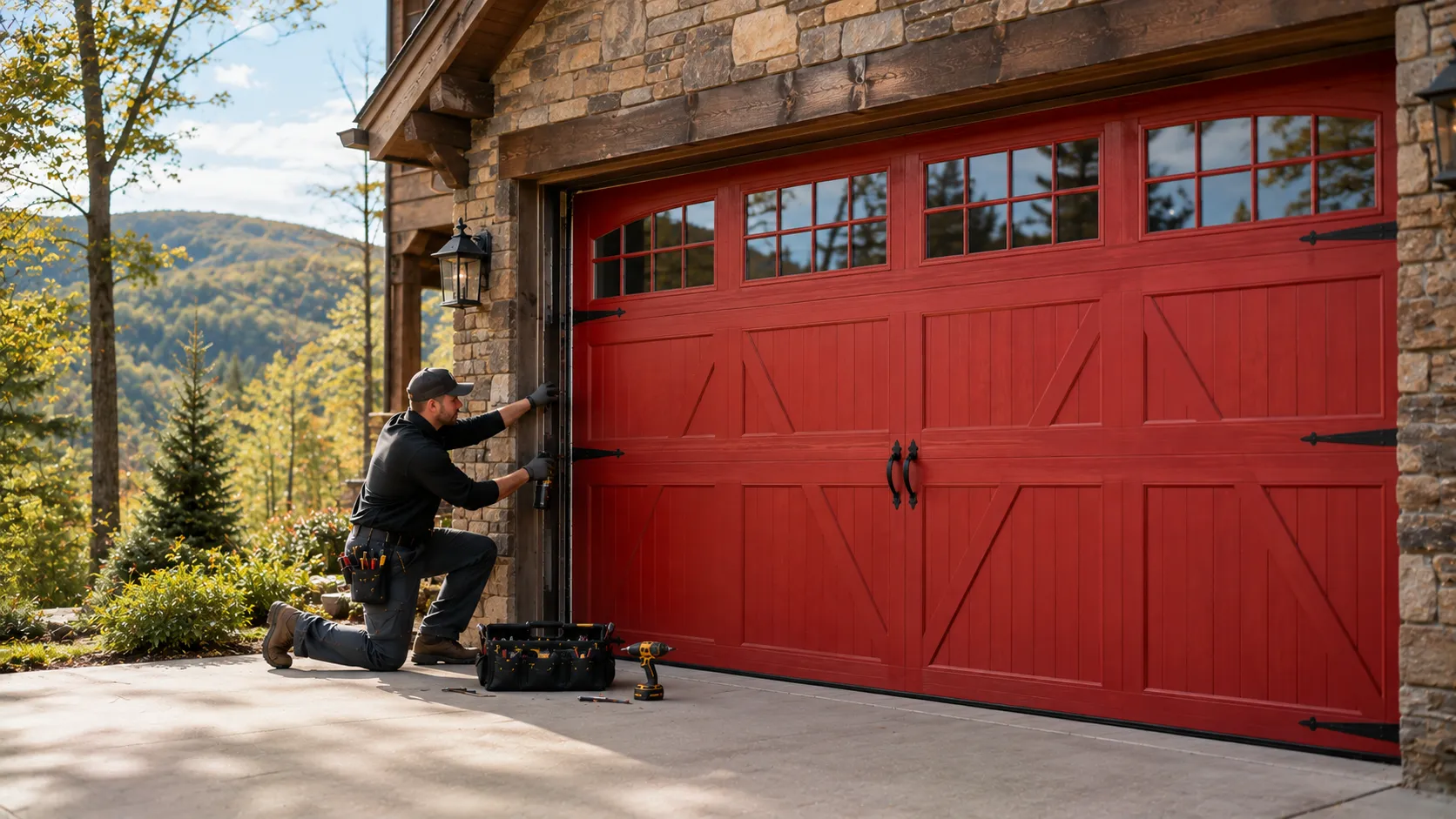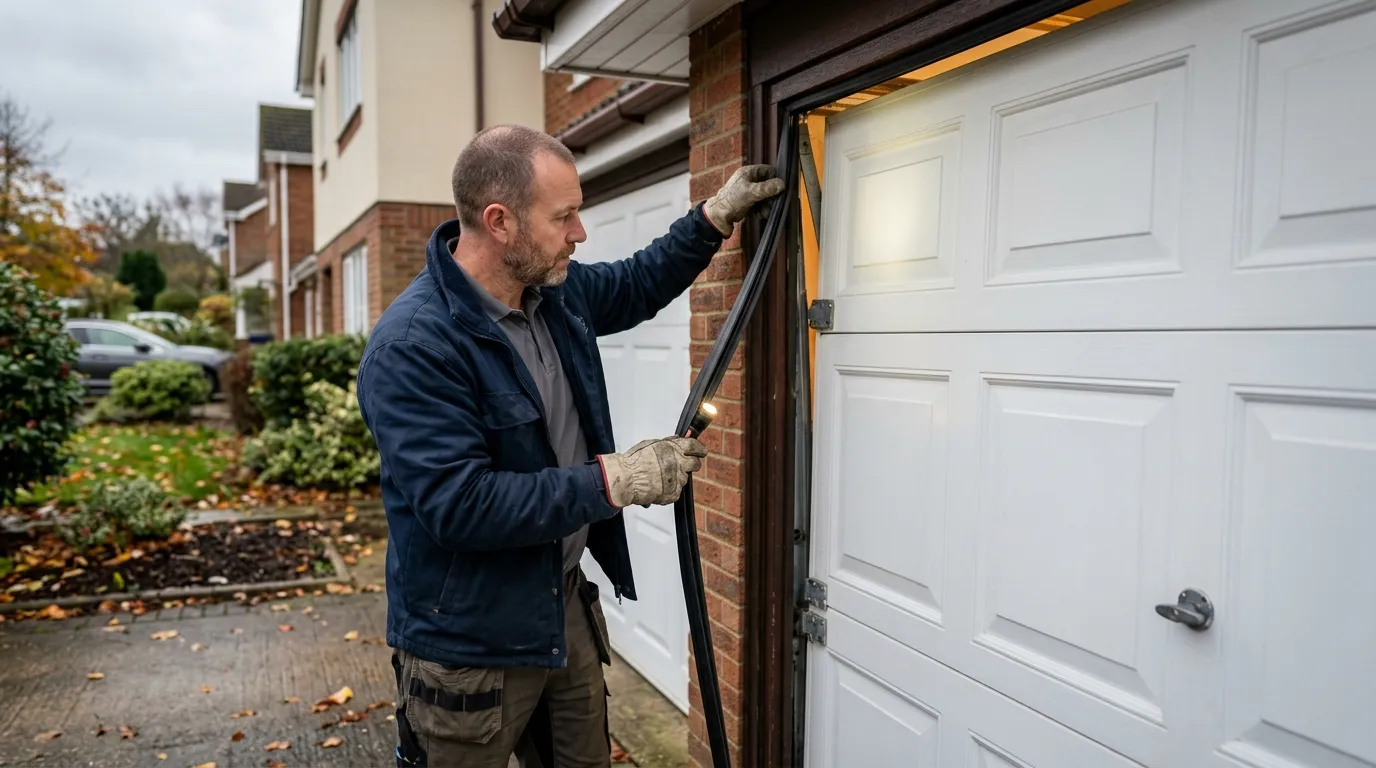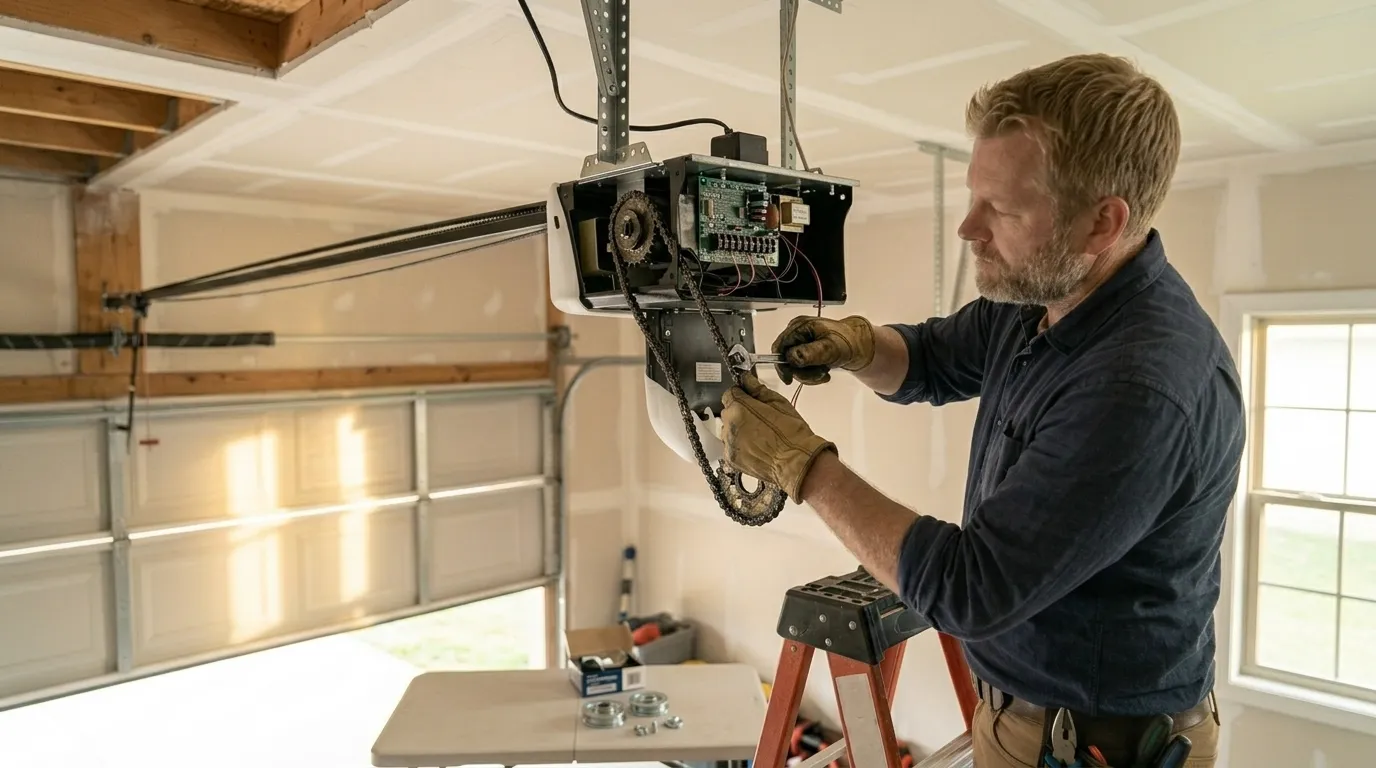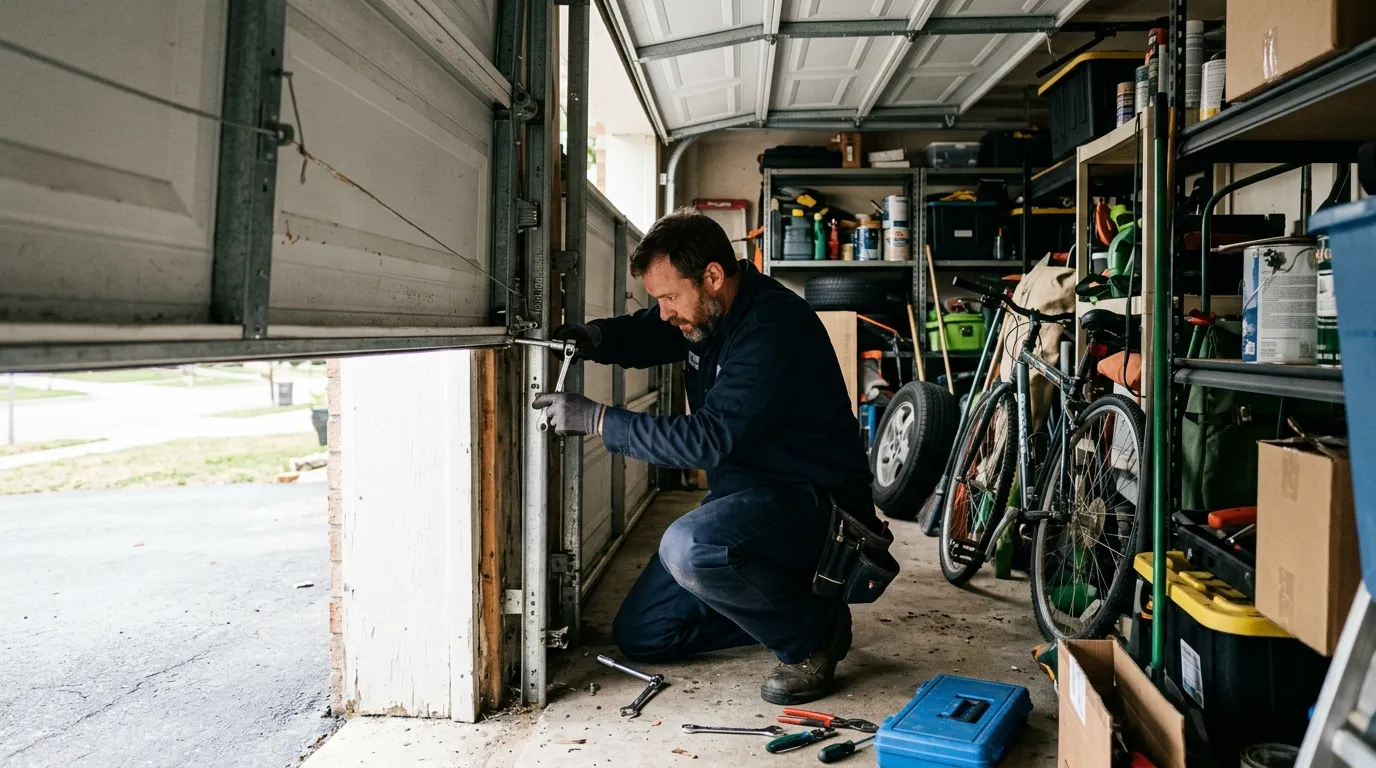
What Is Going On
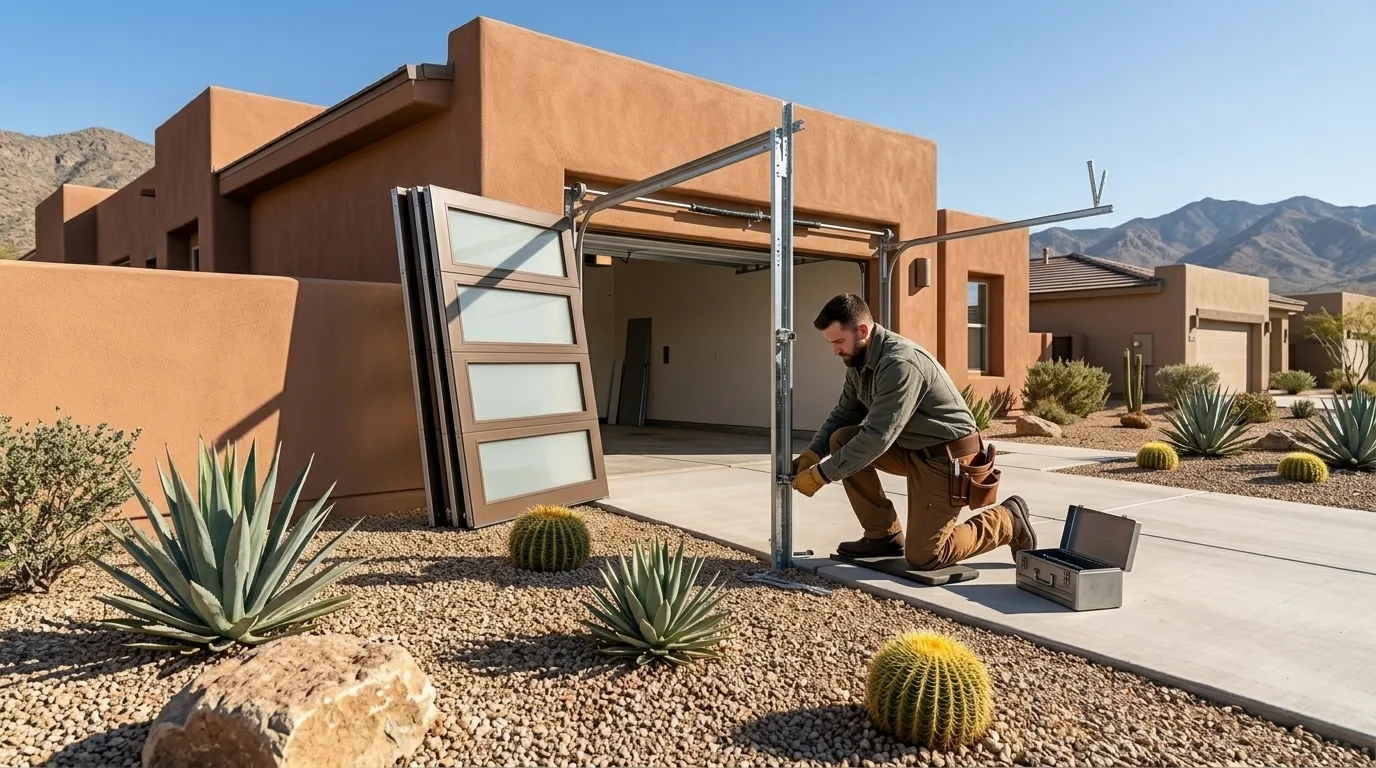
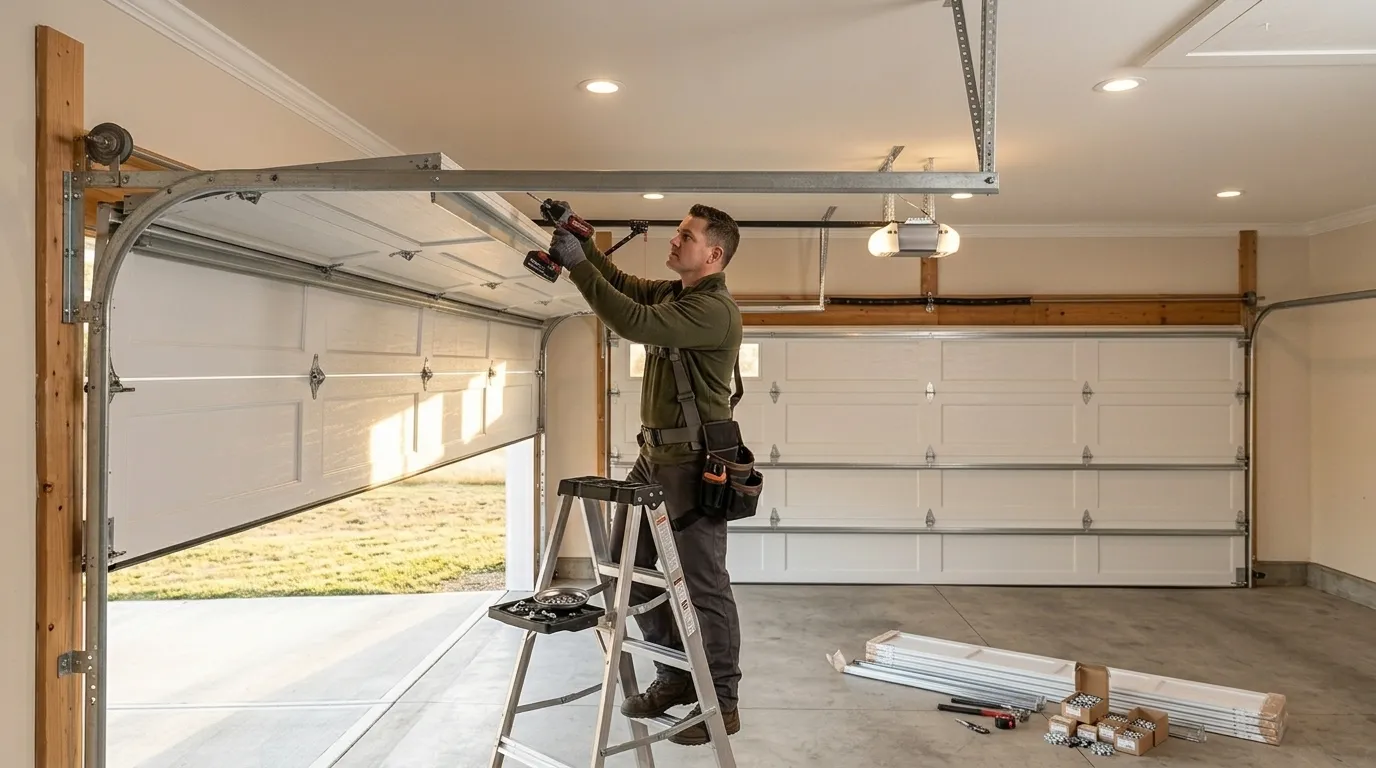
Walk the neighborhoods around Cobb Park, Sears Park, Westwood Richland, and North College and you're looking at housing built mostly in the 1960s and 70s, with the wider service area spanning construction from 1963 to 2003 and a median build year of 1973. That matters more than people think. A door and opener installed when a house went up in 1971 has been through five decades of Texas heat and cold, and the springs, cables, and rollers on that original setup were never meant to last this long. We see a lot of torsion springs that are original to the house, hardened and undersized for what they're carrying now, especially on the double doors common to homes from that era. Newer construction closer to Buffalo Gap or out toward Merkel tends to have younger springs and better-sealed tracks, but even those houses are getting into the age where the first opener motor is due to give out. The short version: age of the house tells you more about what's wrong with the door than anything else on the property.
What Local Conditions Do
The service area has about 4,455 households, with 3,371 of those owner-occupied houses, and a median household income of $63,683. That combination shapes the decisions we see homeowners make. A lot of owners here are weighing a spring repair against a full opener replacement on a door that's original to a 1970s house, and at this income level the math usually favors fixing what can be fixed rather than defaulting to full replacement the first time something breaks. That's the right call more often than not, especially on doors with a sound frame and just a failed spring or worn cable. Where it gets harder is when the door itself, not just the hardware, is the problem, panel warping, a track that's been bent for years and just compensated for, an opener that's the third motor on the same rail. On those jobs, a repair buys a little time but doesn't solve the underlying issue, and we'll say so instead of running up a bill on a door that's on its way out anyway.
What Most People Get Wrong
The most common mistake is treating a slow, noisy door as a lubrication problem when it's actually a spring reaching the end of its life. Oil quiets the noise for a week or two, then the spring goes anyway. The other mistake is assuming every part on a 1970s door is still available off the shelf. Original hardware from houses built in that first wave of Abilene's growth sometimes used bracket sizes and spring gauges that current suppliers don't stock in the exact match, and finding the right part can add a few days to a job that would otherwise be same-day. That's a real limitation, not a sales pitch, and we tell owners upfront when a part has to be ordered rather than promising a fix that isn't in stock. If your house falls in that 1963-to-2003 build range and the door has never been touched, budget for the possibility that the fix takes longer than the phone call suggested.