Booking a Visit
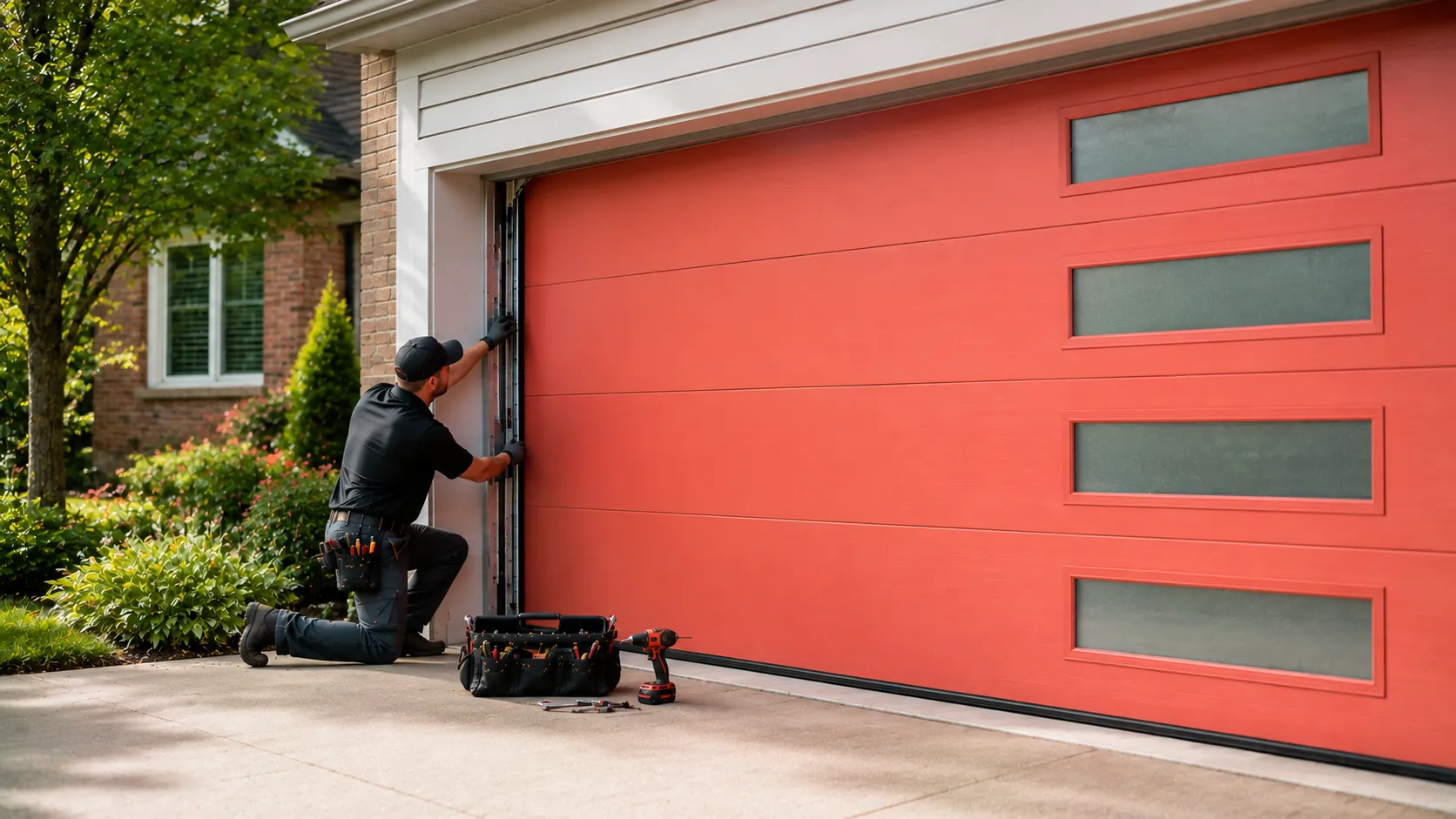
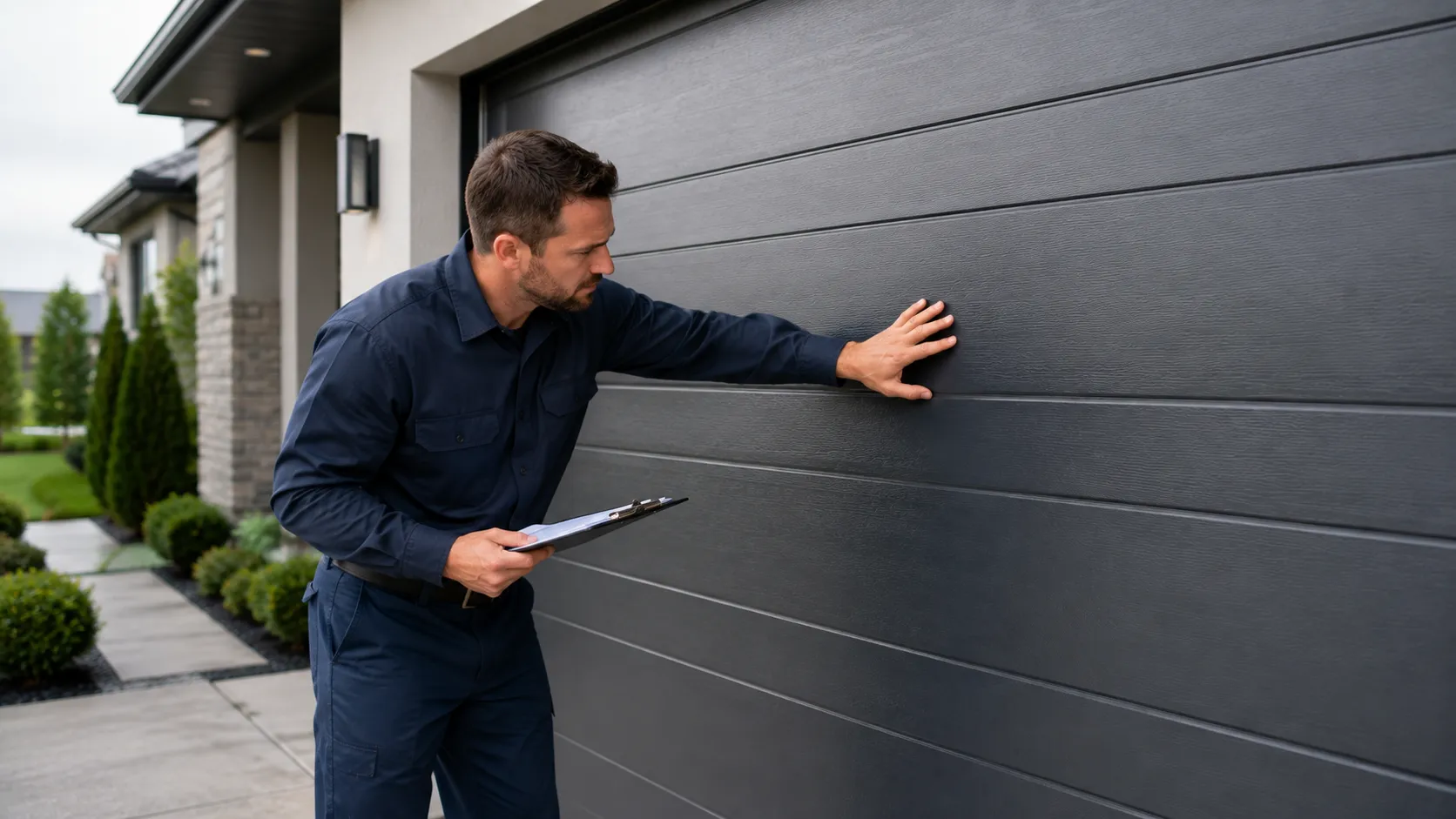
Call and tell us what the door is doing - won't open, stuck halfway, grinding, or just sitting dead on the track. We ask for the make and rough age of the door before we drive out, because parts availability on a door installed in the 1960s or 70s is a different job than one from 2001. We cover the areas close in - Cobb Park, Sears Park, Westwood Richland, North College, North and South E. Hwy 80, Elmwood, Abilene Heights, Lytle, South Treadaway, River Oaks/Brookhollow, Buck Creek, Shirley Road, Park Central, and Chimney Rock - along with Tye, Potosi, Hawley, Buffalo Gap, Clyde, and Merkel further out. If you're not sure your street counts as one of these, ask when you call; we'll tell you straight whether it's a same-day fix or a scheduled one. One limitation worth saying up front: if your door needs a part that hasn't been made in forty years, we may need to source a compatible replacement rather than an exact match, and that can push the timeline out a few days.rn
How It Shows Up
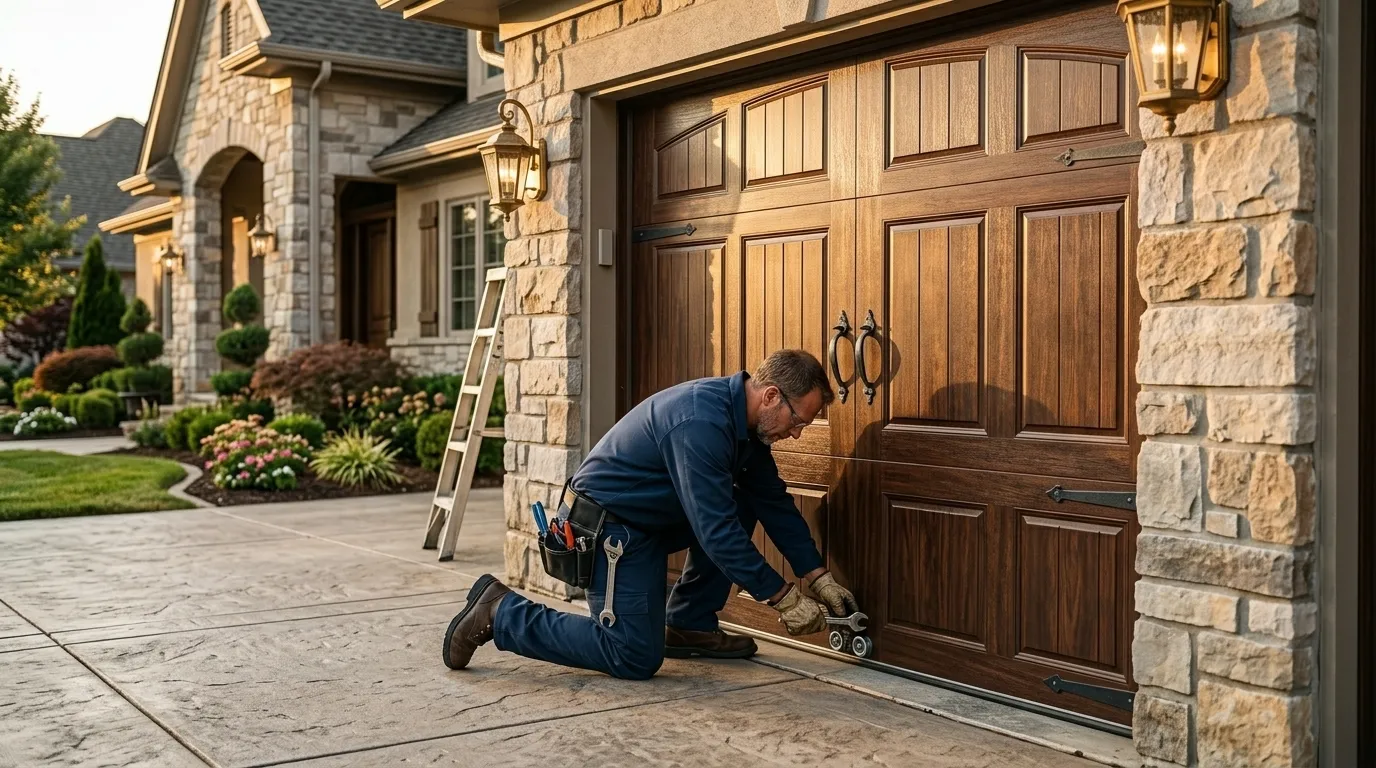
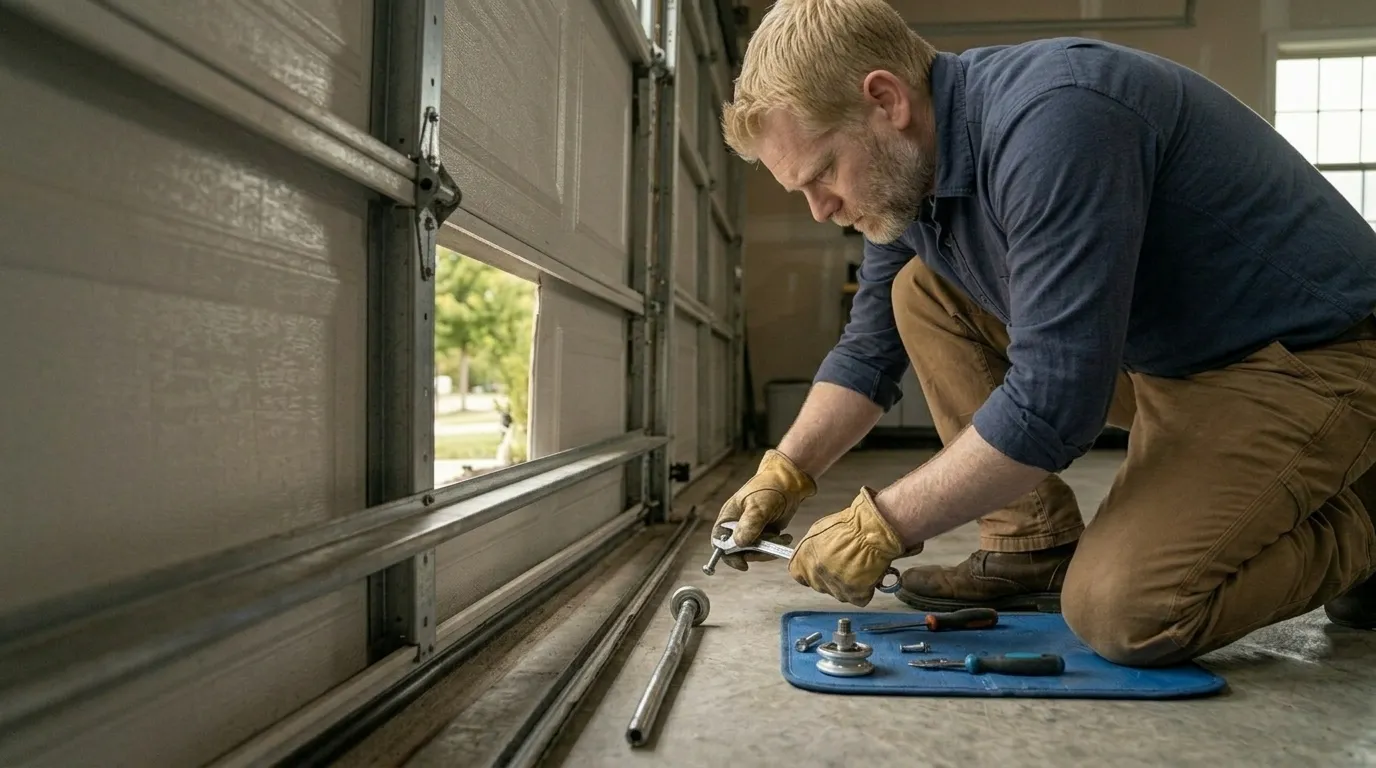
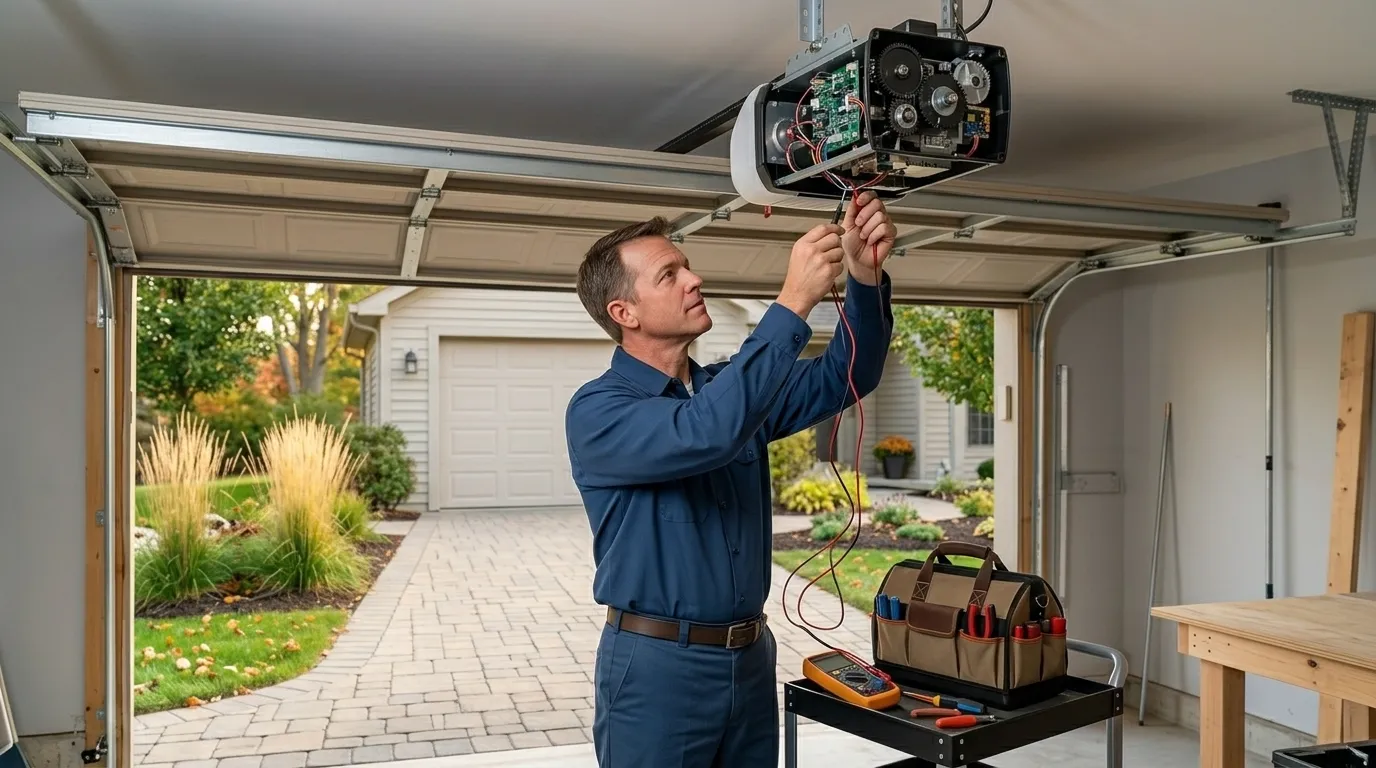
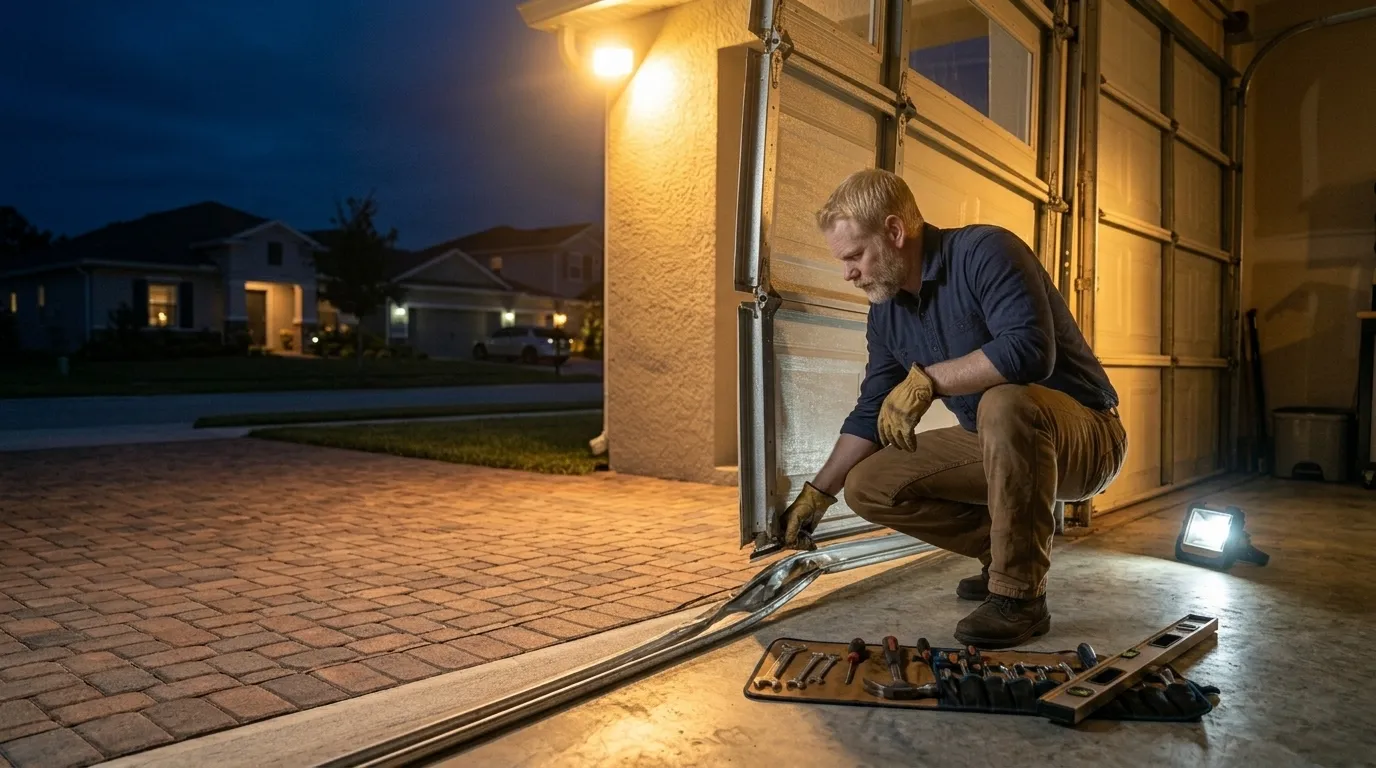
The most common call we get from this older housing stock is a door that won't budge - usually a broken torsion spring, sometimes a snapped cable on one side that leaves the door hanging crooked. Next most common is a door that opens but grinds, shudders, or jumps the track partway up, which on a house from the 1960s or 70s often means the rollers and track are original and have never been replaced. Openers on these homes are frequently a second-generation unit installed sometime after the original door, and when they start straining or reversing on their own, it's usually the door itself fighting a bad spring rather than the opener failing outright. Wood doors in this age range tend to sag at the bottom corner first - you'll see daylight under one side before the other. None of these are emergencies that require a new door; most are hardware failures that show their age on a schedule tied to when the house went up.
What It Costs
We don't post a flat price here because a spring job on a single door is a different cost than a full track and roller replacement on a door that's been fighting its hardware for years. What we can tell you is how we think about it: across the households we serve - 4,455 total, with 3,371 owner-occupied houses - median household income sits at $63,683, and most of the repair calls we get from this area are homeowners choosing to fix the spring, cable, or track rather than replace the whole door. That's usually the right call on a structurally sound door even one built in the 1970s. Where it stops making sense is when the door itself is warped past adjustment or the opener has failed alongside the hardware - at that point we'll tell you replacement is the cheaper path over the next few years, even if the repair quote looks smaller today. We'd rather say that up front than sell a patch job twice.