What Is Going On
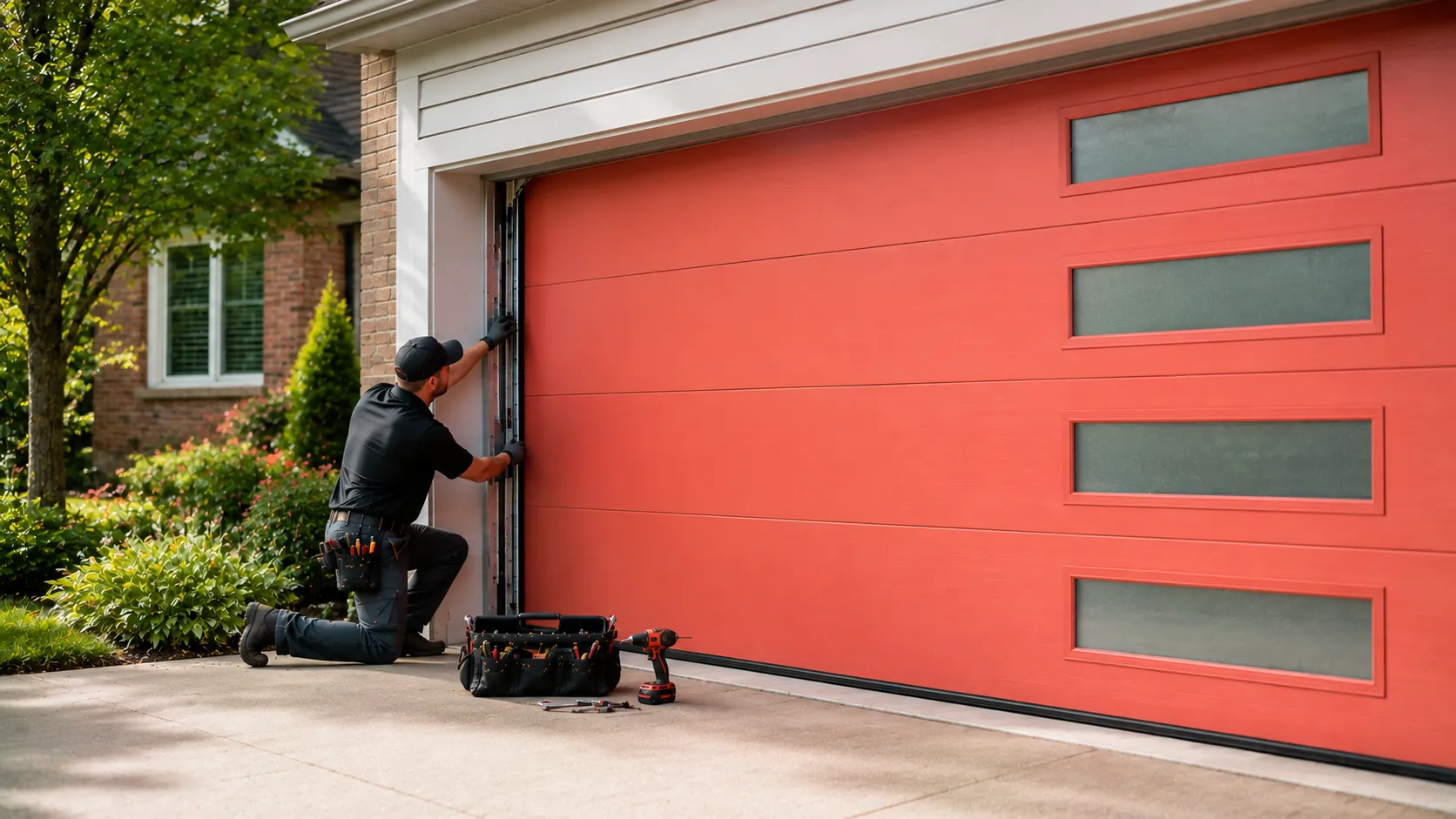
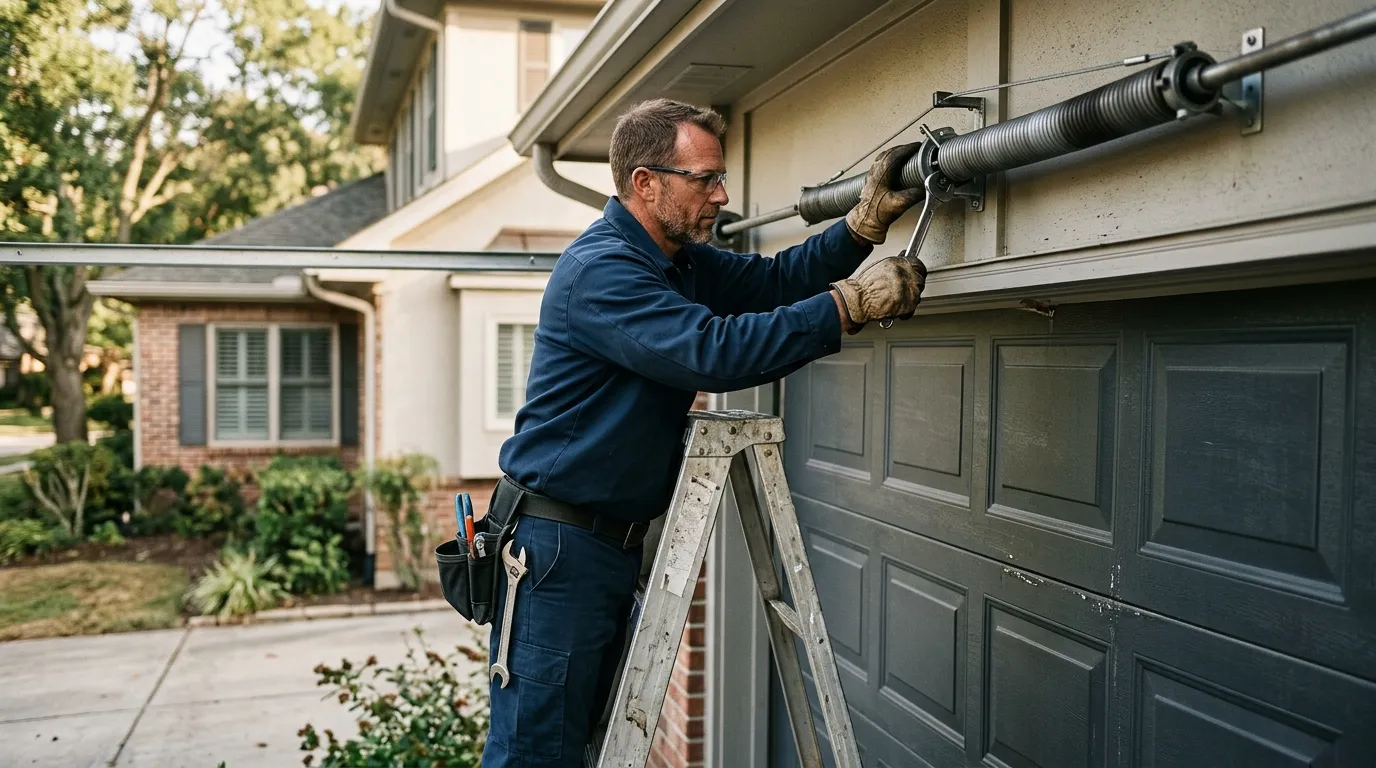
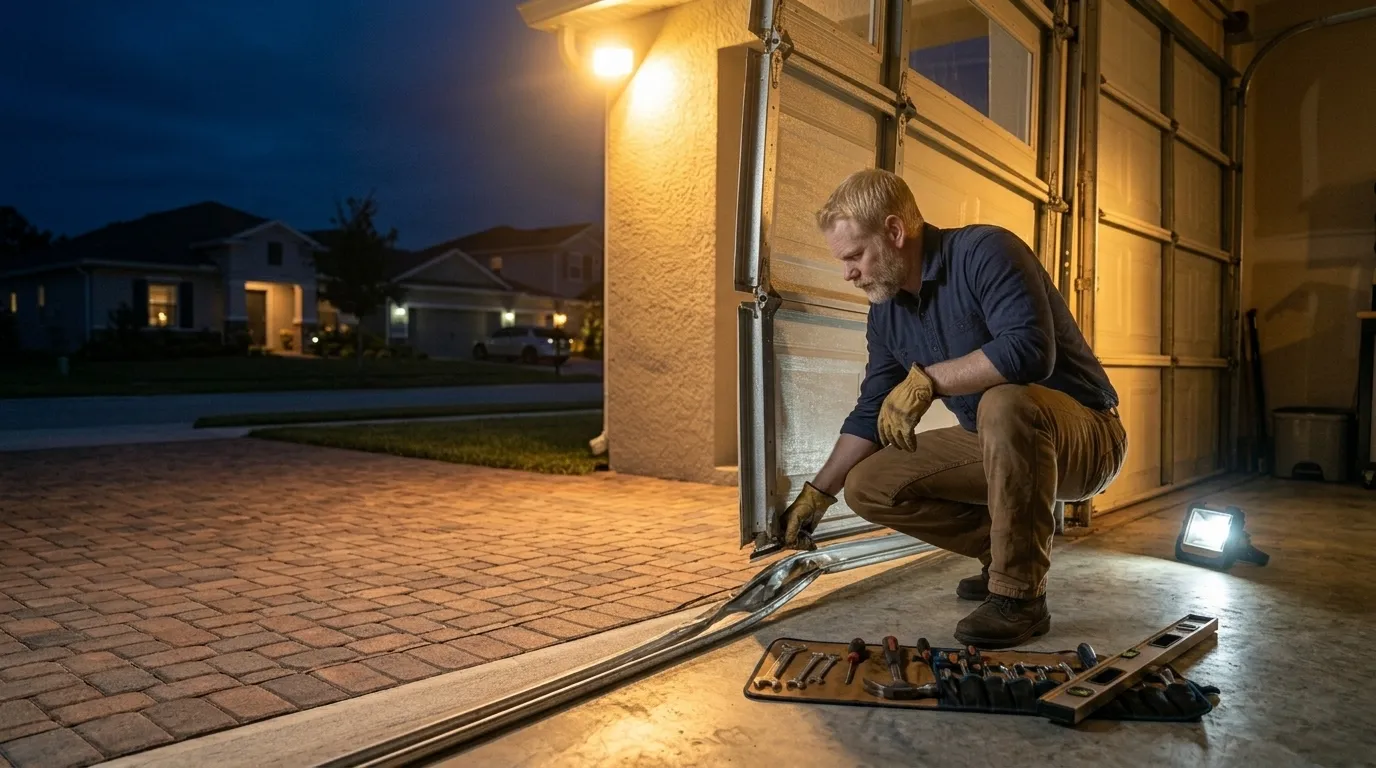
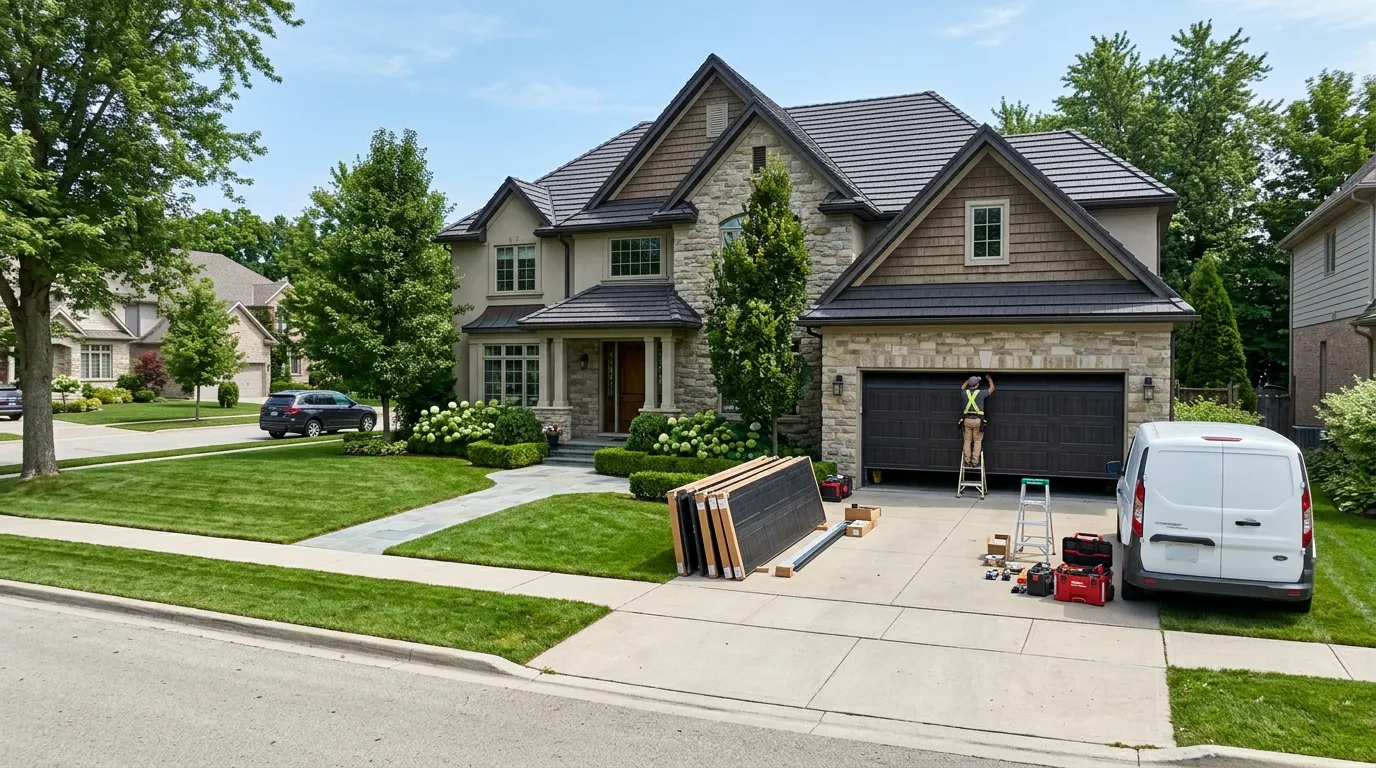
Walk the blocks in Cobb Park, Sears Park, Westwood Richland, North College, or Elmwood and you're mostly looking at houses built between 1963 and 2003, with the typical one going up around 1973. That's true across the six named pockets of older stock in this service area, not just one neighborhood. A door installed with the house, or even a replacement put in during a remodel decades back, is now old enough that its hardware, springs, and opener motor are past the point where parts are easy to source. We get calls where the customer assumed a rough-running door meant a new unit was the only option. Sometimes that's right. Often the track is bent, the rollers are shot, or the spring is undersized for the door weight - all fixable without touching the panels. The decision isn't about the door's age alone, it's about which part failed and whether that part is still made. A torsion spring is almost always replaceable regardless of door vintage. A proprietary opener logic board from a defunct brand is a different story, and that's where repair stops making sense.
What Local Conditions Do
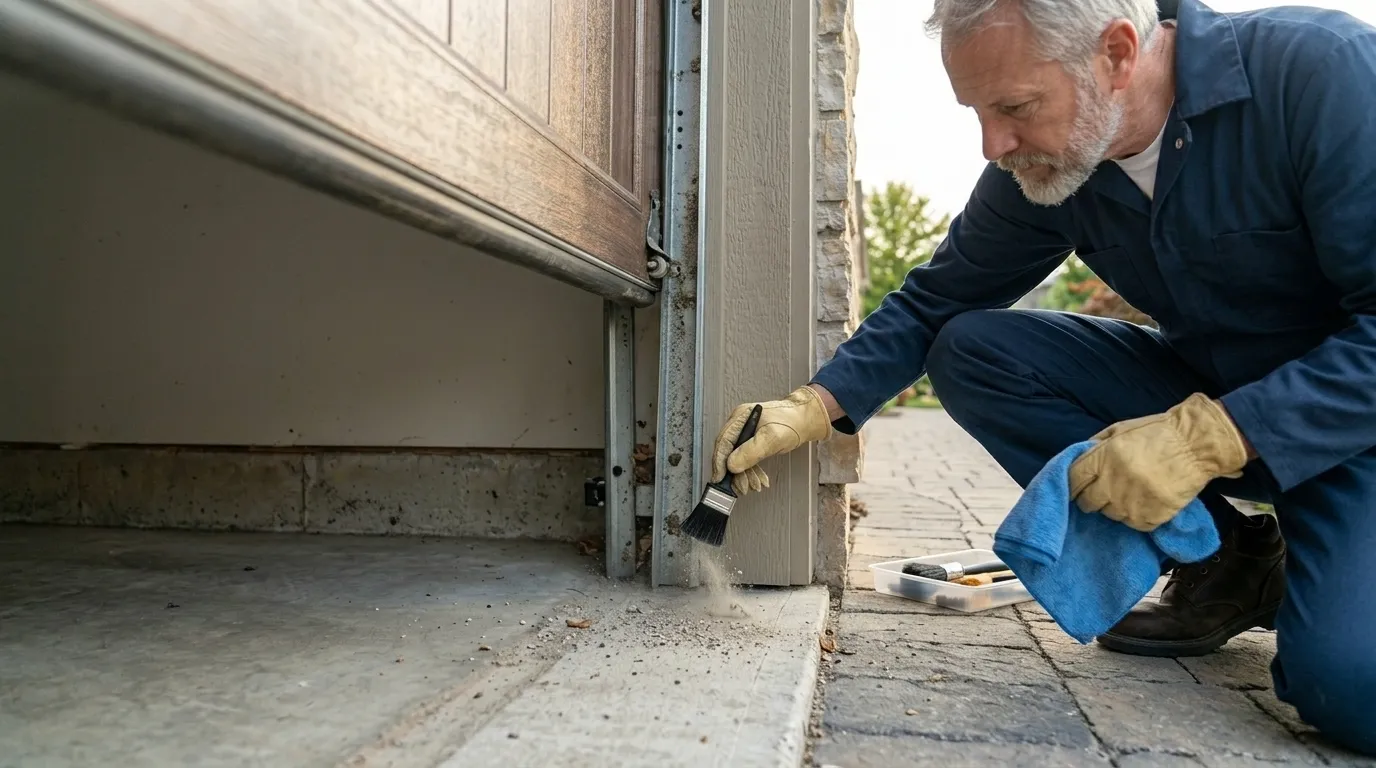
With roughly 4,455 households and 3,371 owner-occupied houses spread across this area, a meaningful share of the original doors and openers from that 1963-2003 building wave are still out there, still running, and still aging. That's not unique to one street - it shows up from the Lytle Area down through South Treadaway and out to River Oaks/Brookhollow, wherever the housing dates to that same window. What that combination of age and climate band does in practice: torsion springs rated for a specific door weight lose tension faster after 20-plus years of temperature cycling, and steel panels without insulation flex more with each swing, which loosens hinges and stresses the track alignment. A door that's been fine for forty years can still fail on a normal Tuesday - it's cumulative wear meeting one more cold snap, not a sudden local event. That's the honest version of what's going on, and it's why an inspection before a full replacement quote is worth the time.
What Most People Get Wrong
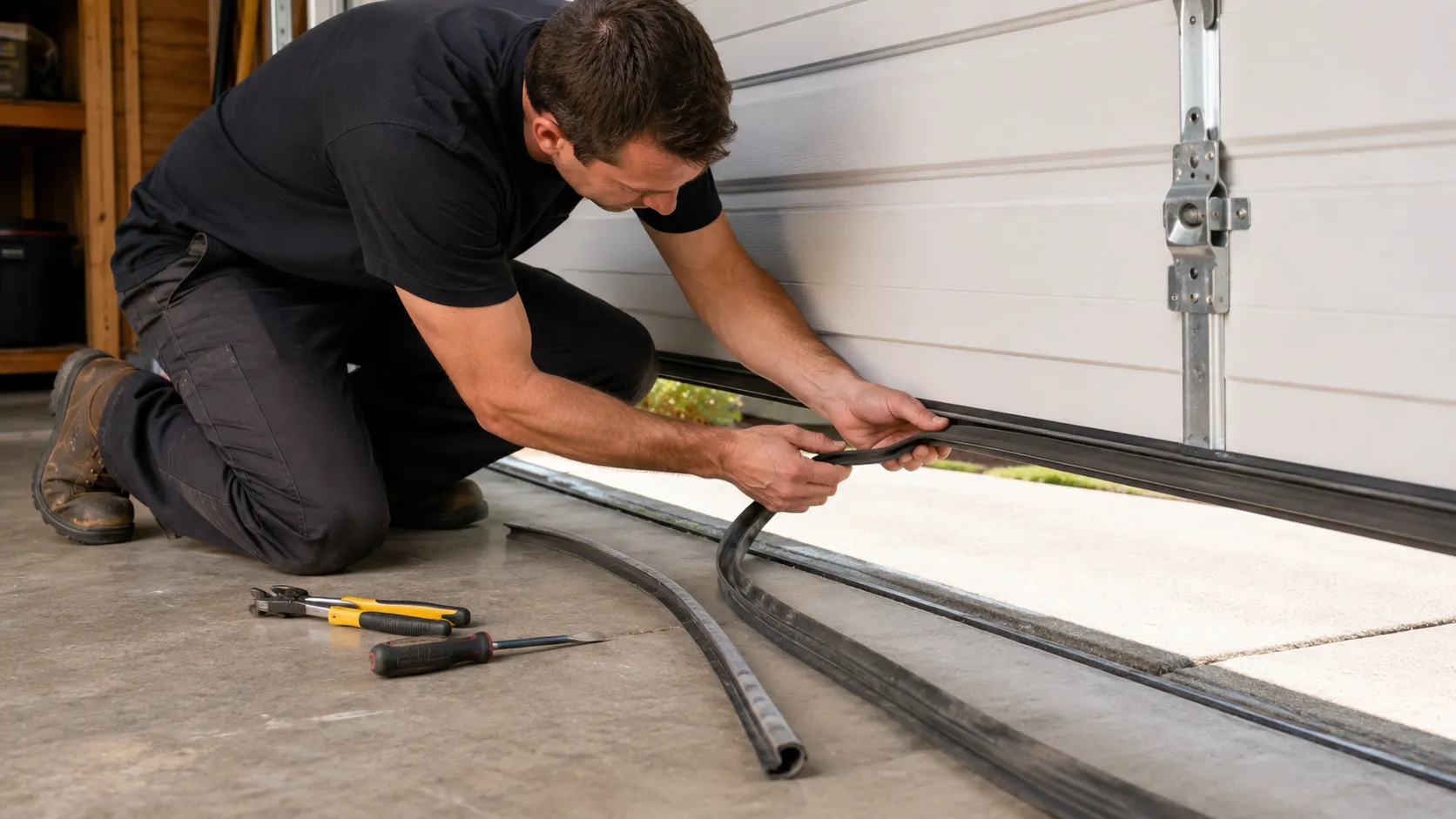
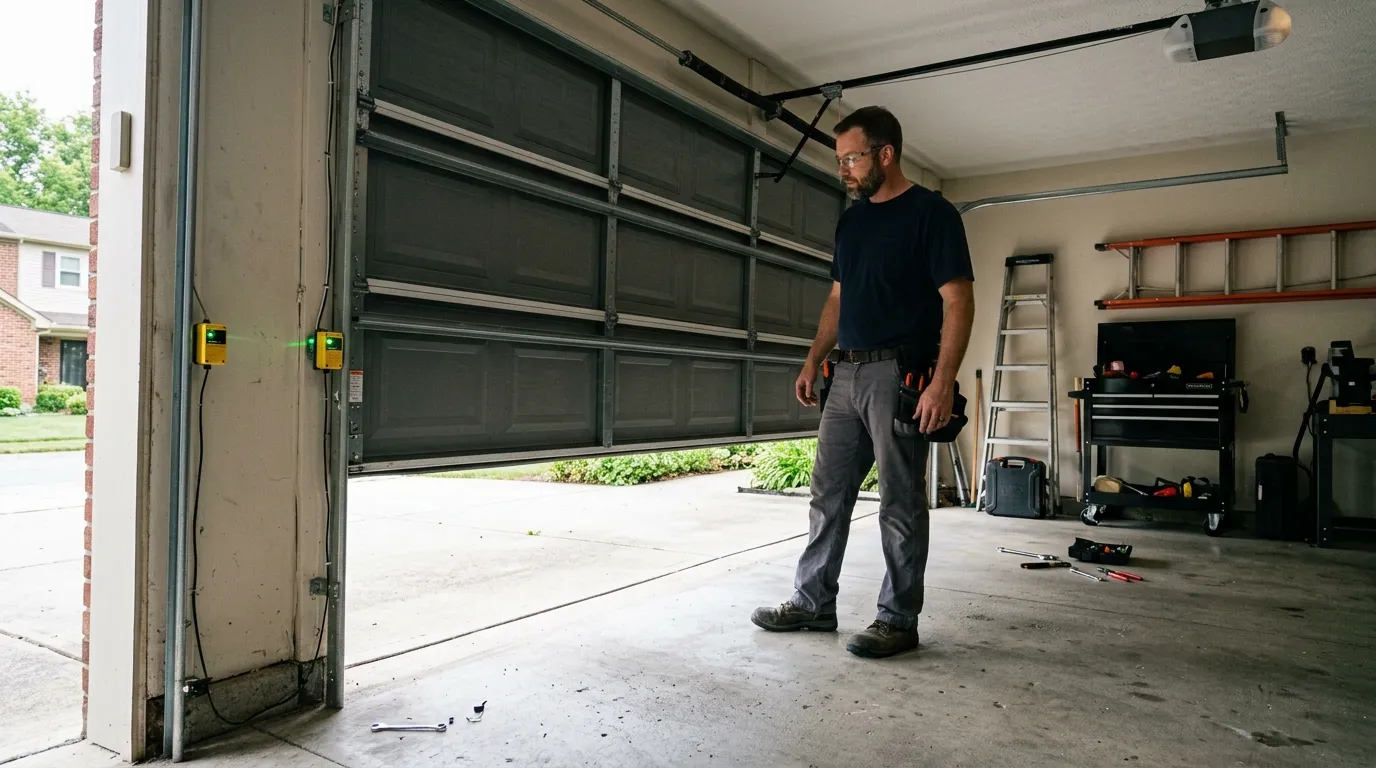
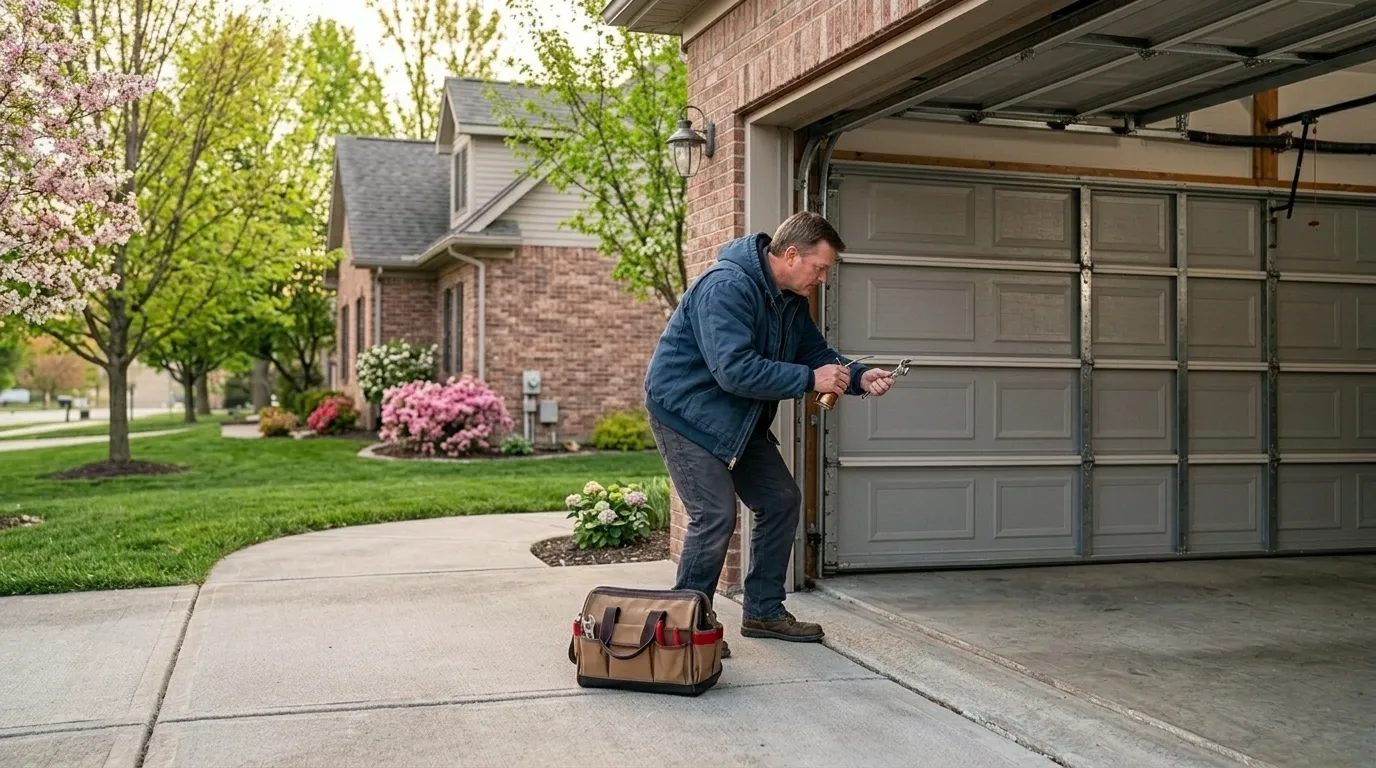
The most common mistake we see is treating every noise or slow response as proof the whole door needs to go. A bent track, a cable off its drum, or a worn roller are all repairs, not replacements, on a door of any age. The second mistake runs the other way - patching a door that's structurally tired because the repair bill looks smaller today. At a median household income of $63,683 in this area, that tradeoff matters more here than it would somewhere with more room in the budget, so it's worth getting a straight answer instead of guessing. Here's the limitation we're upfront about: if your opener or spring assembly is from a discontinued line and the specific part isn't made anymore, we're not going to pretend we can order it - at that point replacement is the honest recommendation, not a sales pitch. Anywhere the parts still exist, fixing the door is usually the cheaper, faster call.