Where This Is
River Oaks/Brookhollow sits about 3 miles southwest of downtown Abilene, one of the closer-in neighborhoods on that side of town. You're inside the ring of named areas that surround the center - Elmwood Area sits closer in at 2 miles WSW, and Park Central Area is just beyond at 4 miles SW. South Treadaway Area is roughly 3 miles due south, about the same distance out as River Oaks/Brookhollow itself but on a different bearing. We don't have street-level landmarks for this pocket of town, so we're not going to pretend we do - we know it by its place on the map and by the age of the houses in it, which tells us most of what we need before a truck even shows up. If you're calling from this side of Abilene, that's the neighborhood we mean when we say River Oaks/Brookhollow.
What the Doors Are Like
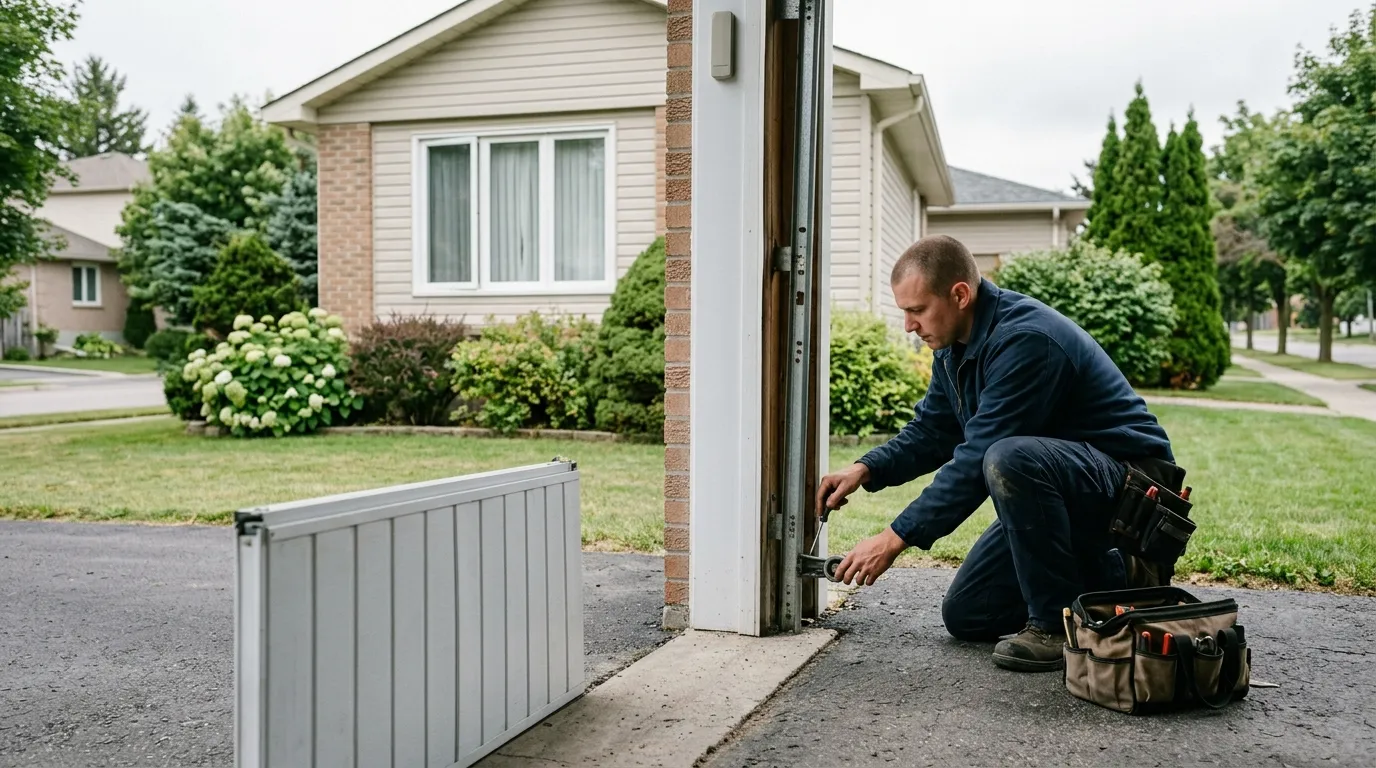
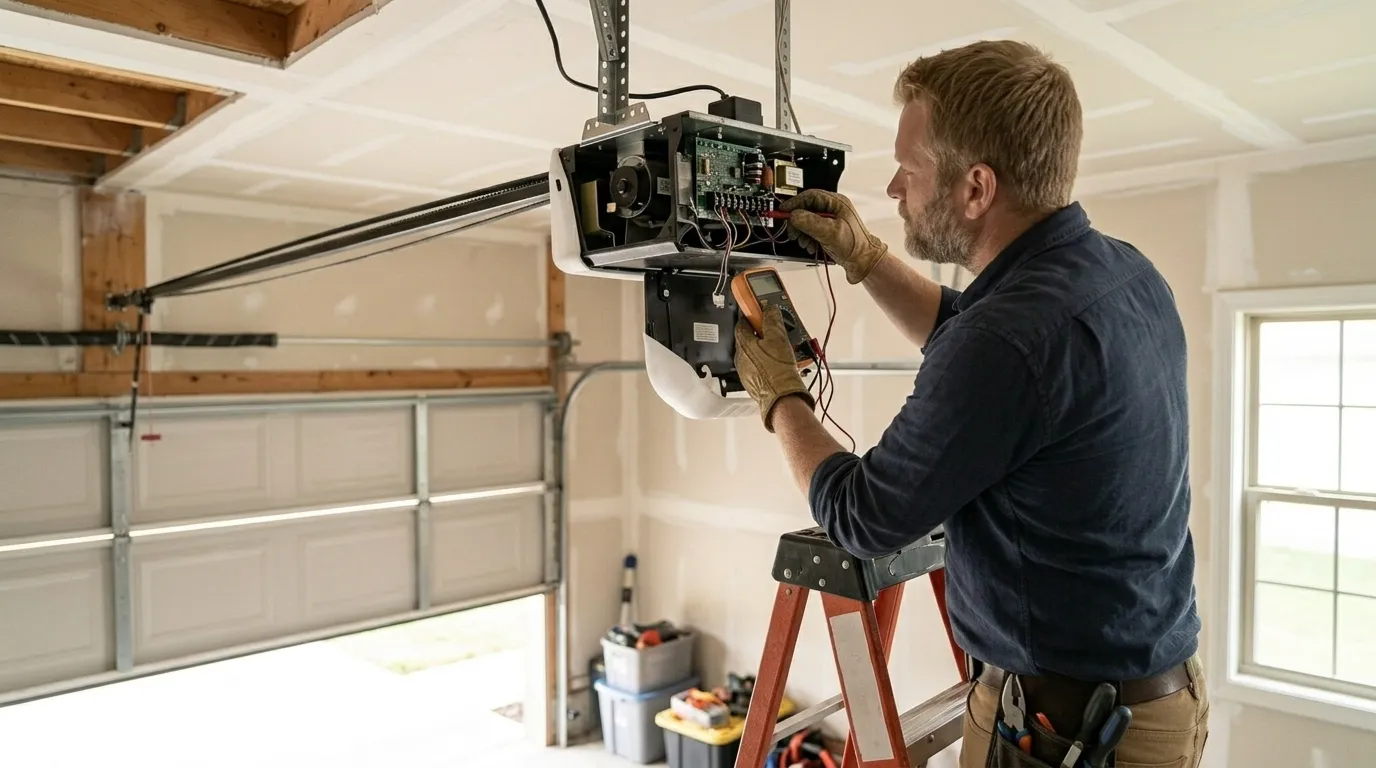
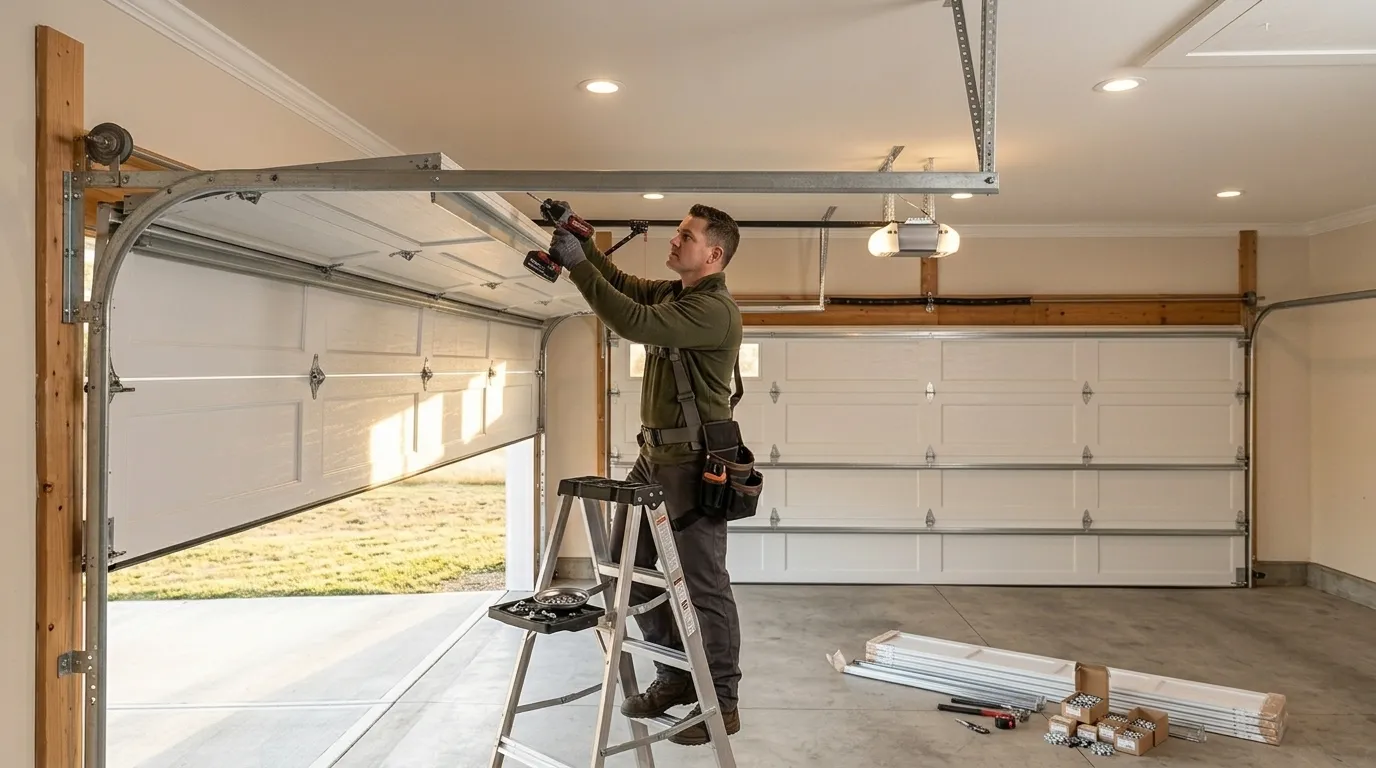
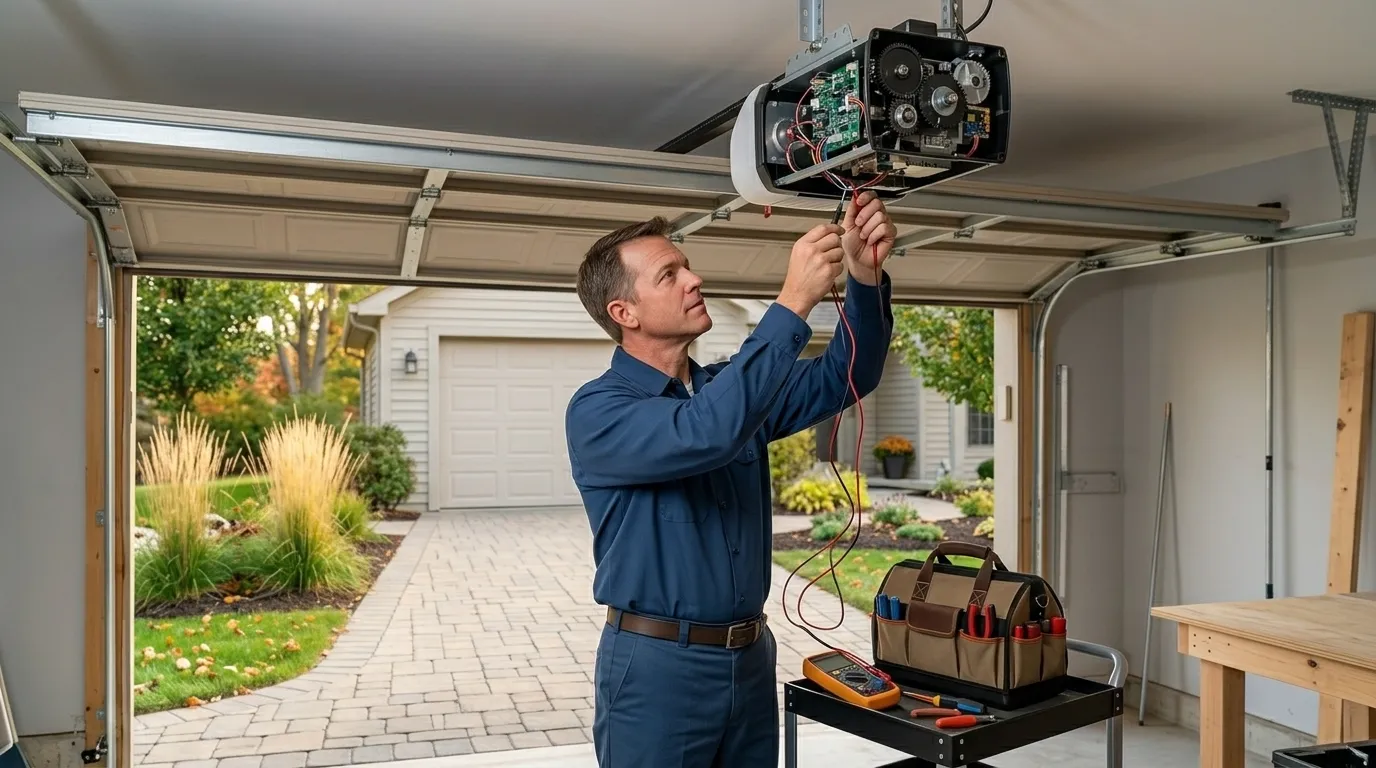
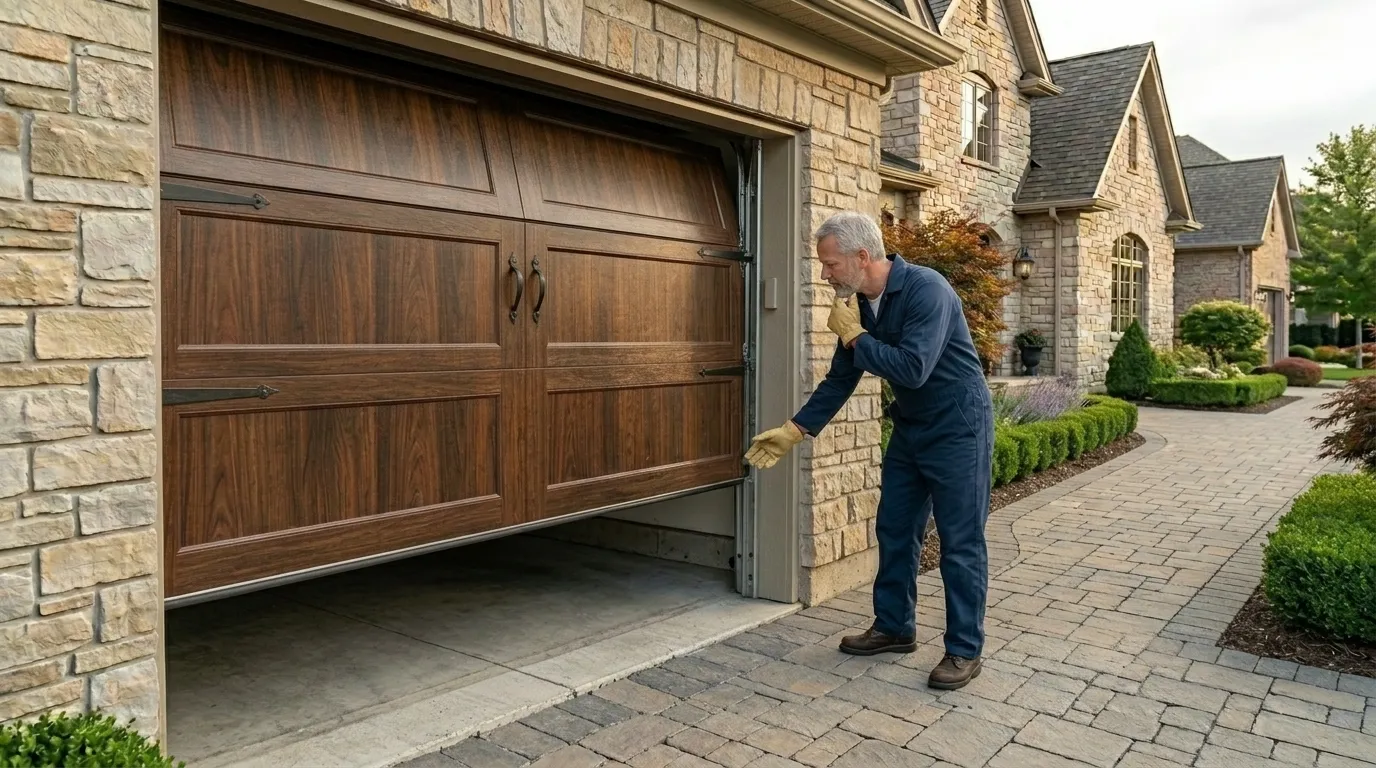
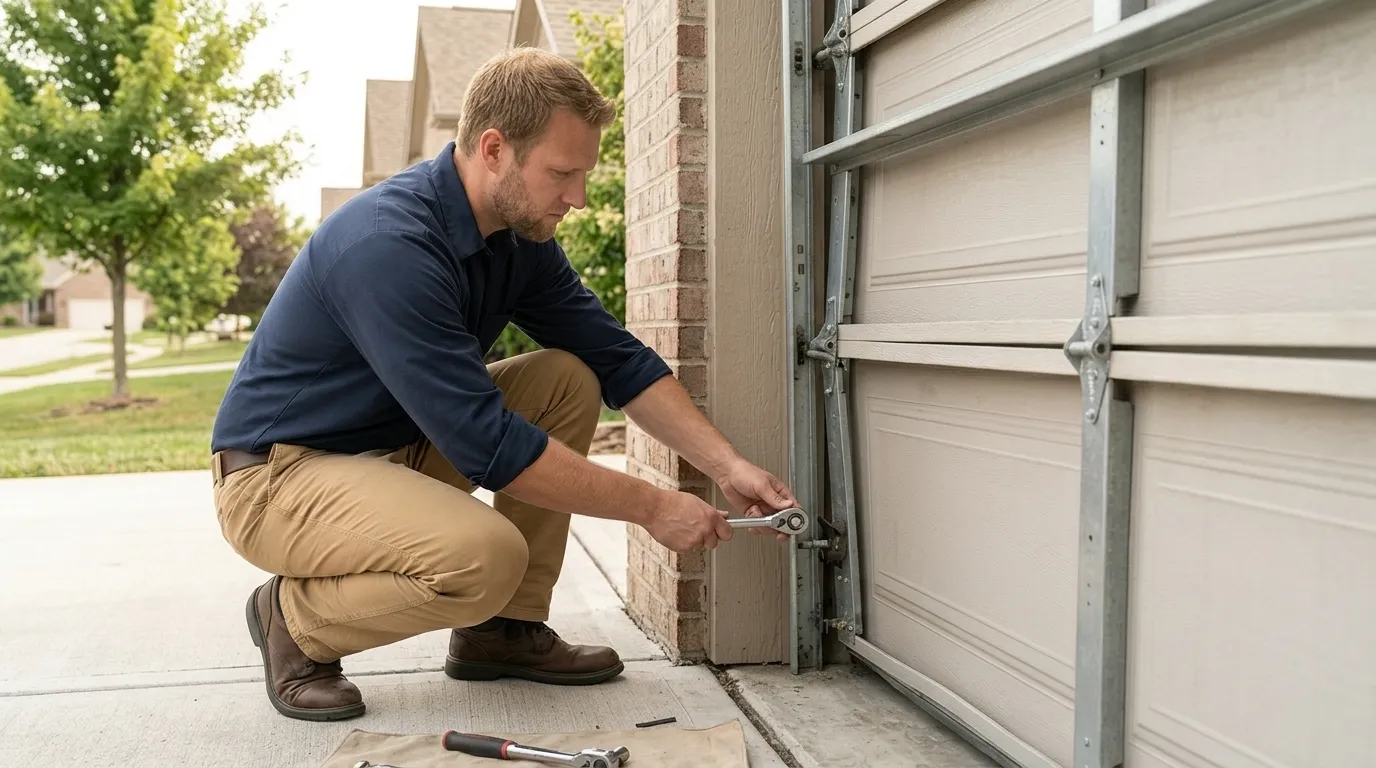
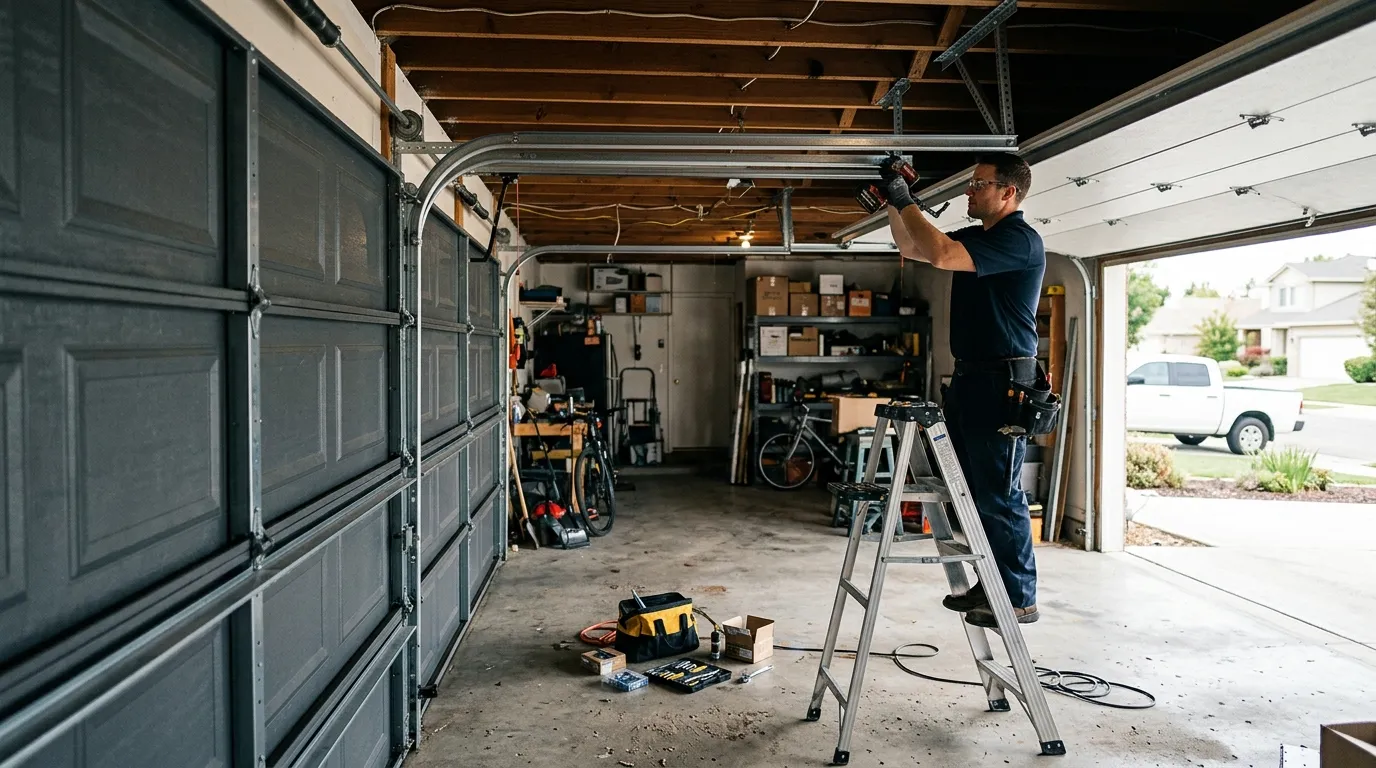
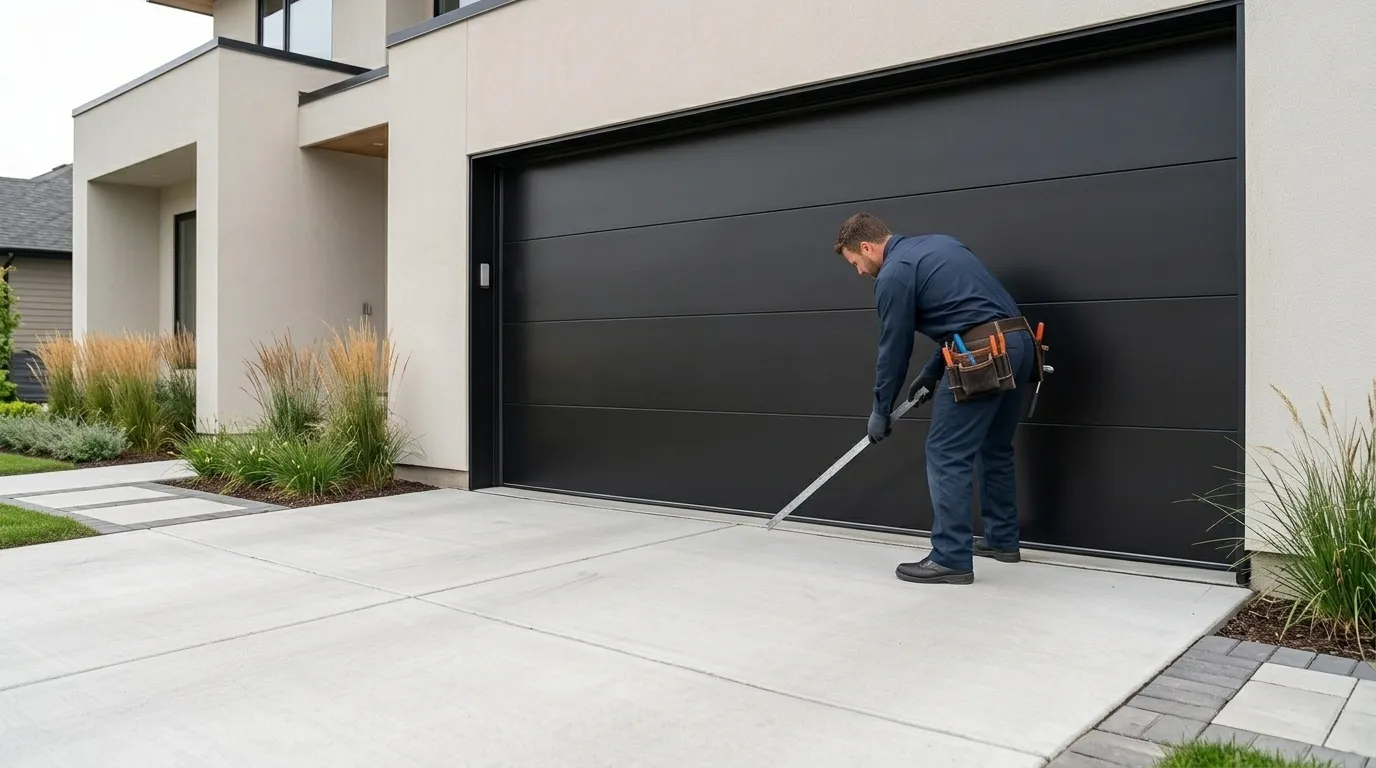
Most of what we find on these streets is what you'd expect from a house built between the 1960s and the early 2000s: steel sectional doors, some non-insulated, hung on torsion springs mounted above the opening rather than the older side-mounted setups you'd see on much older stock elsewhere. Panels from the 1970s and 80s tend to be single-layer steel with painted finishes that have usually been repainted at least once. Openers vary more - a house that's changed hands a few times often has a newer chain or belt-drive unit bolted to an older rail, which is fine mechanically but means the safety reversal system may be a different generation than the door hardware it's paired with. We don't stock every obsolete panel style from this era, and if a specific 1970s panel is discontinued, replacing the full section can take longer than the repair itself - that's a lead-time issue we're upfront about rather than a repair we can rush.
The Housing Here
Housing across this part of Abilene mostly went up between 1963 and 2003, with the typical build year landing around 1973, and this stretch of town leans toward that 1960s-70s wave rather than the newer end of the range. Across the wider service area there are 4,455 households, and 3,371 of those are owner-occupied houses - meaning most of the doors we're servicing belong to people who've owned the place a while, not landlords cycling through tenants. Median household income across the area runs $63,683, which tracks with what we see in the field: owners who want a door fixed right rather than swapped out at the first sign of trouble, and who ask sensible questions about whether a repair or a full replacement makes more sense for a door that's outlived its original hardware.