Booking a Visit
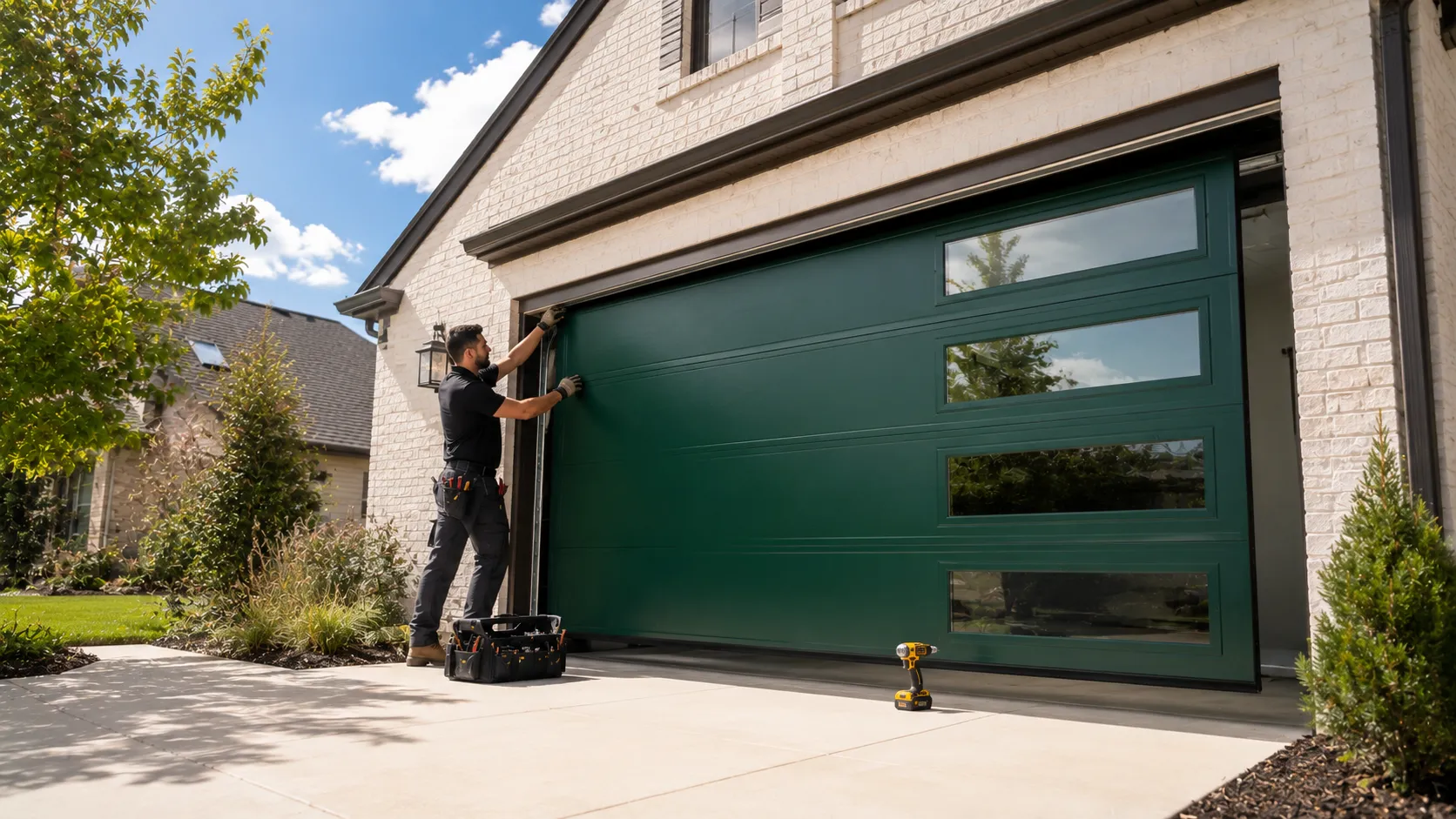
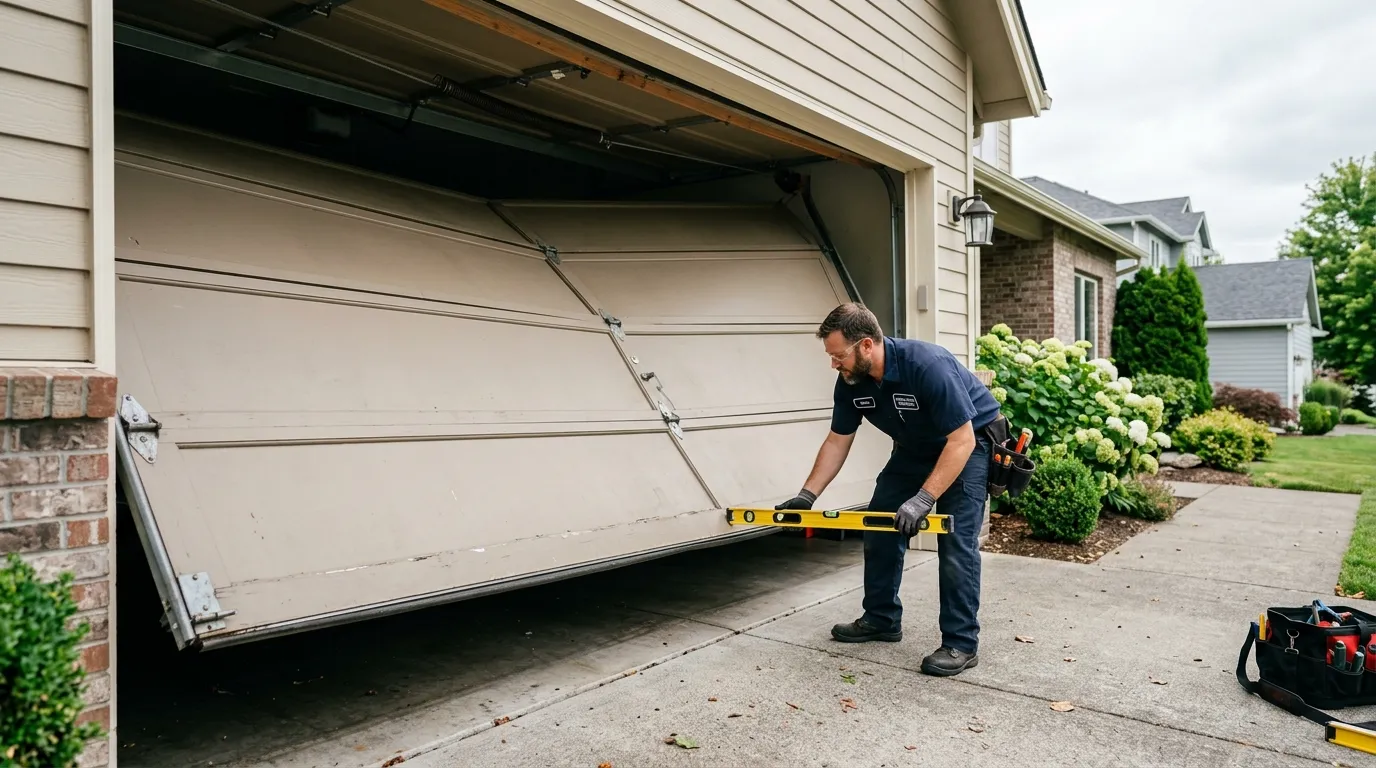
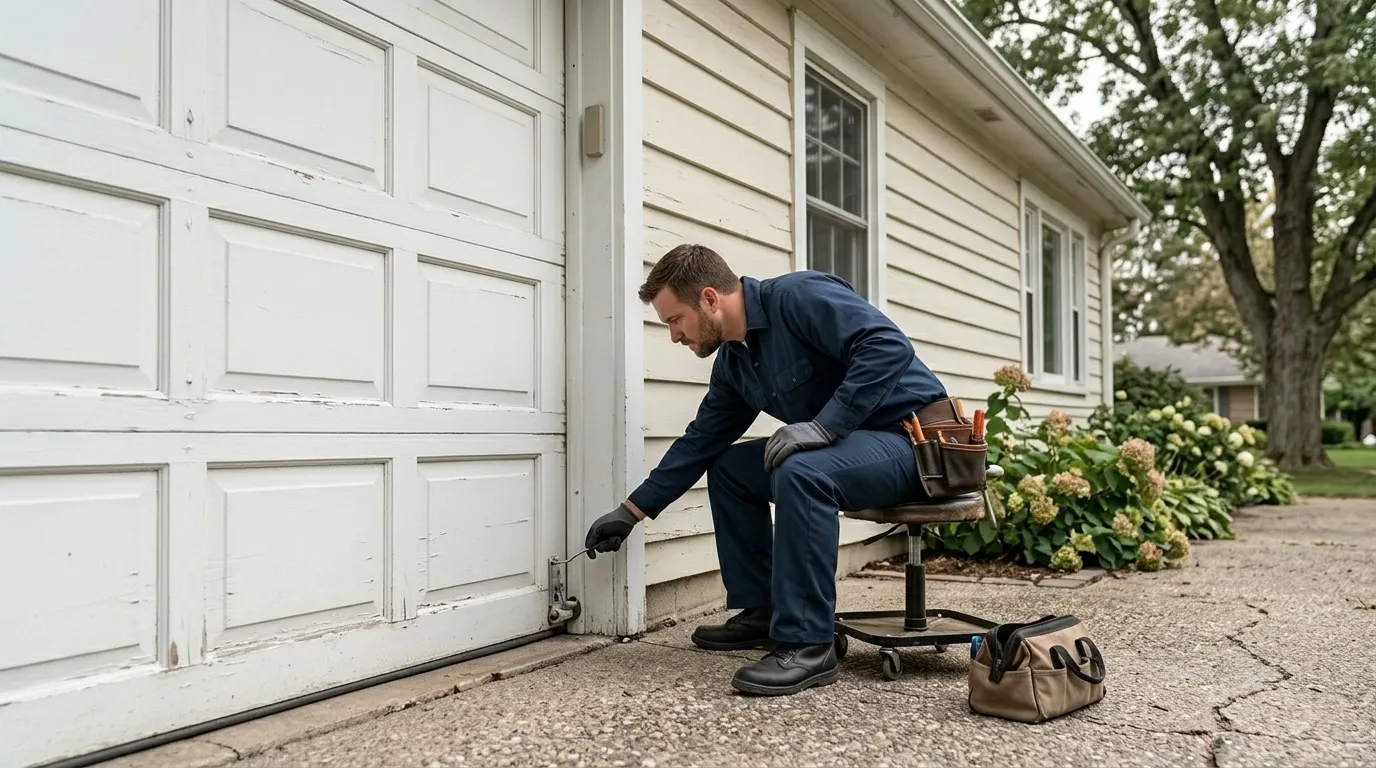
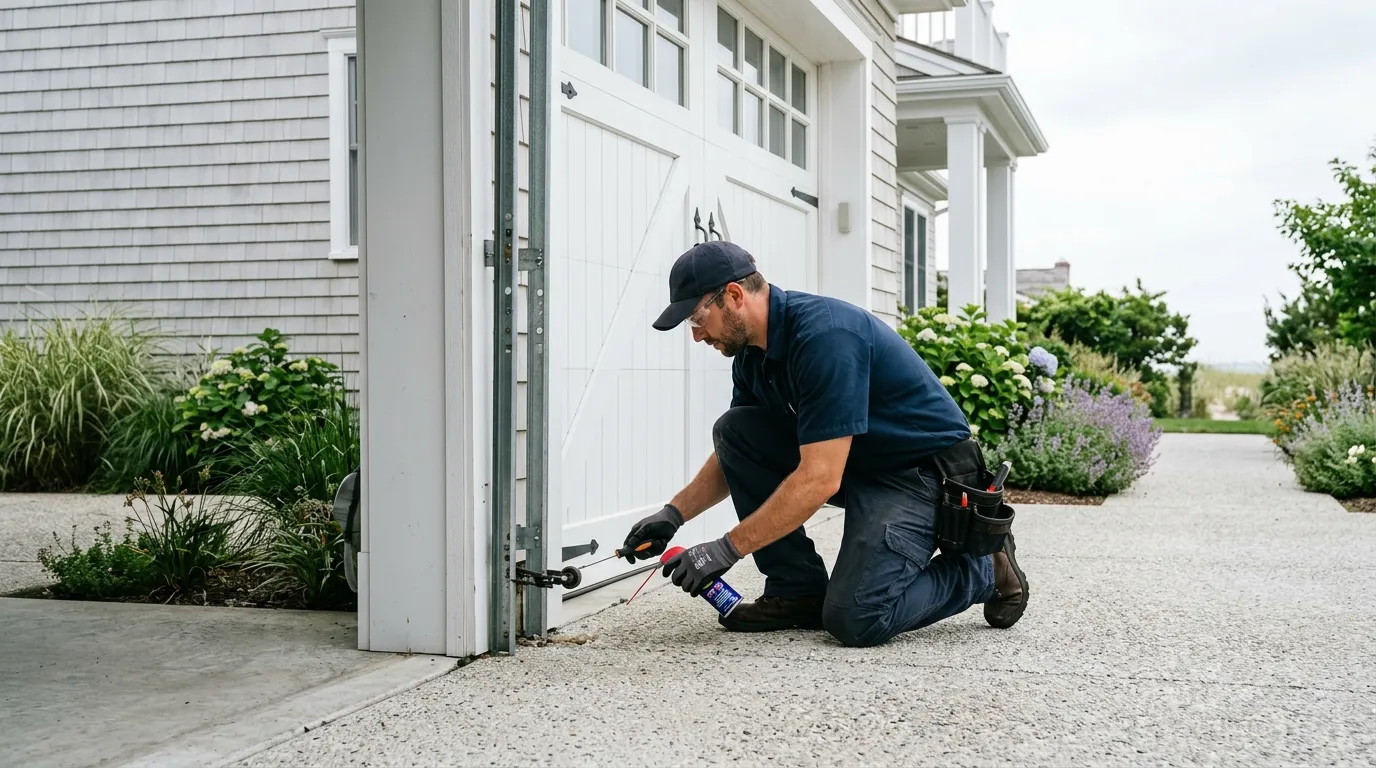
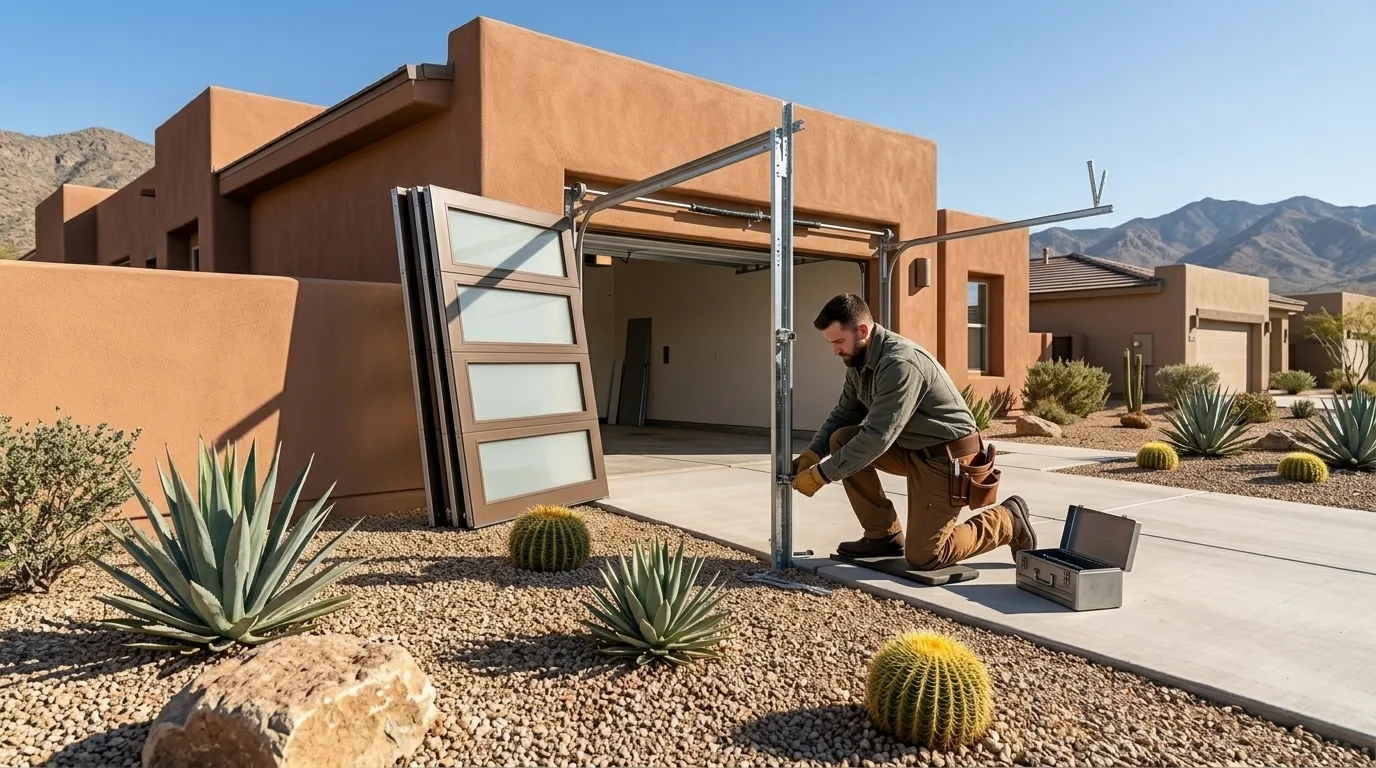
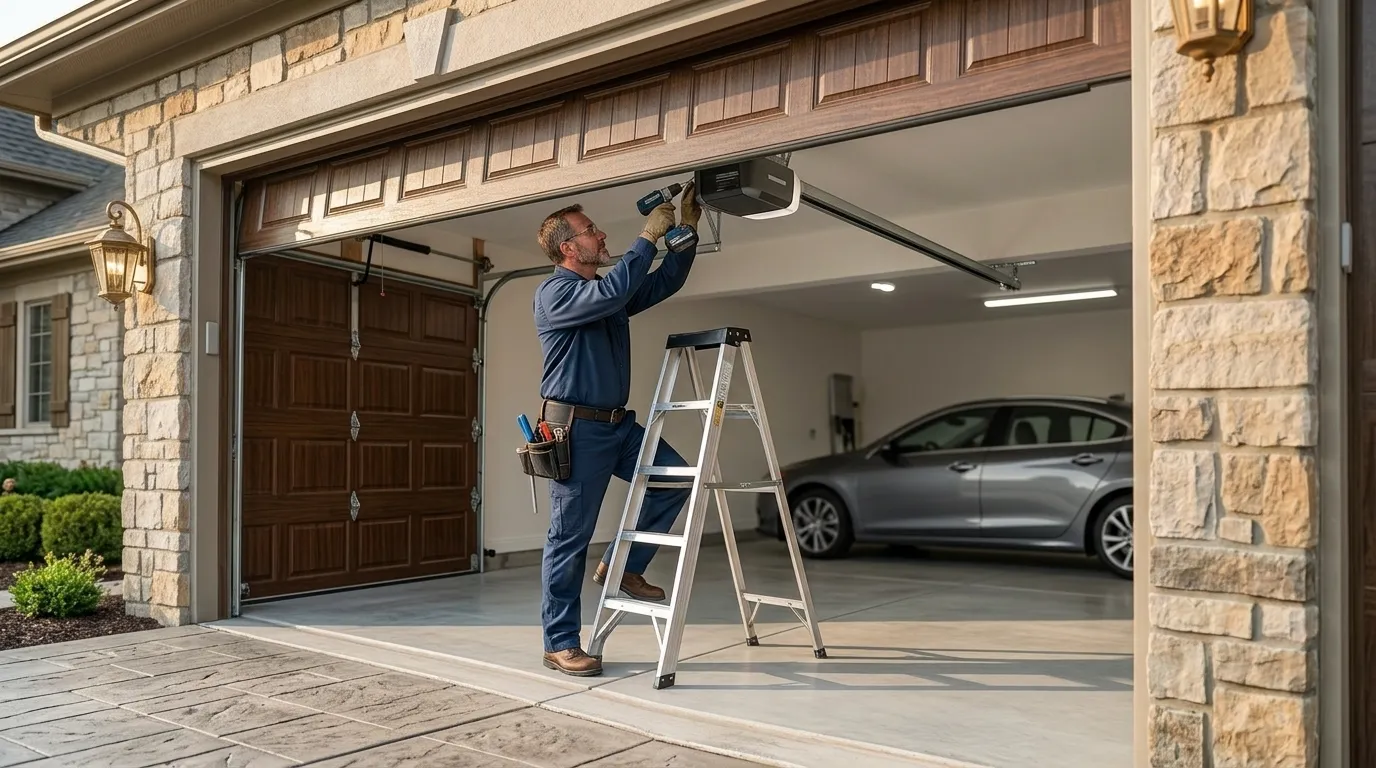
We come out, measure the opening, and look at what's actually holding your current door up before we talk about a replacement. That matters here because a lot of houses on the near side of town - Cobb Park, Sears Park, Westwood Richland, North College - still have the original framing from the first build, and a new door has to fit that opening, not a catalog size. We cover the service area out to Tye, Potosi, Hawley, Buffalo Gap, Clyde, and Merkel, along with the closer-in neighborhoods like Elmwood, the North and South Hwy 80 corridors, Abilene Heights, Lytle, South Treadaway, River Oaks/Brookhollow, Buck Creek, Shirley Road, Park Central, and Chimney Rock. On the visit we check the track alignment, the header clearance, and whether the existing opener wiring can be reused or needs to be run new. We'll give you a written quote before any work starts - no verbal number that changes once the truck is unloaded. If your opening is out of square or the header's been shimmed over the years, we say so up front, because that adds labor the quote has to reflect. We don't rush this part. A door ordered to the wrong width sits on a truck for weeks waiting on a reorder, and that's a worse day for everyone than a slightly longer first visit.
How It Shows Up
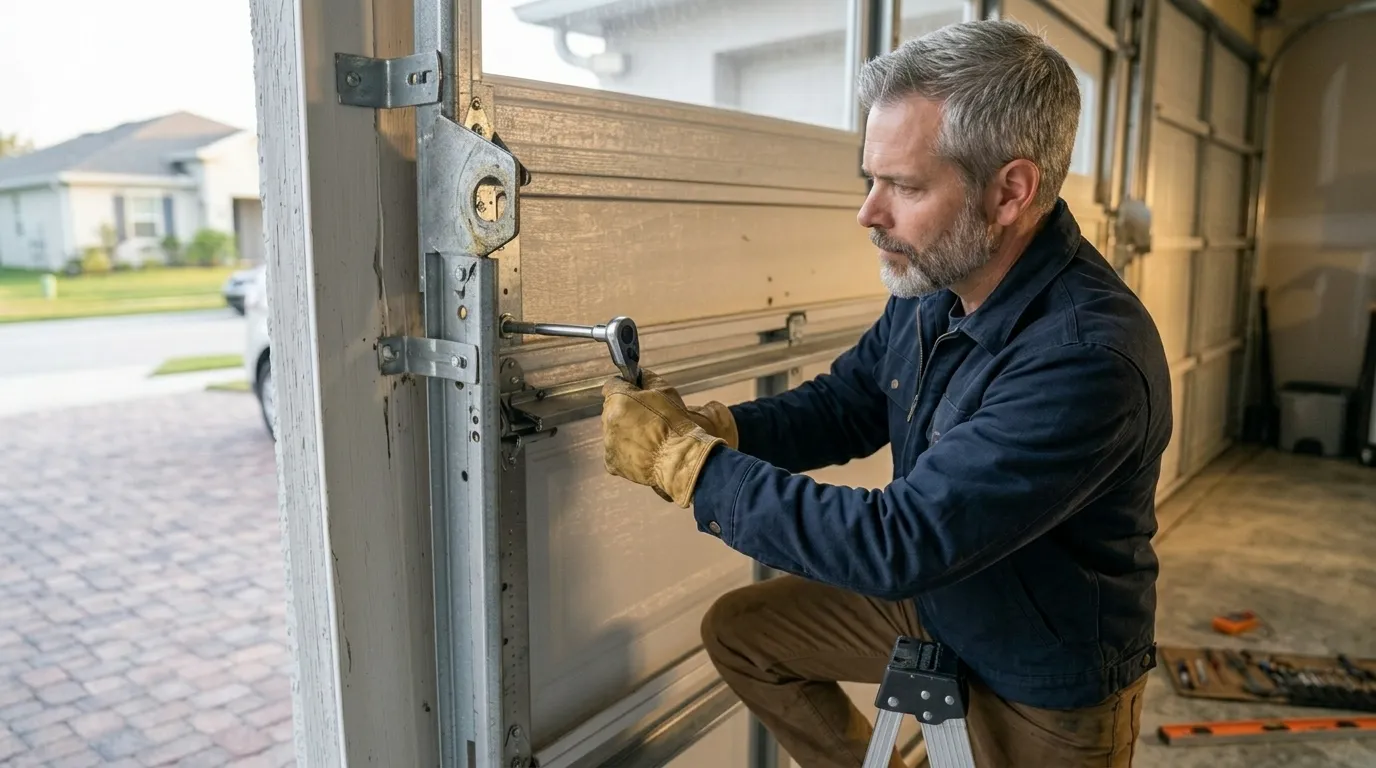
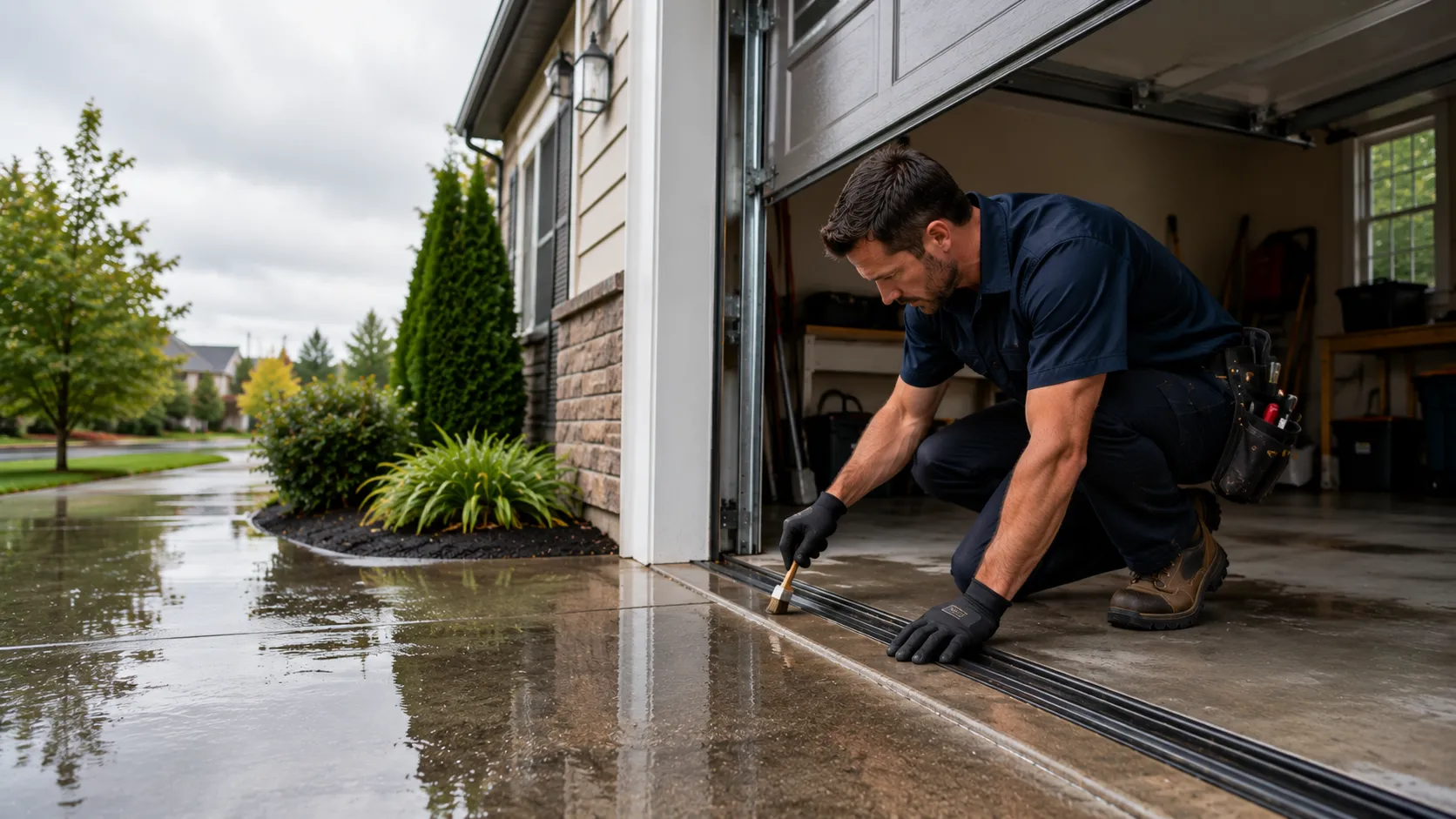
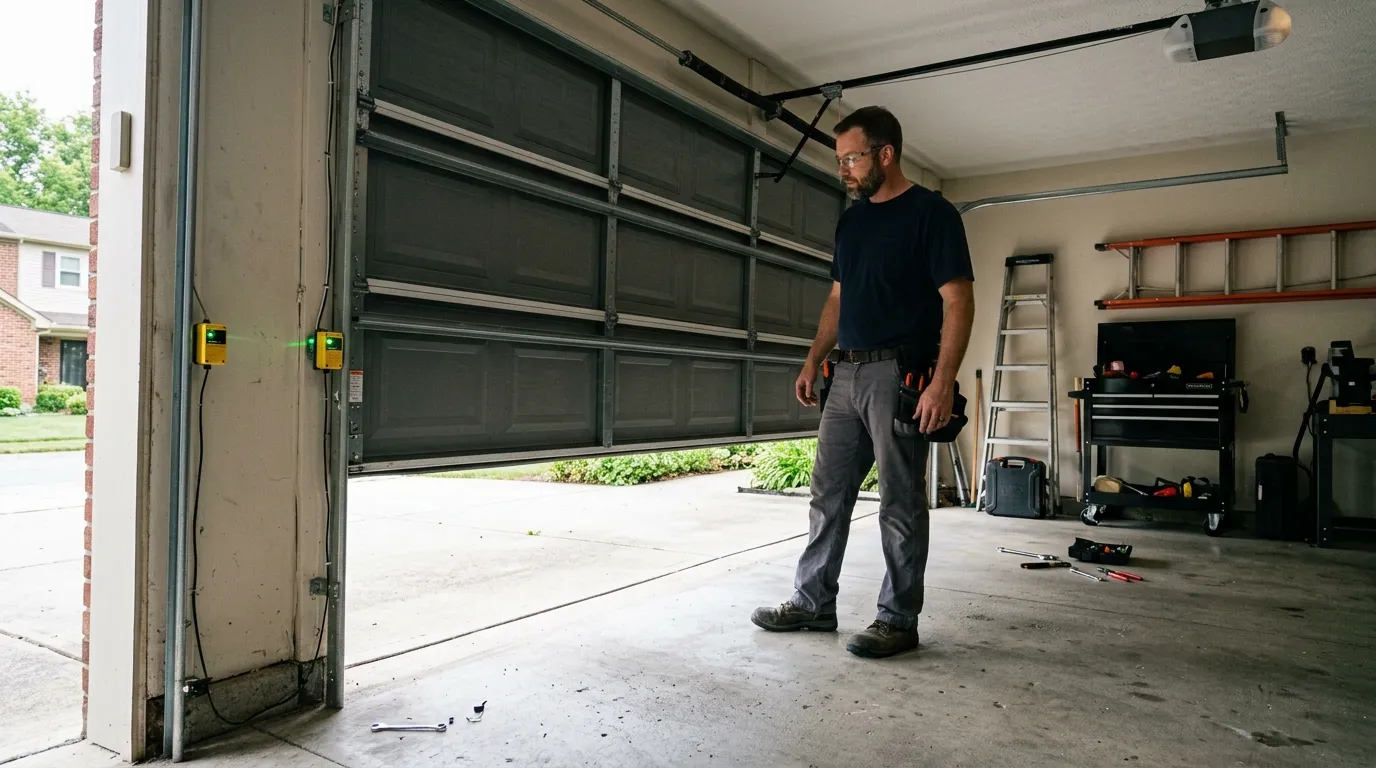
On an older Abilene house, the tell isn't always a dead door. More often it's a door that still opens but drags on one side, or an opener straining on cold mornings because the panel's uninsulated steel has gone stiff and heavier than what the motor was ever set to lift. We also see track spacing that was fine for a lighter original panel now flexing under a homeowner's DIY insulated retrofit - the door works, but it's fighting the hardware every cycle. Weatherstripping on these older frames has usually hardened past the point of sealing, which in a cold-moderate climate means a visible gap of daylight at the bottom corners, plus the added heat loss most owners never connect back to the garage door itself until we point it out. Sometimes it shows up as noise - a low-pitched grind from a roller and track combination that was never matched to begin with, installed by whoever did the last job cheap. None of this means catastrophic failure is coming next week. It means the door is running past its intended design life, and a full install resets the whole system - door, track, spring, opener - instead of patching one piece at a time.
What It Costs
We don't publish a flat number for installation because the two biggest cost drivers - opening size and what's currently there - vary house to house, especially on the older stock common here. A straightforward swap into a squared 1973-era opening costs less than one where the header needs rework or the track spacing has to be corrected for a heavier insulated panel. What we can tell you is that every quote is written after the in-person measure, not guessed over the phone, and it breaks out door, hardware, and labor separately so you can see what you're paying for. One honest limitation: if your opening is badly out of square or the framing's been altered by a past remodel, we're not going to force a standard-size door into it just to hit a lower number - that's a repair call waiting to happen, and we'll tell you that instead of quoting around it. With median household income in the area around $63,683, we try to spec doors that make sense for the house, not the most expensive option on the shelf, and we'll say when a mid-tier door does the job as well as a premium one for a given opening.