Where This Is
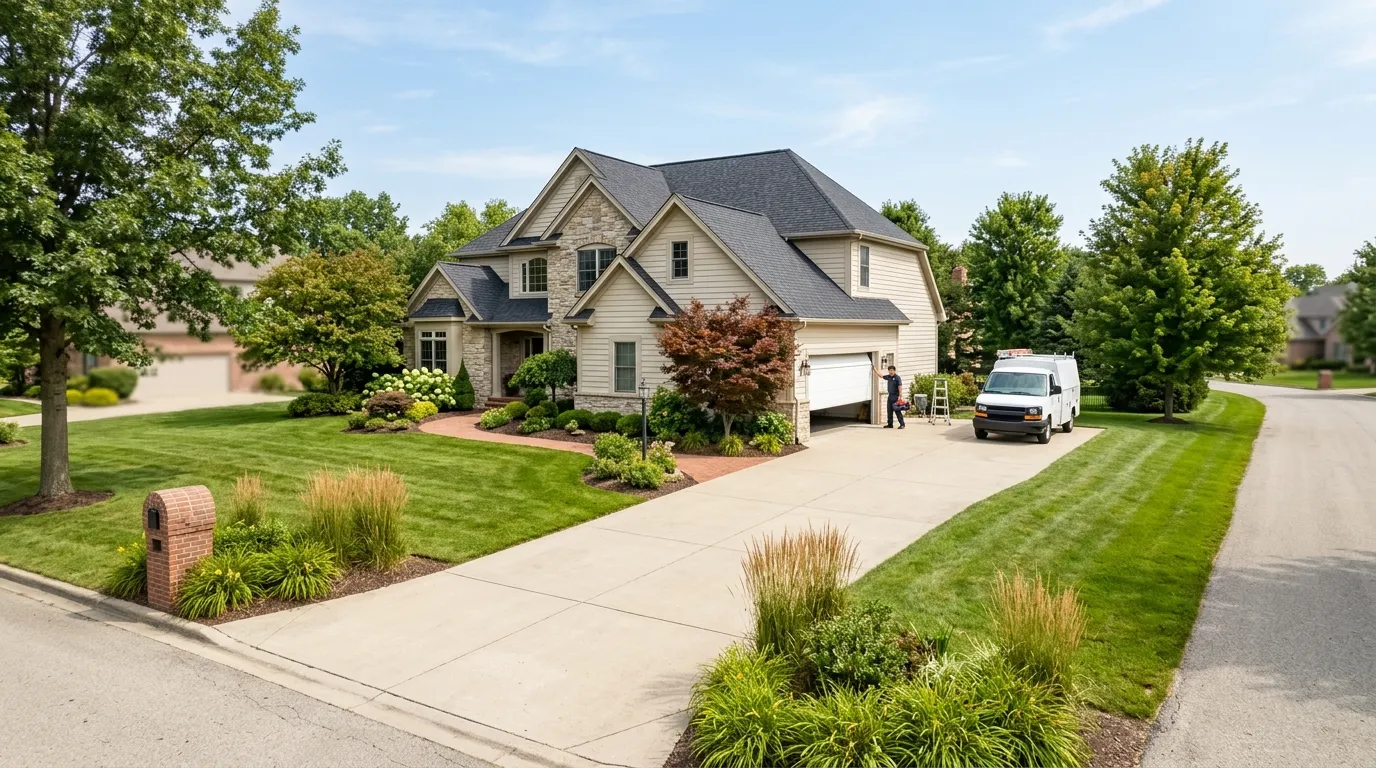
The Lytle Area sits about 3 miles south-southeast of downtown Abilene, tucked between the South Treadaway Area to the north and Chimney Rock Area further south. It's a quieter stretch, mostly residential, without the mixed commercial frontage you get closer to Highway 80. We don't have named streets or landmarks for this pocket to point to, so we're not going to pretend otherwise - what we can speak to is the housing itself, since that's what actually determines what kind of door problems show up here and how they get fixed. If you're calling from just outside the boundary, in Buffalo Gap or Clyde, the same notes below mostly hold, since the build era across this side of town runs similar. We work this area as part of our regular route through the south side, not as a special trip, which keeps the job itself the main thing rather than the drive.
What the Doors Are Like
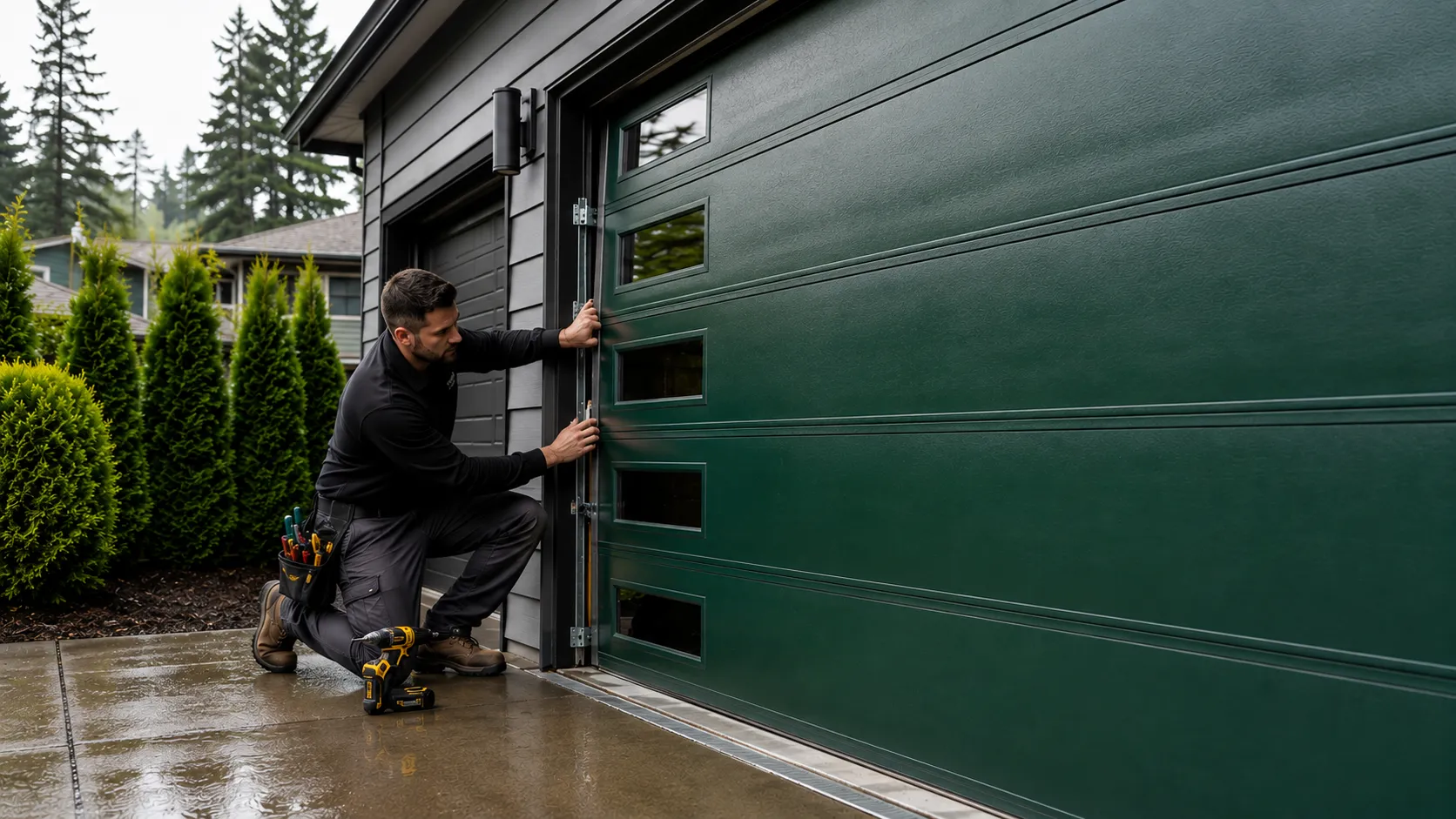
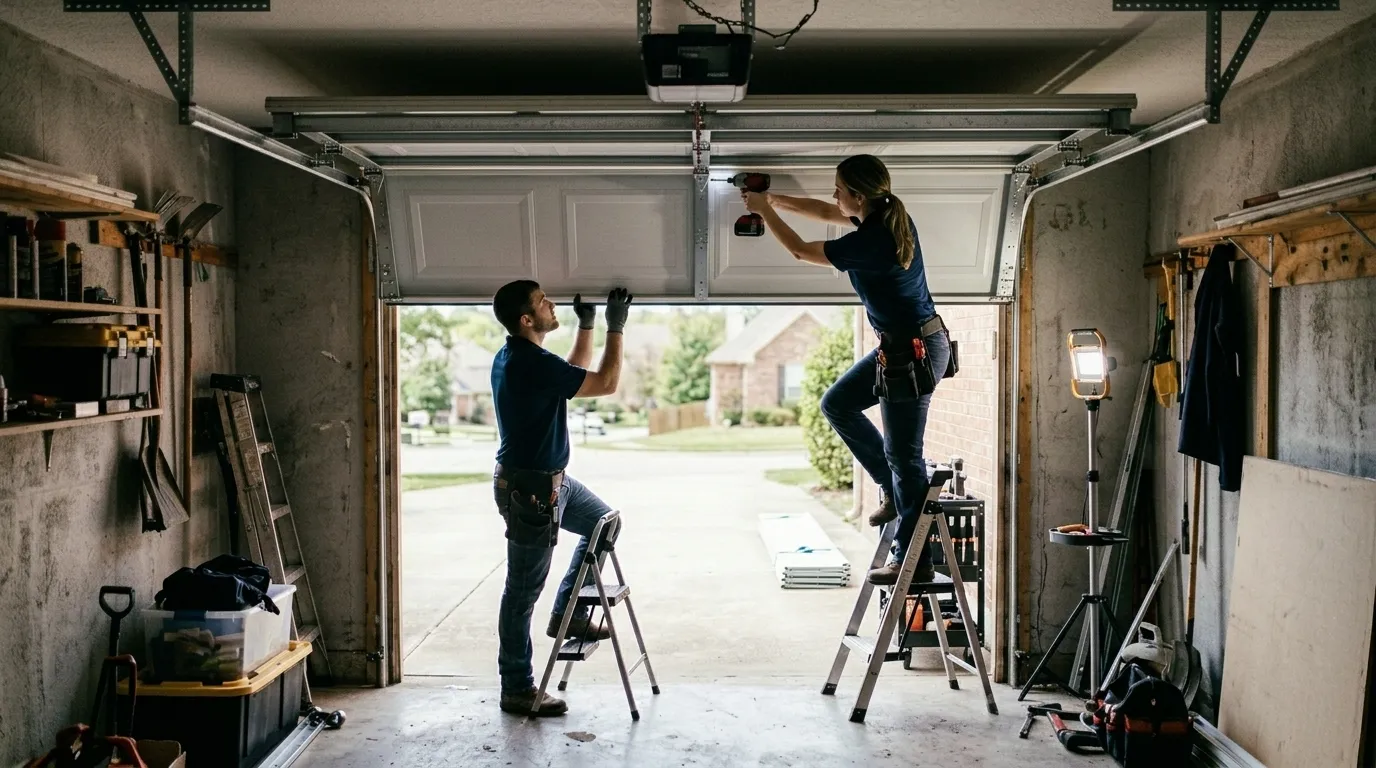
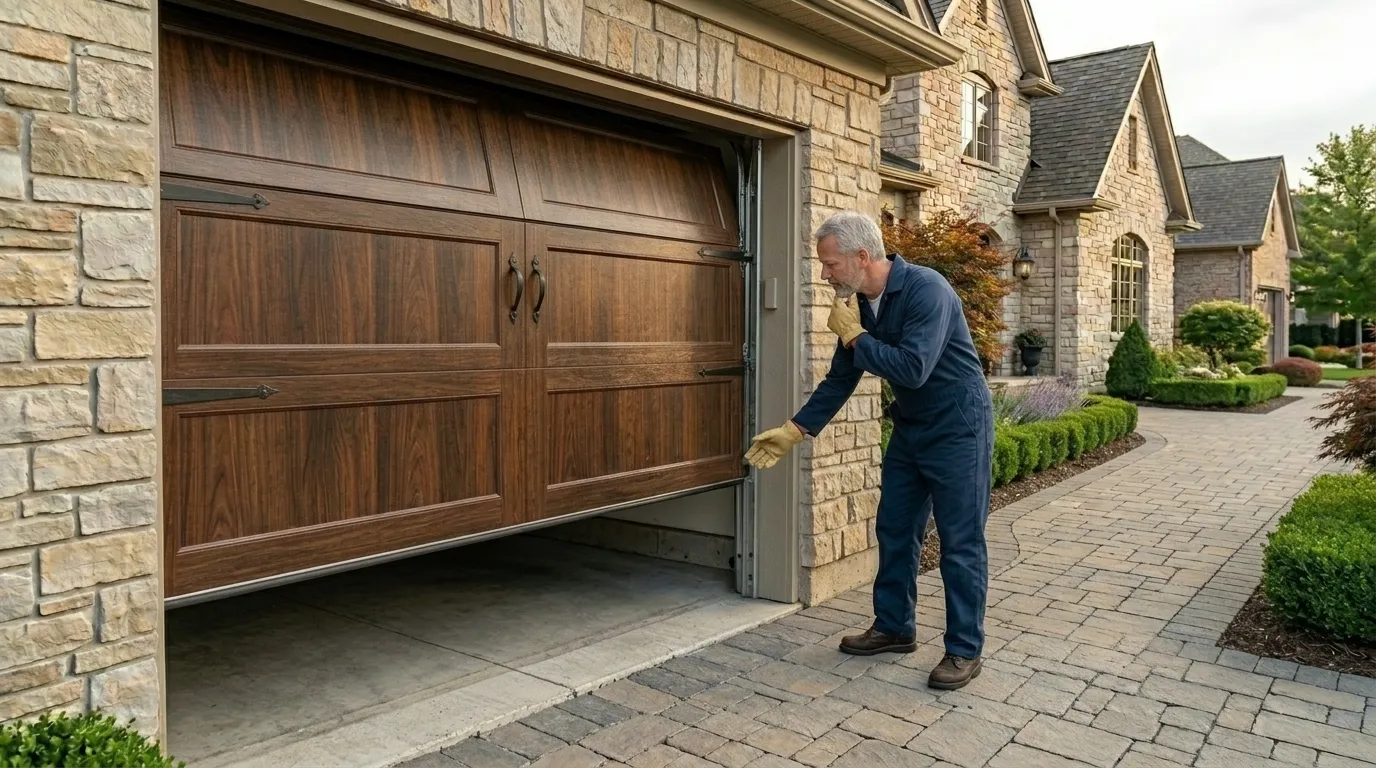
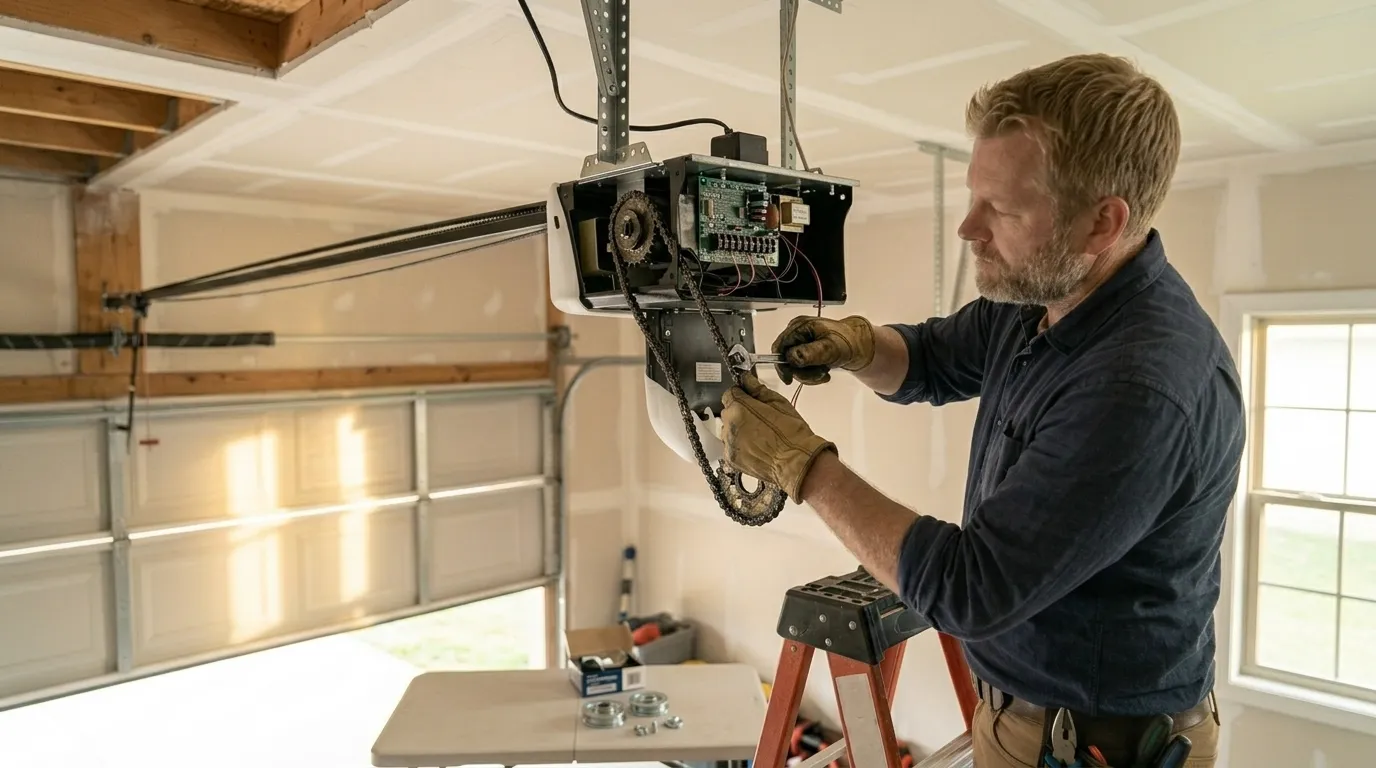
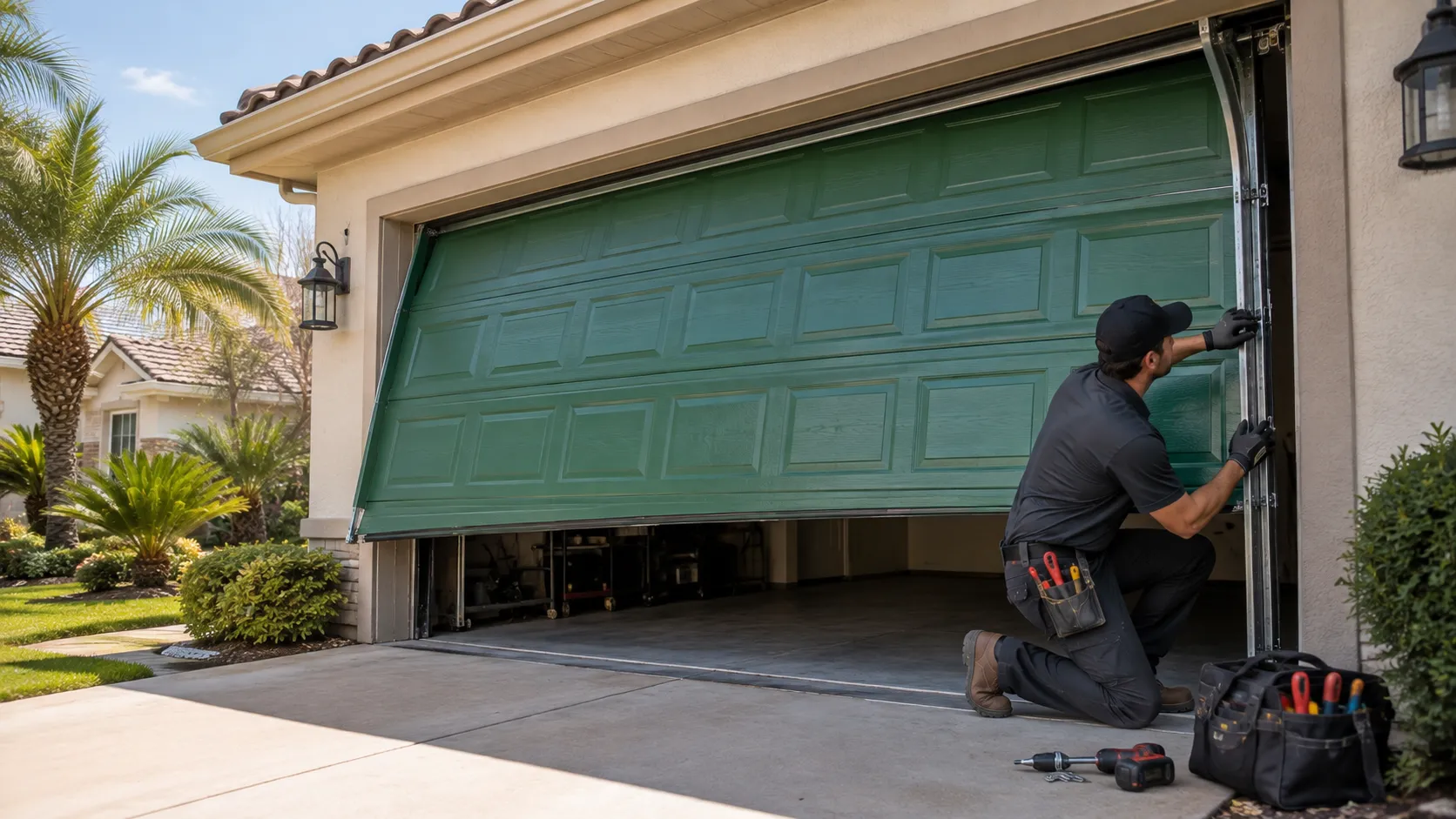
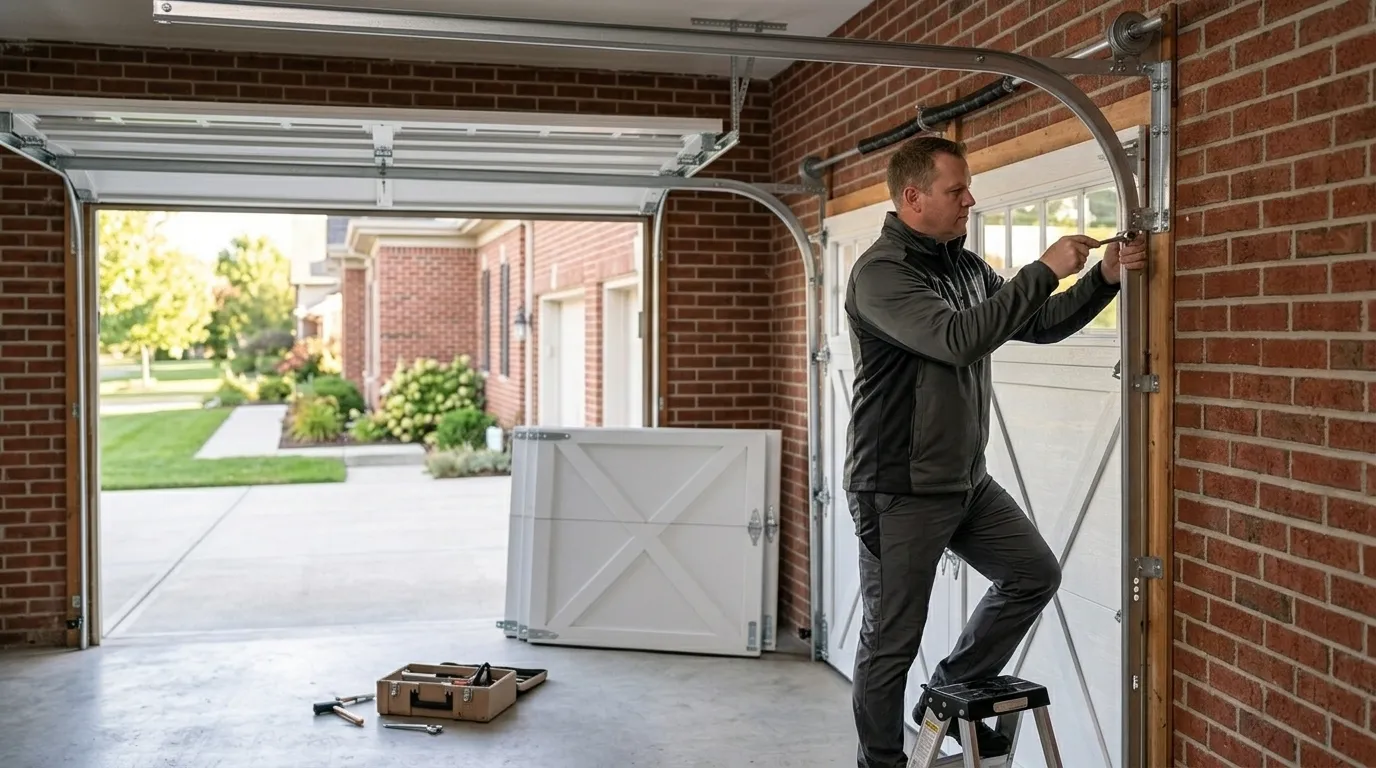
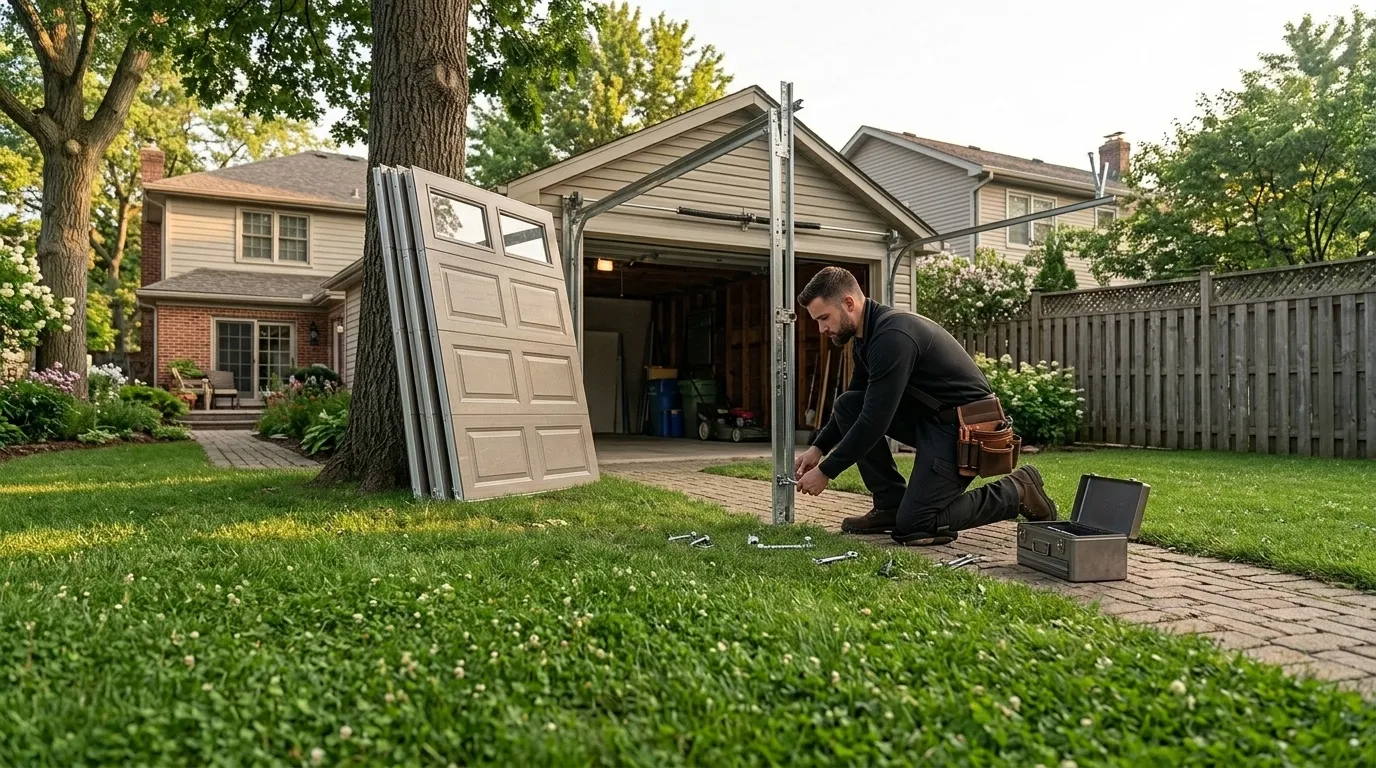
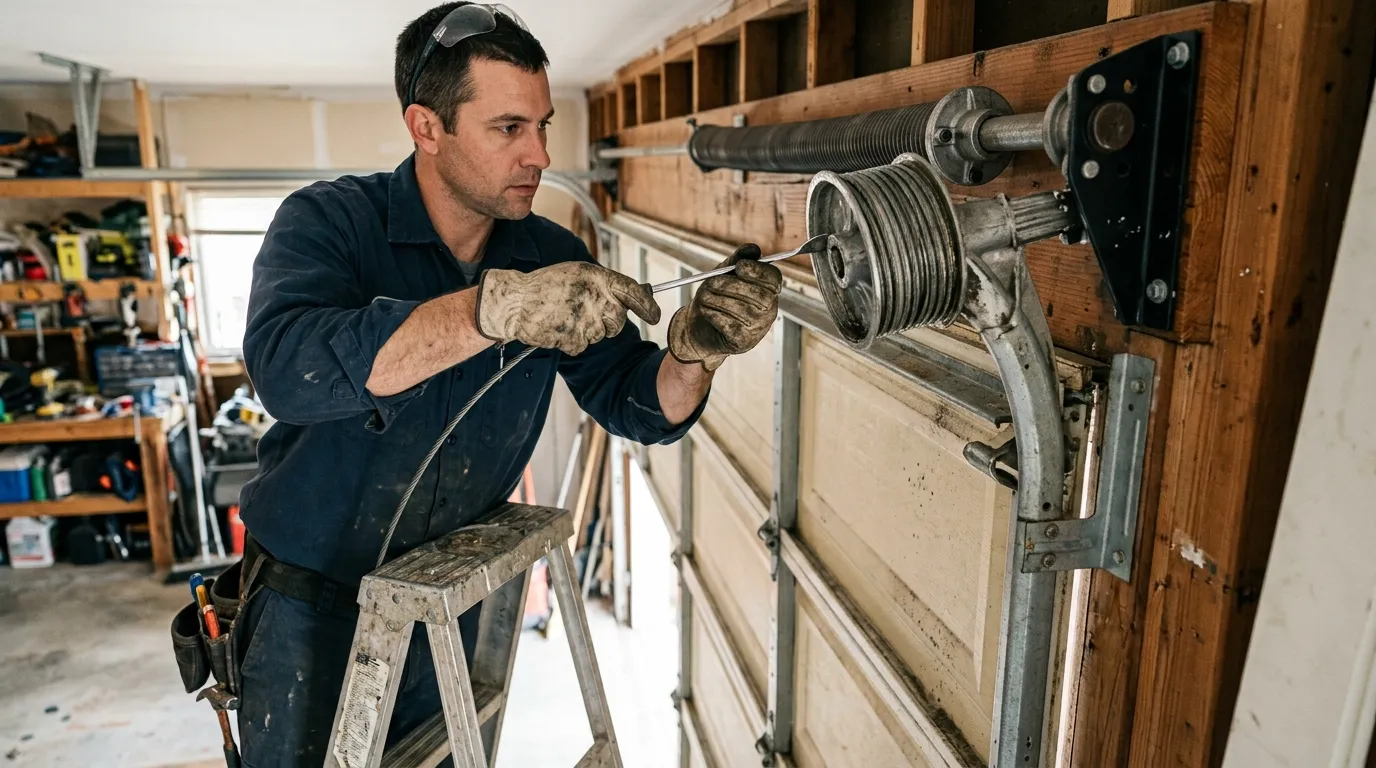
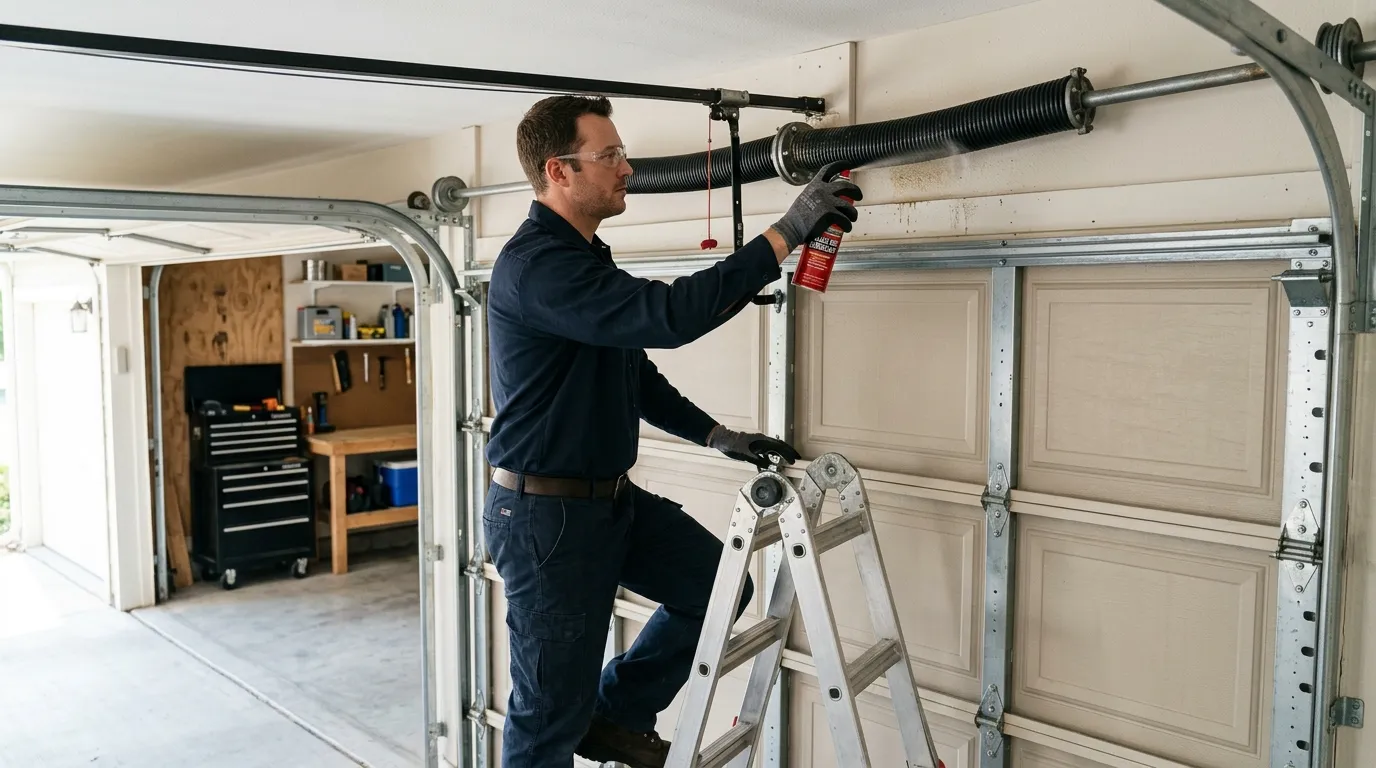
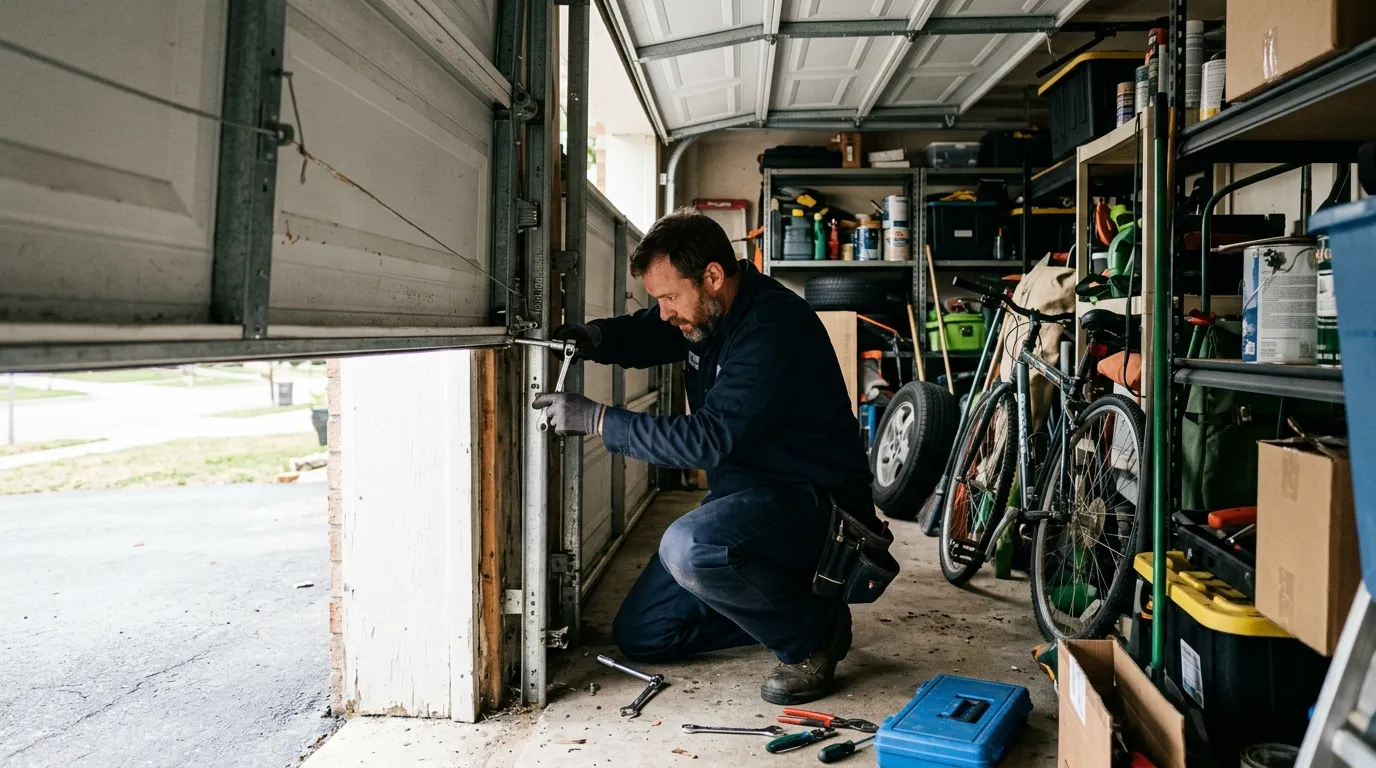
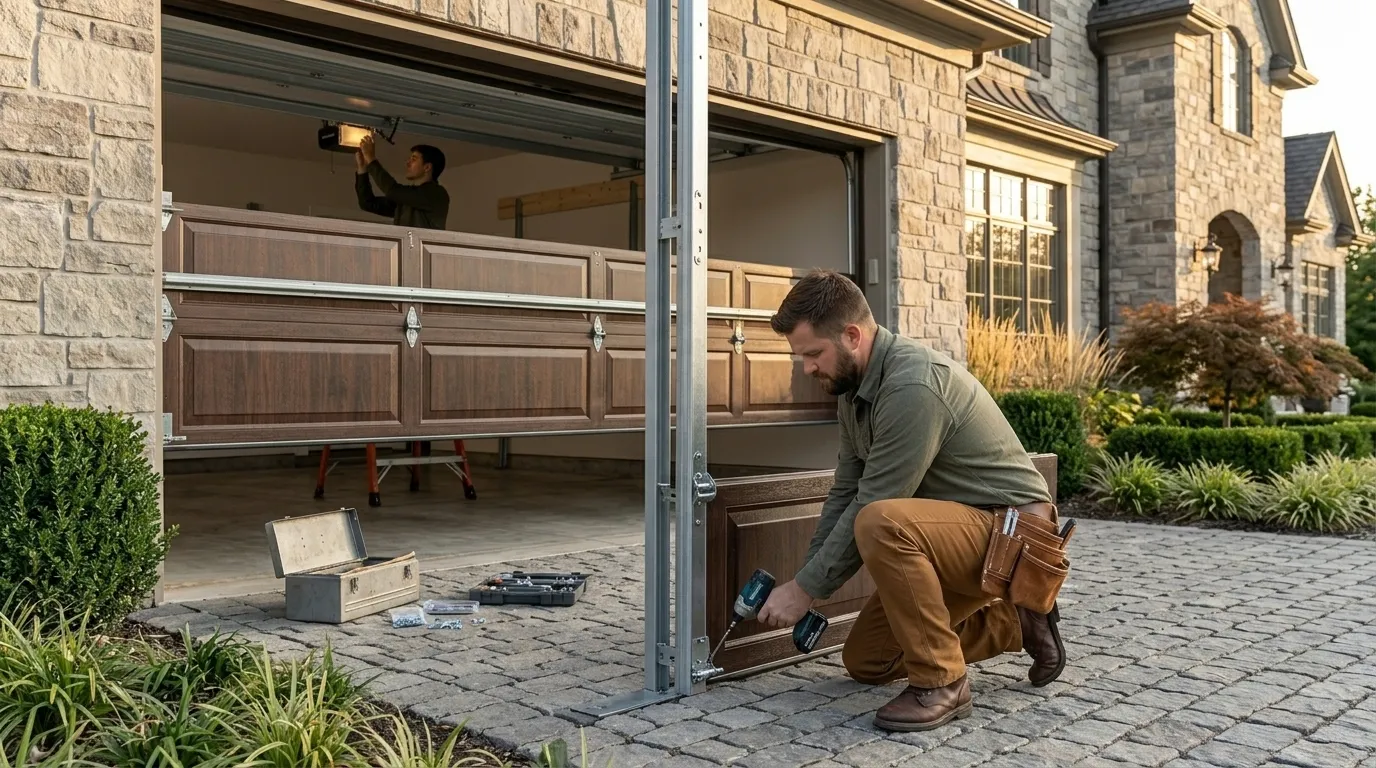
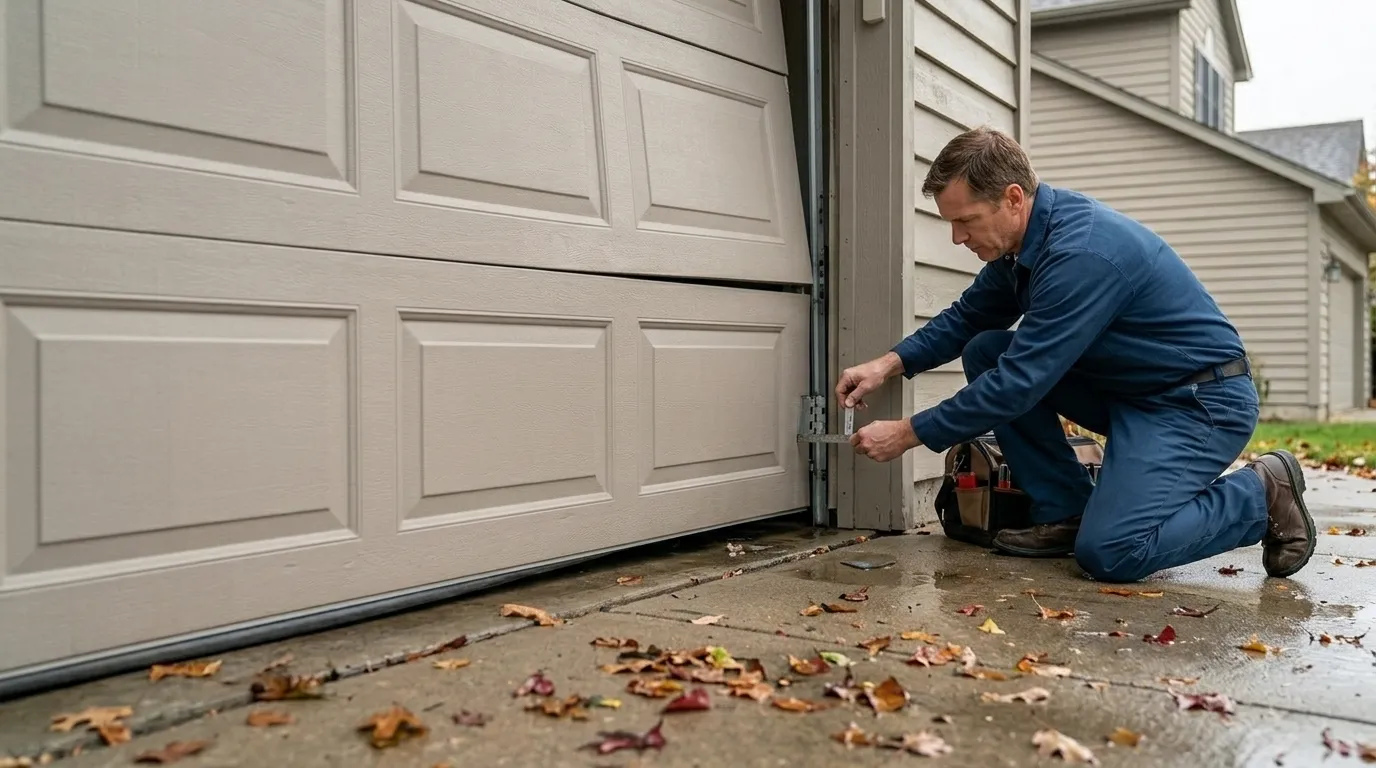
Given a median build year around 1973, a good share of the doors still in place are original steel sectional doors, often without any foam or polystyrene backing - just a bare steel panel on a torsion spring system with side-mounted hardware. That matters here because the climate band is cold-moderate: temperature swings between summer heat and winter cold put more stress-cycling on hardware than a milder climate would, and an uninsulated door transmits both directly into the garage. Where doors have been replaced, we mostly see later steel raised-panel units, sometimes with a thin insulation layer added when owners upgraded in the 90s or 2000s. Panel warping and seam separation show up more on the oldest, thinnest original doors than on anything installed since. One honest limit: if a door is original steel from the 60s or early 70s and the track has been reworked more than once already, replacement usually makes more sense than another repair - parts for that specific hardware generation are getting harder to source.
The Housing Here
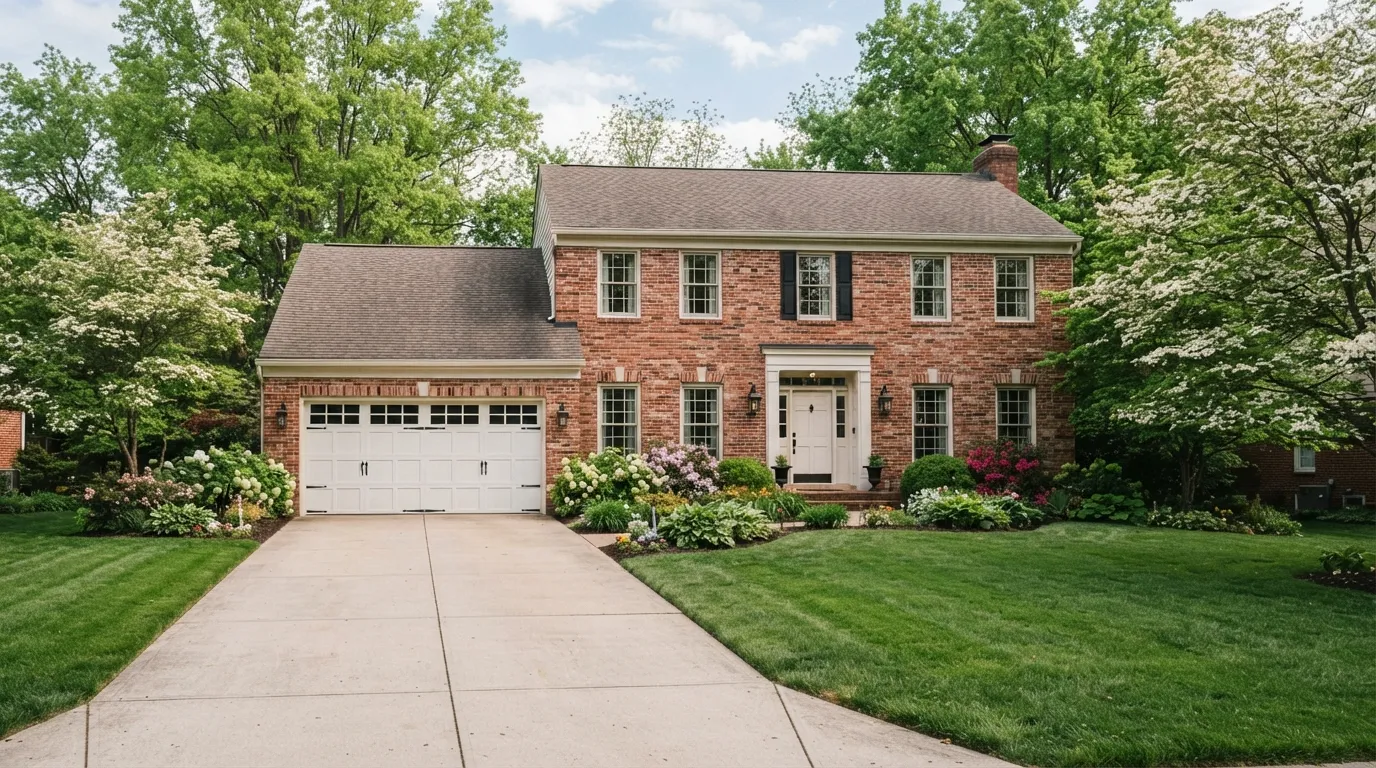
Across the wider service area, housing runs from 1963 to 2003 with a median build year of 1973, and the pattern locally is the same 1960s-70s stock that shows up across the other named areas on this side of town. Of the roughly 4,455 households counted, 3,371 are owner-occupied houses rather than rentals, which lines up with what we see on service calls - most of the people calling own the place and are deciding between a repair and a replacement, not just handing off a landlord's punch list. Median household income across the service area sits at $63,683, which puts insulated steel replacement doors within reach for most owners here, but it's also common for someone to ask us to try the repair first before committing to a new door. That's a reasonable call on a lot of these jobs, and we'll say so plainly when it's the better use of the money.