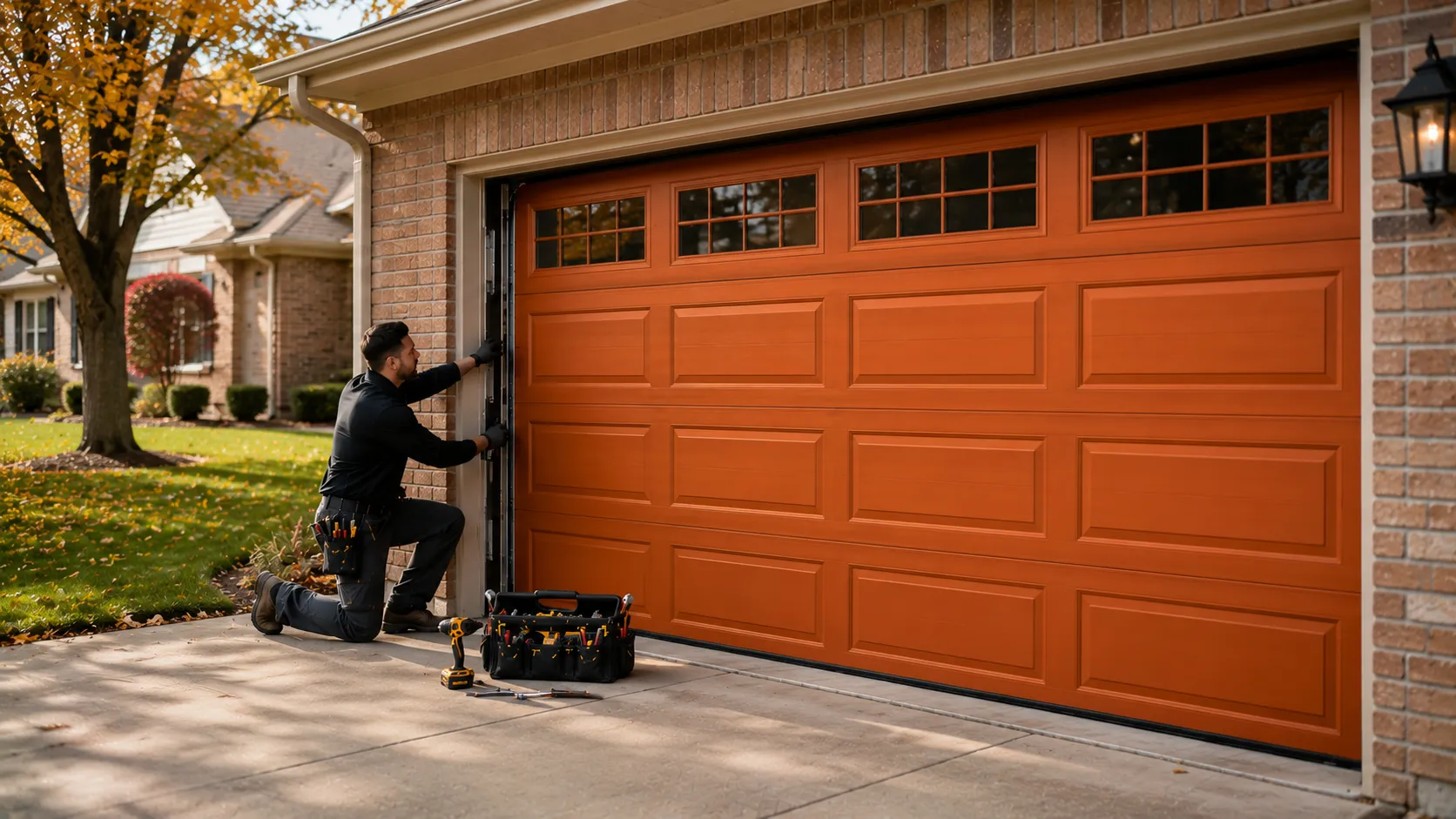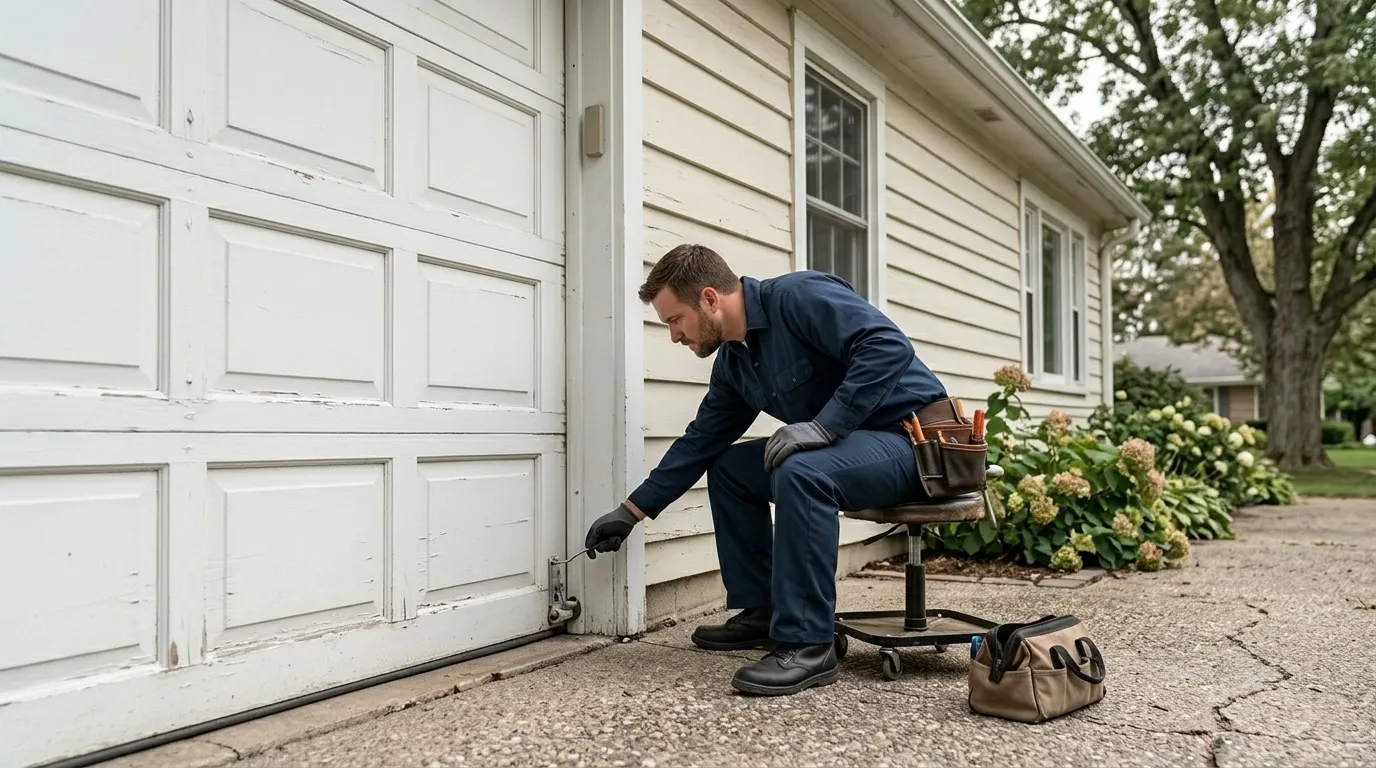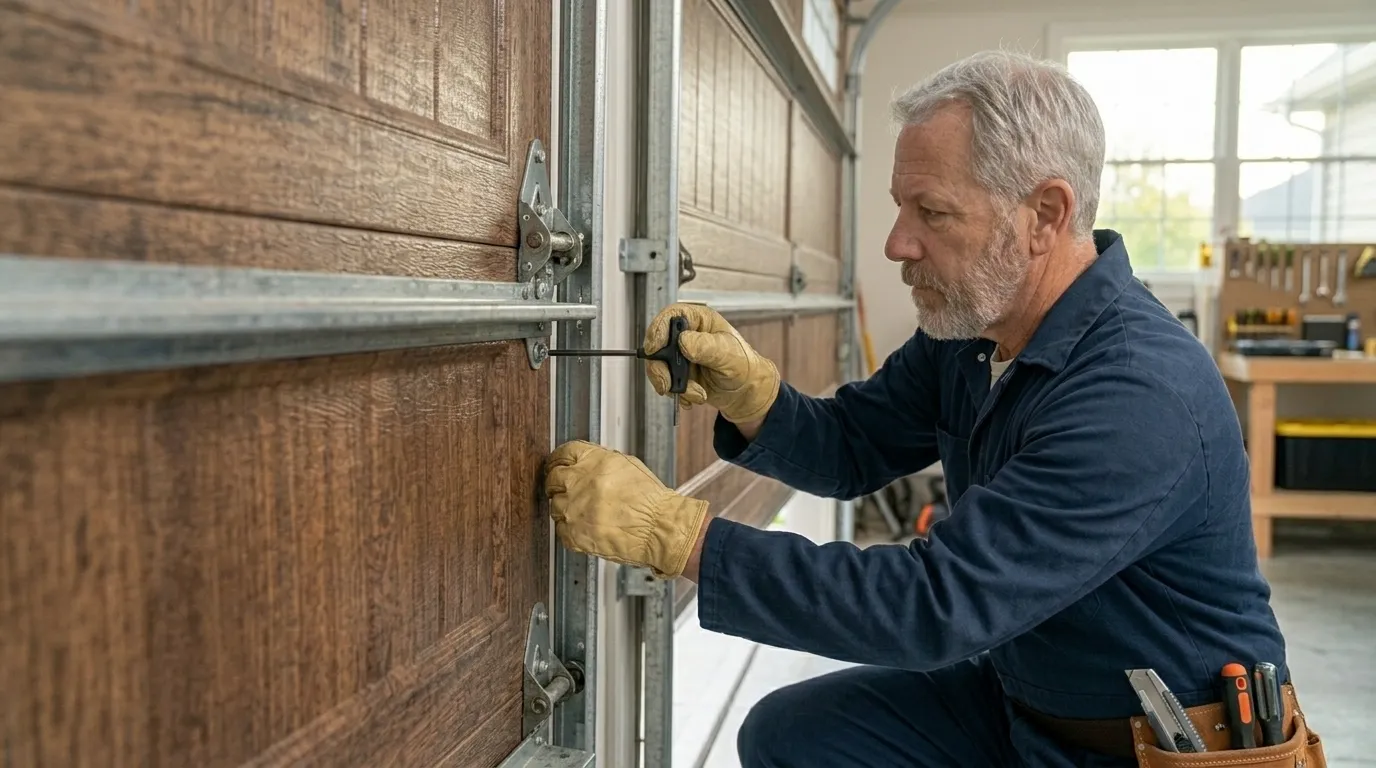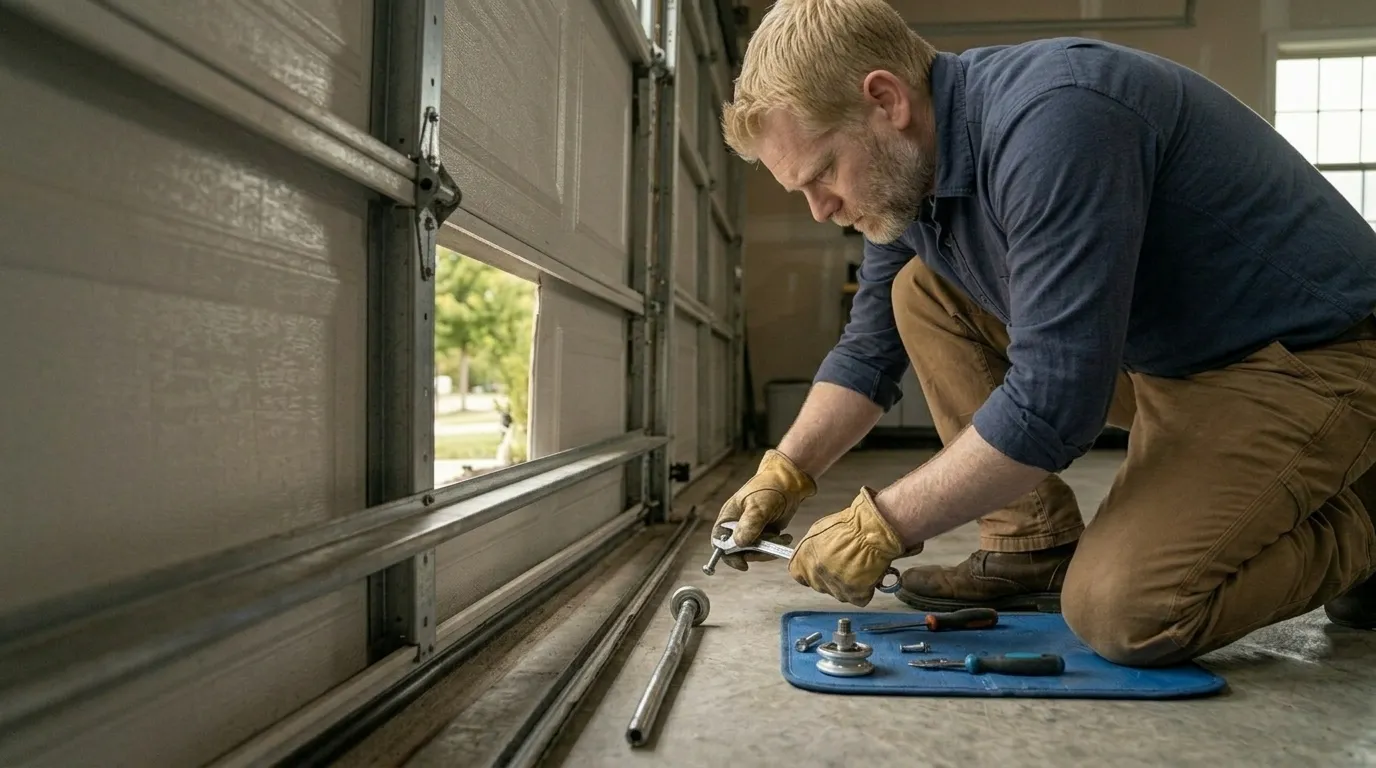
What Is Going On
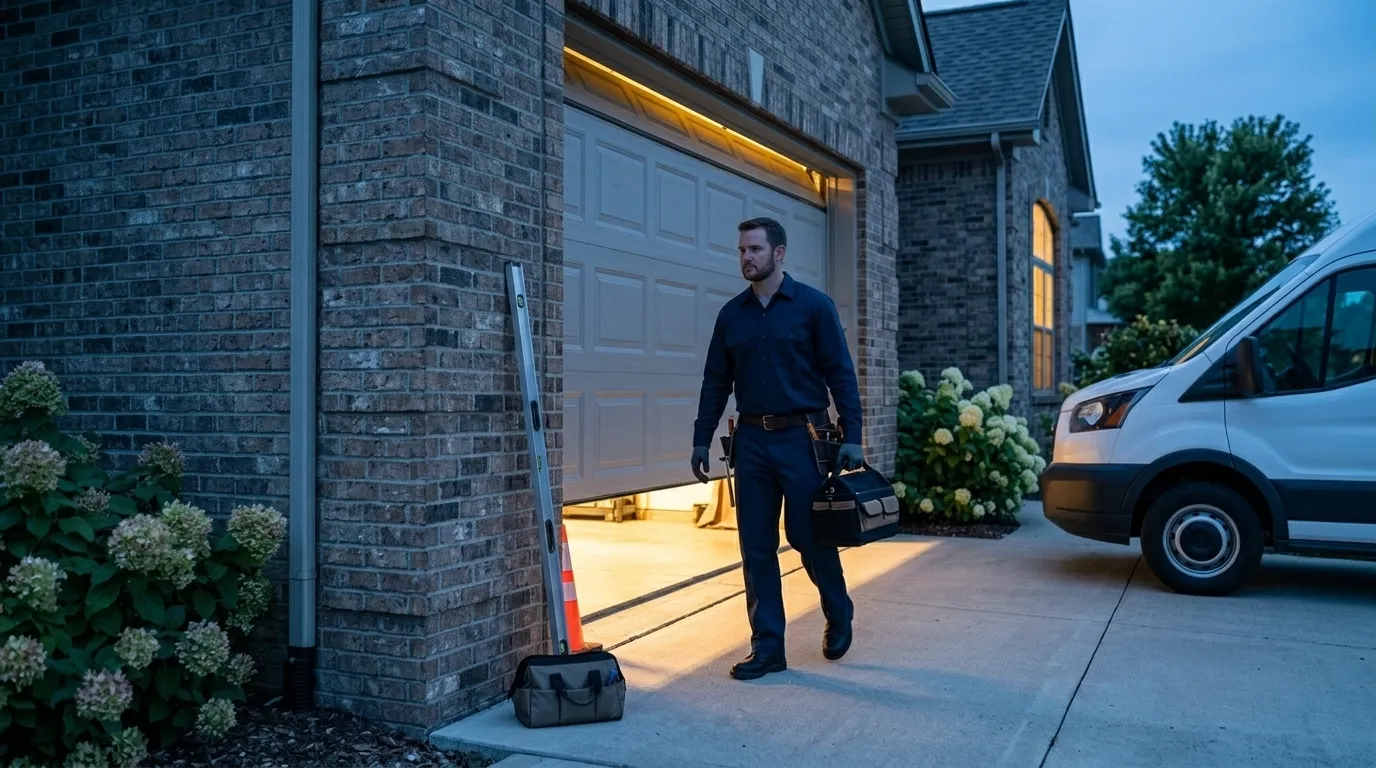
When we get a call, the first thing we're doing in our head before the truck even leaves is guessing the age of the door based on where the address sits. Most of the houses we get called to in Cobb Park Area, Sears Park Area, and Westwood Richland went up in the 1960s and 70s, with the service area's median build year sitting around 1973. North College, North E. Hwy 80, and Elmwood Area run the same way. That matters because a door installed in 1971 is not wired, sprung, or balanced the way a door installed in 2015 is.
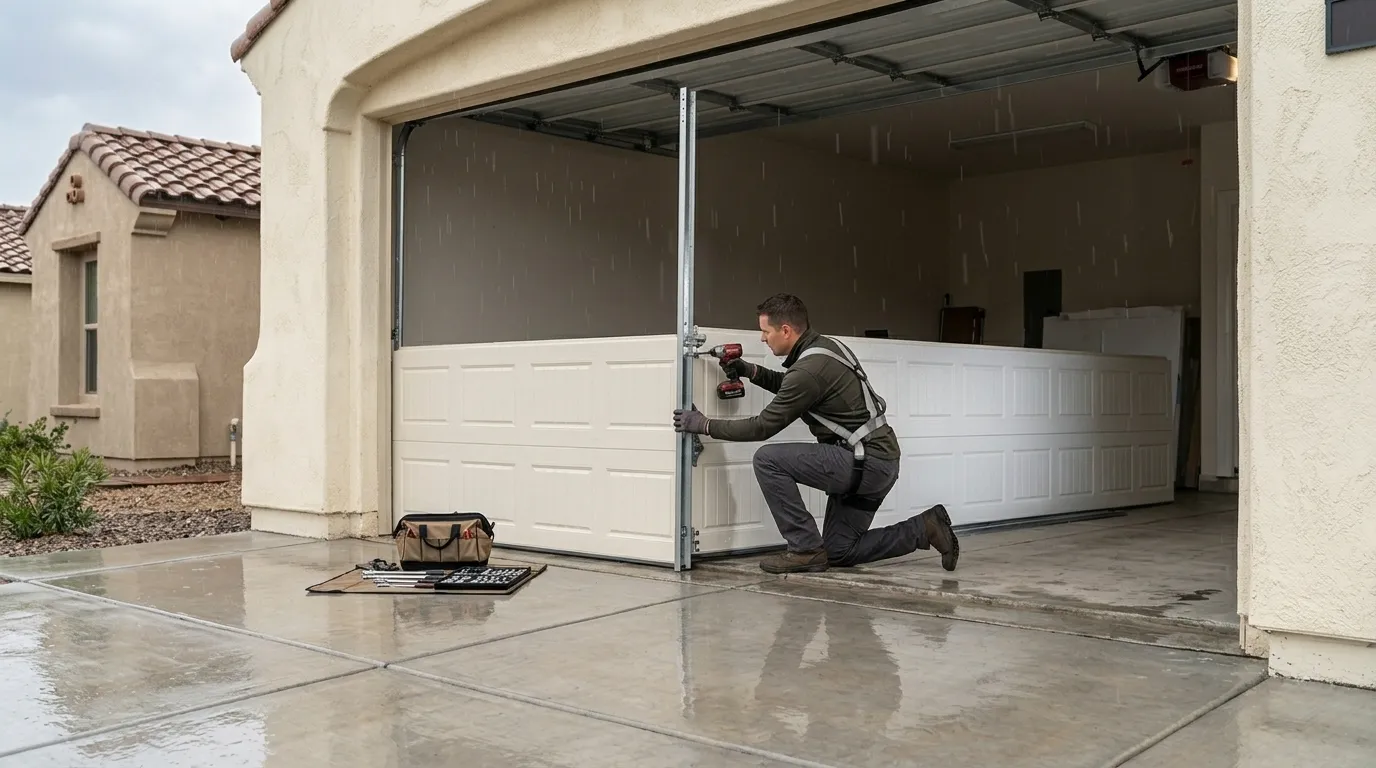
A service call covers three things: we find out what's actually broken (not just what's making noise), we check whether the rest of the system is safe to keep running, and we tell you straight whether it's a repair or a door you're better off replacing. Across the 4,455 households in this service area, 3,371 are owner-occupied houses, which is the bulk of what we work on - not apartment buildings, not commercial doors, just houses where someone's going to be opening that door twice a day for years.
We don't guess on the phone. Spring size, track type, and opener compatibility all depend on seeing the door.
What Local Conditions Do
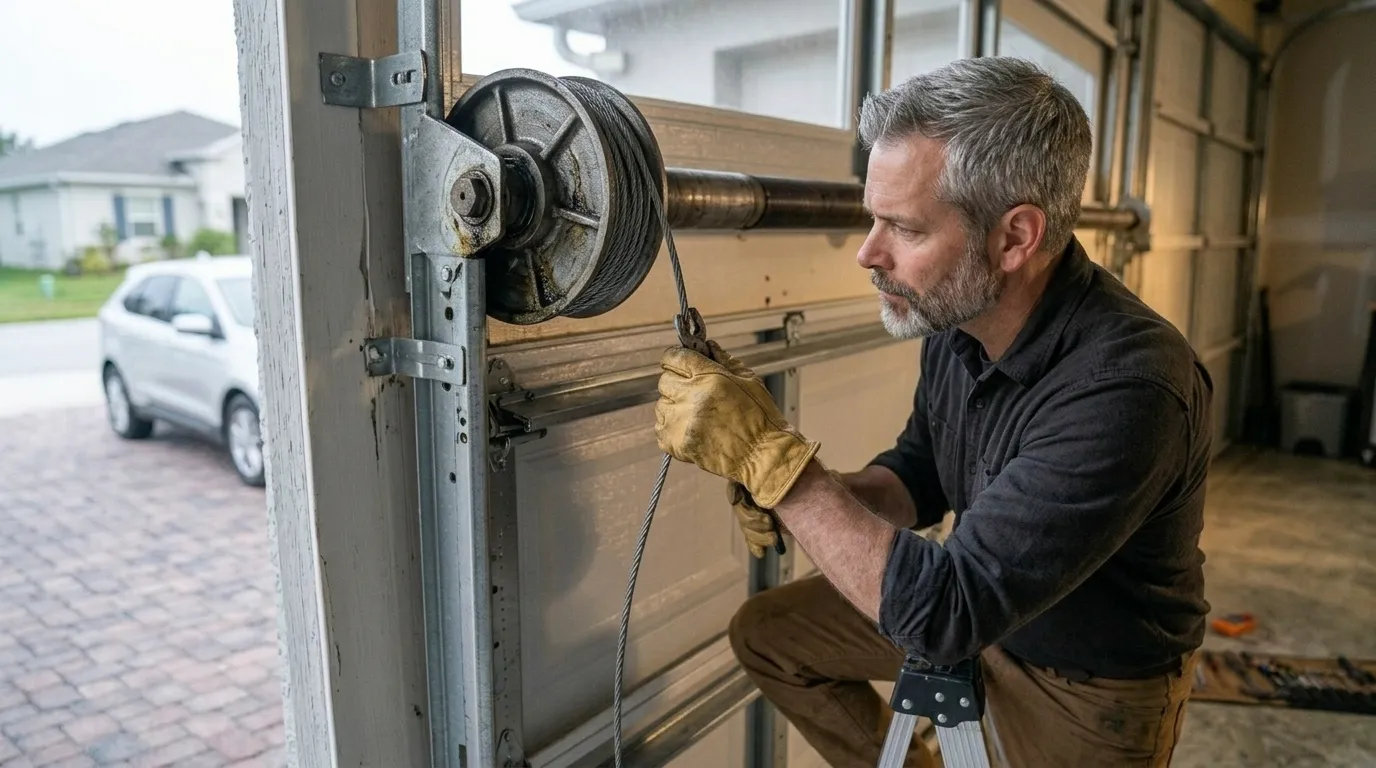
A house in North College or Elmwood Area built in the 1970s is more likely to have a two-piece steel door on a torsion spring that predates the current sizing standards than a house built after 2000. That's just how the housing stock breaks down here - F2 shows most of the older, close-in neighborhoods running 1960s-70s construction, and springs from that era were sized for lighter doors than what's often on the track now after a panel swap or two over the decades.
Out in Tye, Potosi, Hawley, Buffalo Gap, Clyde, and Merkel, calls run the same age curve - houses built in that same 1963-2003 window, just an eight-to-sixteen-mile drive further from downtown Abilene. The hardware problems are the same; the difference is drive time, not the diagnosis.
The median household income here runs $63,683, a number that shapes how many people choose a full replacement over stretching an old door another decade. We see plenty of both, and neither is the wrong call - it depends on the door, not the calendar.
What Most People Get Wrong
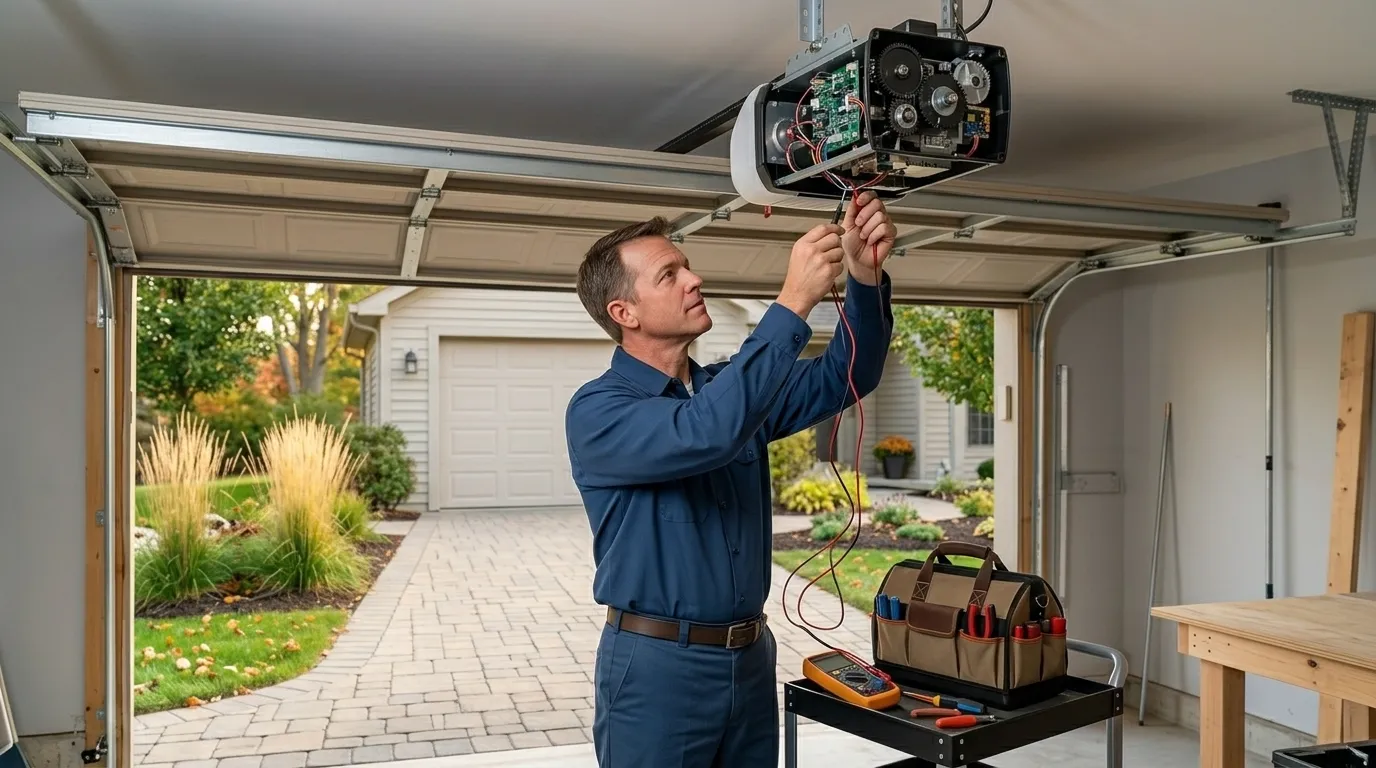
The most common mistake is assuming a loud door means a dying opener. Nine times out of ten on an older Abilene-area house, the noise is dry rollers or a track bolt that's worked loose over years of temperature swing, not the motor. Replacing the opener doesn't fix that, and it's an expensive way to find out.
The second mistake is waiting until a spring snaps before calling. A torsion spring on a 1970s-built house has usually been cycling for decades already, and the warning signs - a door that feels heavier by hand, a slight bang on close - show up well before the break. We'd rather look at it while it's still safe to work on.
Here's the honest limitation: we don't stock every spring size for every door on the first truck run. Some of the older doors on original hardware need a part ordered, and that means a second visit. We'll tell you that up front instead of promising a same-day fix we can't back.