Where This Is
The Elmwood Area sits about 2 miles WSW of downtown Abilene, tucked between Westwood Richland and the Park Central Area, with River Oaks/Brookhollow another mile further southwest. It's one of the closer-in neighborhoods on this side of town, not a new subdivision on the edge of the city but an older, settled pocket of streets that got built out well before Abilene pushed further west and south. That location matters for the kind of work we see here - this isn't ground where every house is on the same builder-grade opener and torsion spring from five years ago. It's a mix of what got installed decades back and whatever's been swapped in or patched since. We work this pocket along with the neighboring areas listed for Abilene, so we're not guessing at what a call from this part of town usually means before we even get in the truck.
What the Doors Are Like
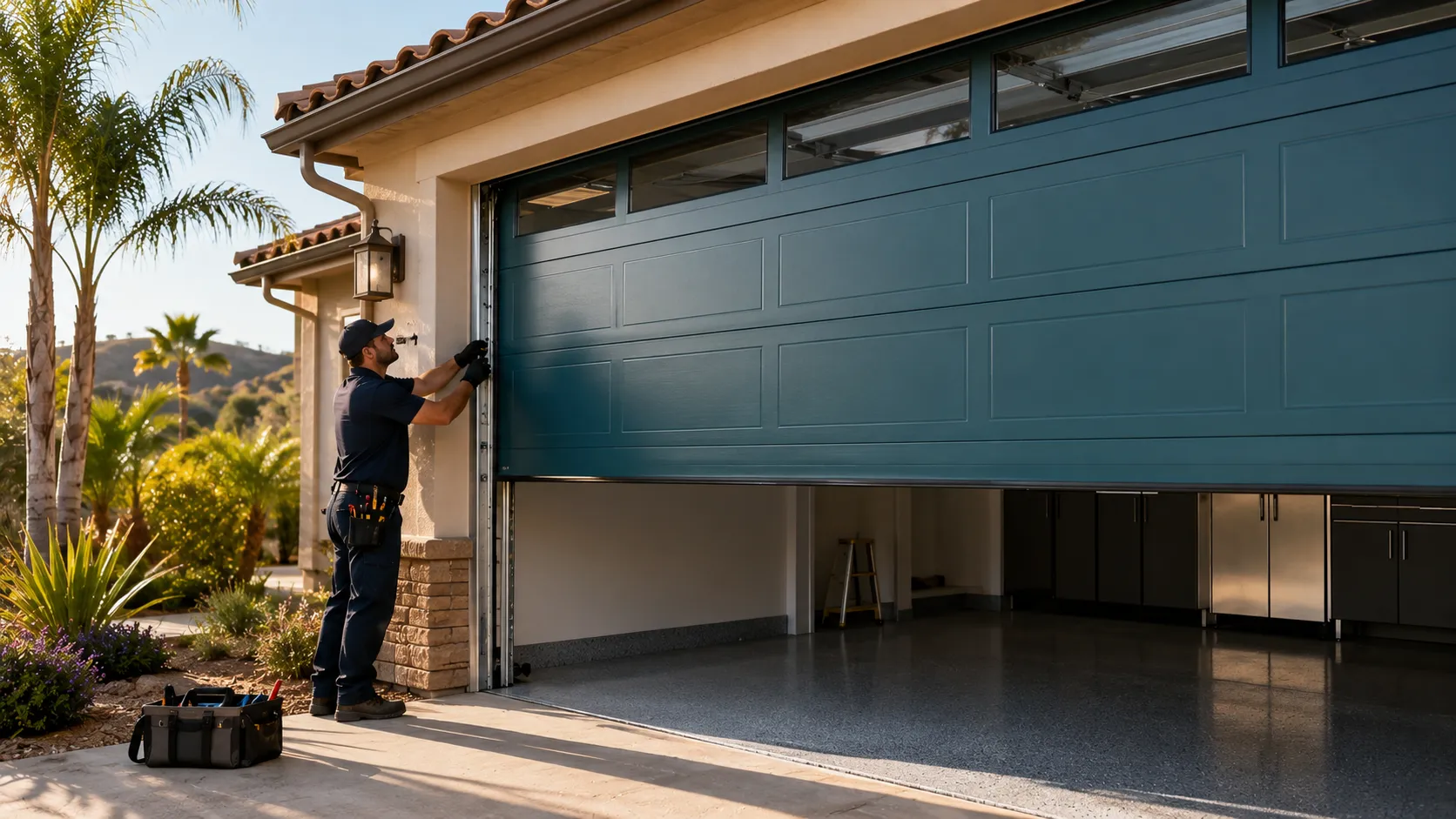
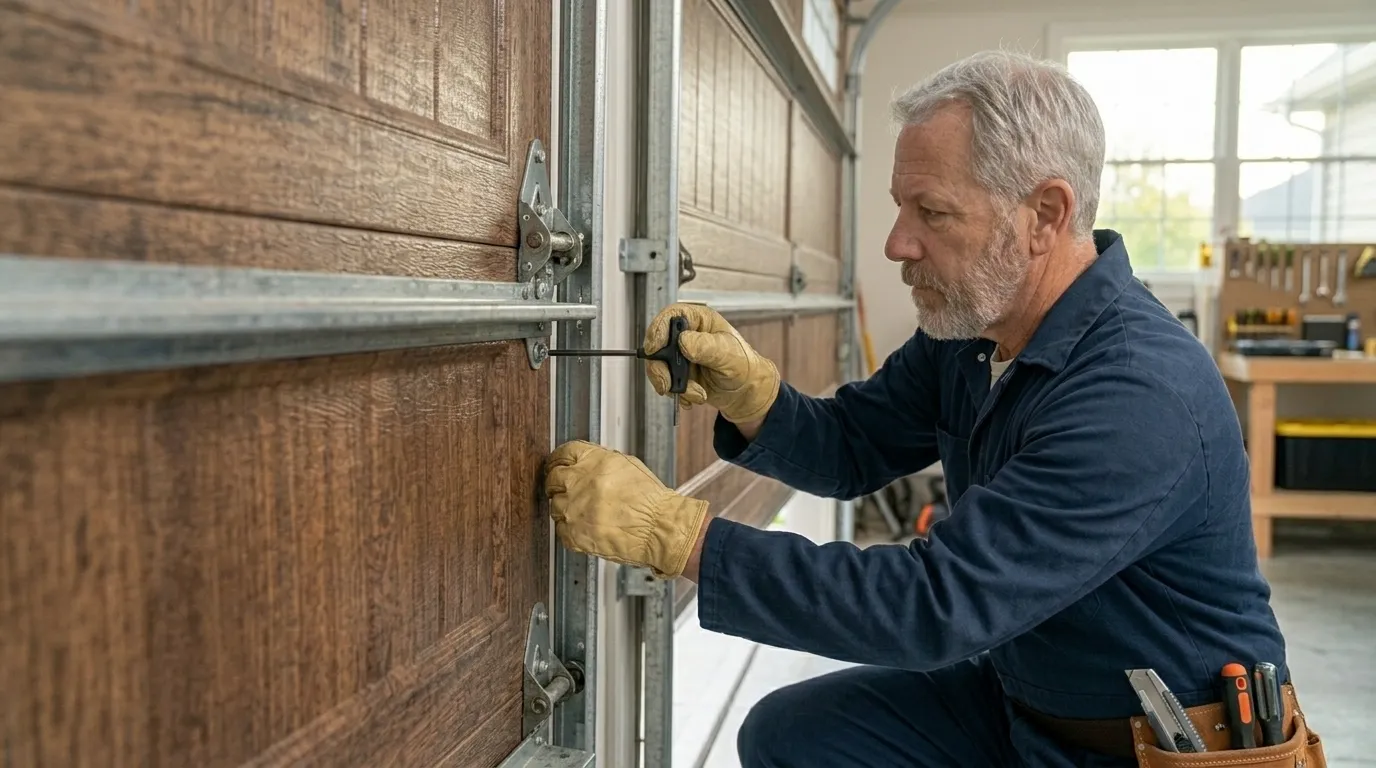
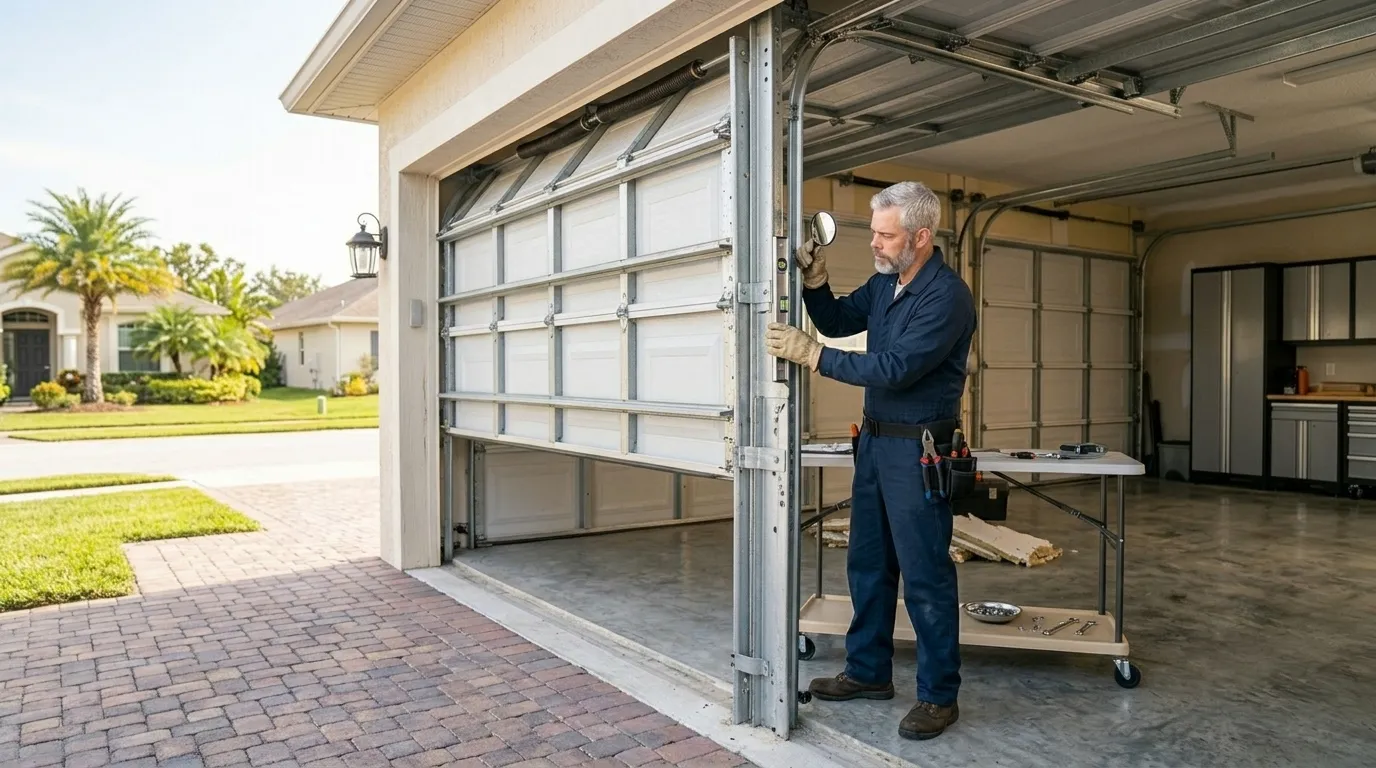
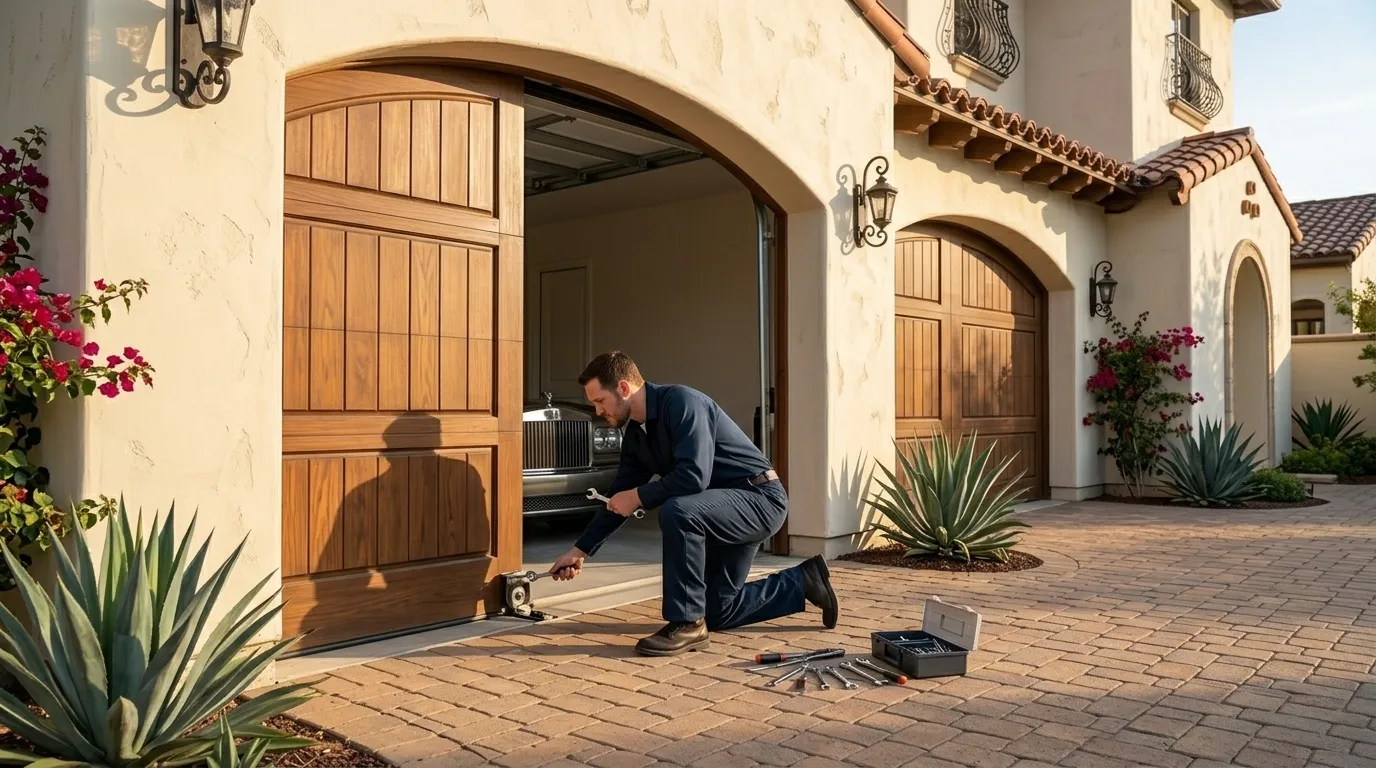
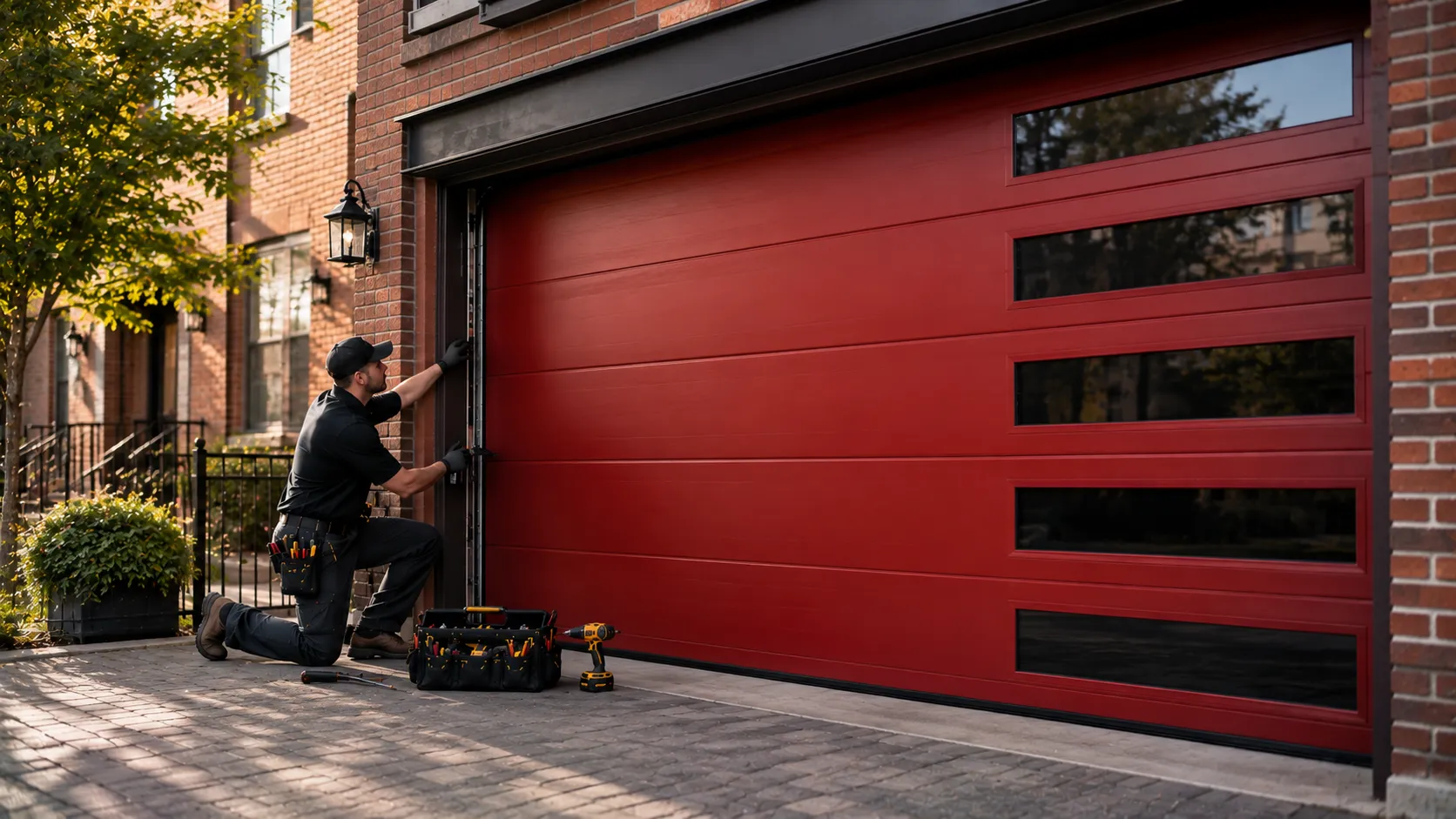
Housing stock across this side of Abilene runs mostly 1960s and 70s construction, and the doors match that era more often than not. That means single-layer steel doors on side-mounted torsion springs, sized for the narrower garage openings that were standard when these houses went up - a lot of single-car and narrow double bays rather than the wide two-car openings you see in newer construction. Insulation, if there is any, tends to be thin foam-backed panel rather than anything built to a modern R-value. In a cold-moderate climate like Abilene's, an uninsulated steel door from that period will rattle and flex more in a hard winter wind than a newer door would, though we're not going to tell you every door here needs replacing - plenty of them just need fresh hardware and a proper spring to keep running another decade.
The Housing Here
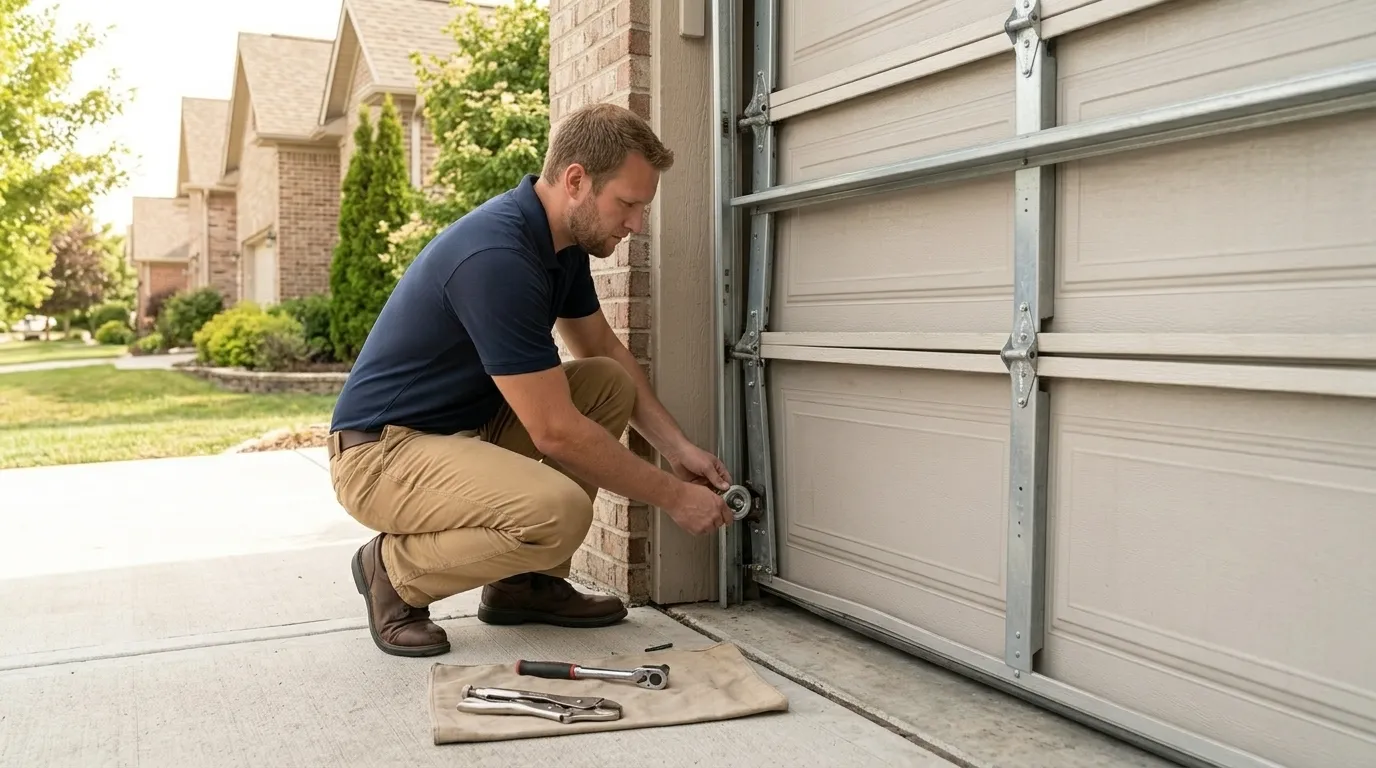
The broader service area this neighborhood sits in has roughly 4,455 households, with 3,371 of those owner-occupied houses, and a median household income around $63,683. That's a homeowner-heavy area, not a rental-dominated one, which tends to show up in how doors get maintained - owners fix things themselves for a while, then call when a spring finally snaps rather than replacing on a schedule. Given the age of the housing stock here, most of it going up between 1963 and 2003 with a median build year around 1973, we're often working on original bones: the door might have been replaced once, but the track, the drum, and the wall button are frequently untouched since the house was framed. That's useful to know before a job starts, because it usually means we're not just swapping a spring, we're checking whether the whole system still lines up square.