Where This Is
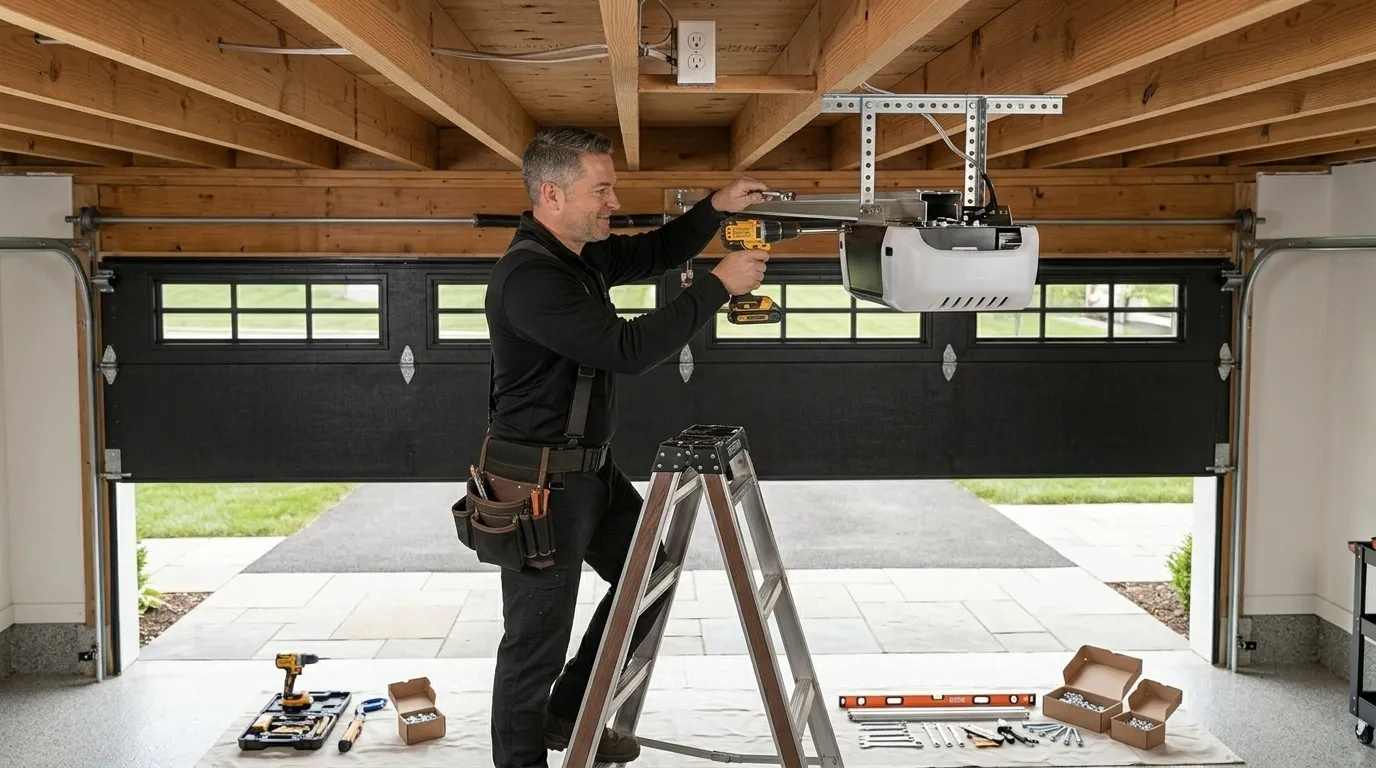
Buck Creek Area sits about 3 miles northeast of downtown Abilene. It's one of a handful of pockets on this side of town that grew up together in the same building wave, alongside places like Sears Park Area and North College a couple miles to the west and northwest. We work this stretch regularly, which means we're not guessing at what's behind the drywall when we pull a panel or open up an opener housing here.
It's a quieter corner of the city, mostly residential, without the commercial strip you'd find further in toward Highway 80. That matters for the kind of calls we get - fewer commercial rollup doors, a lot more single and double-car residential doors that have been doing their job quietly for decades until something finally gives.
What the Doors Are Like
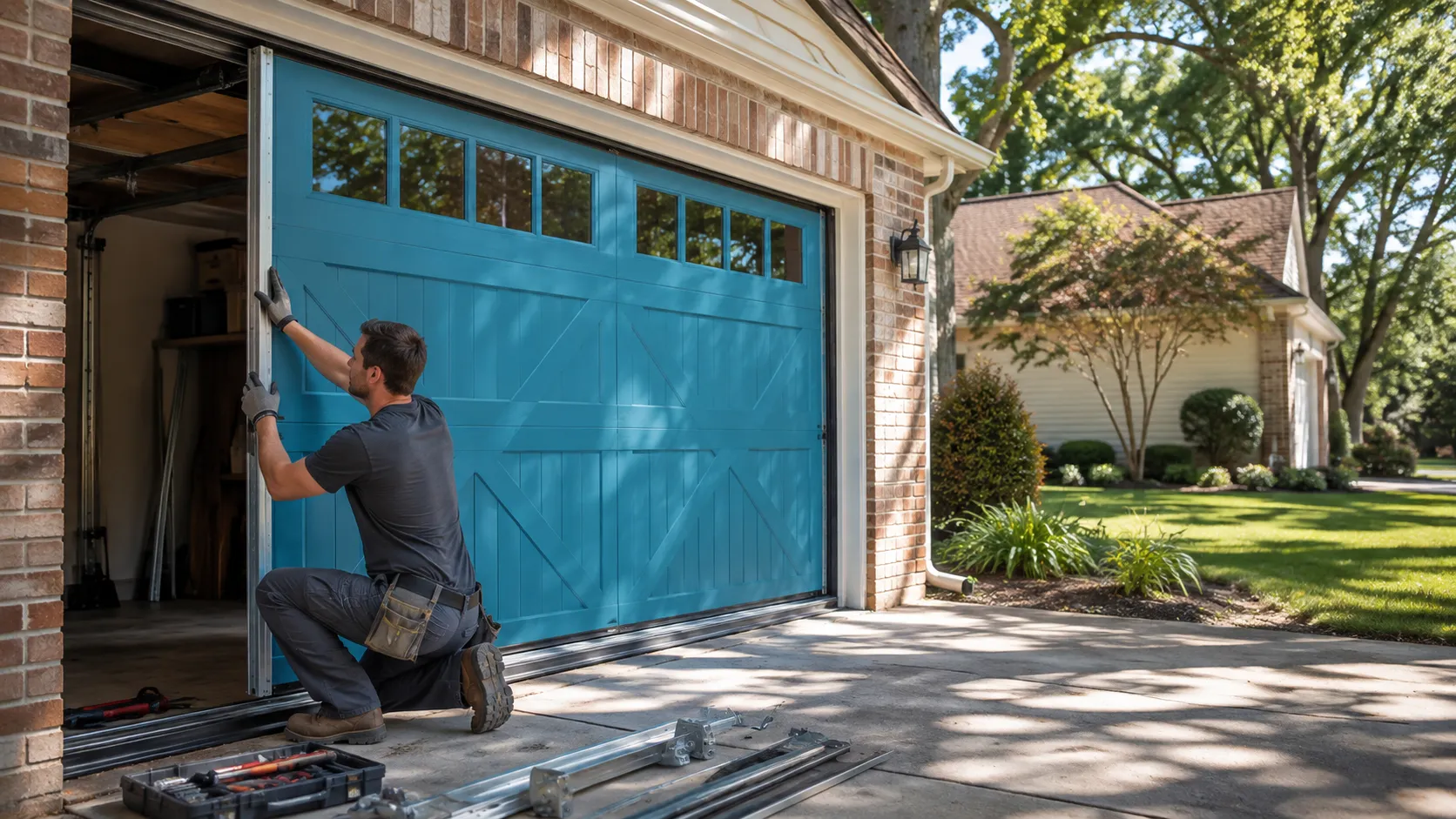
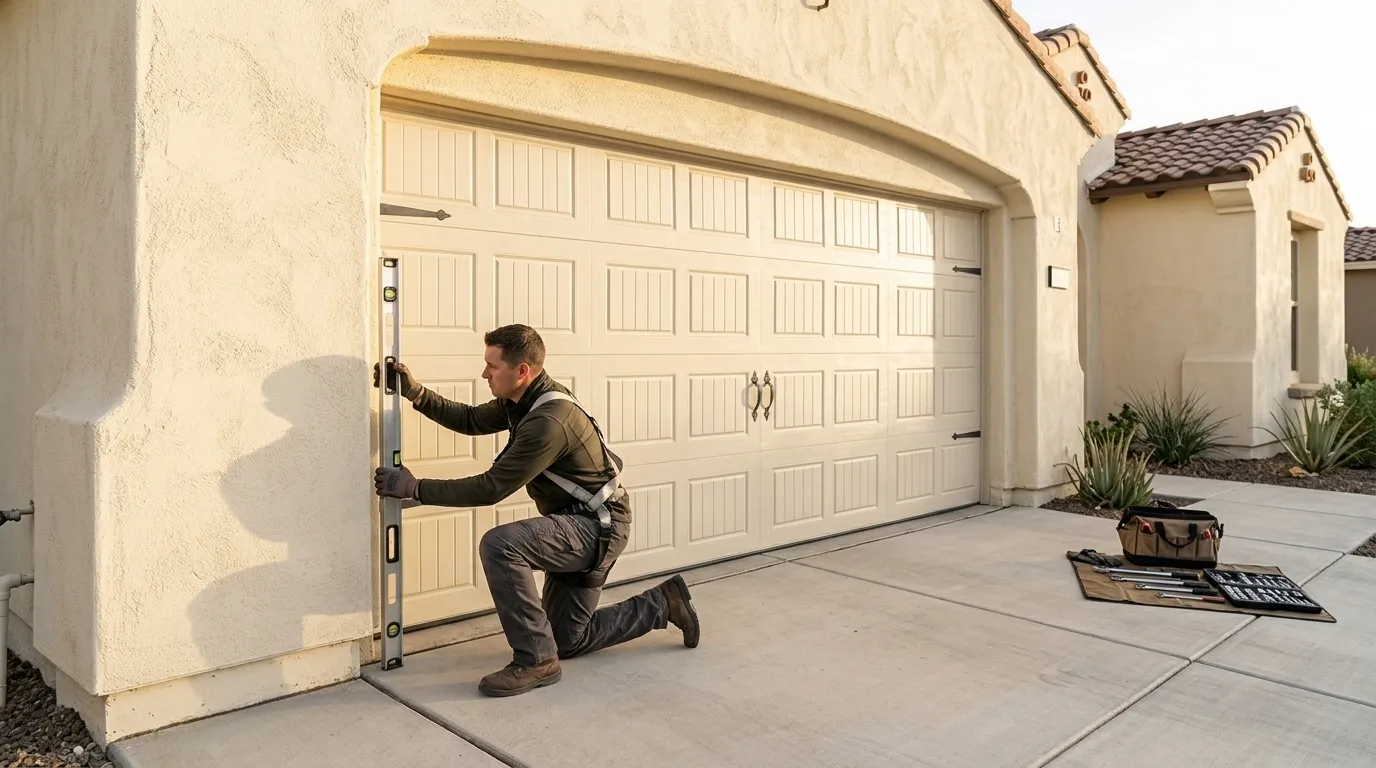
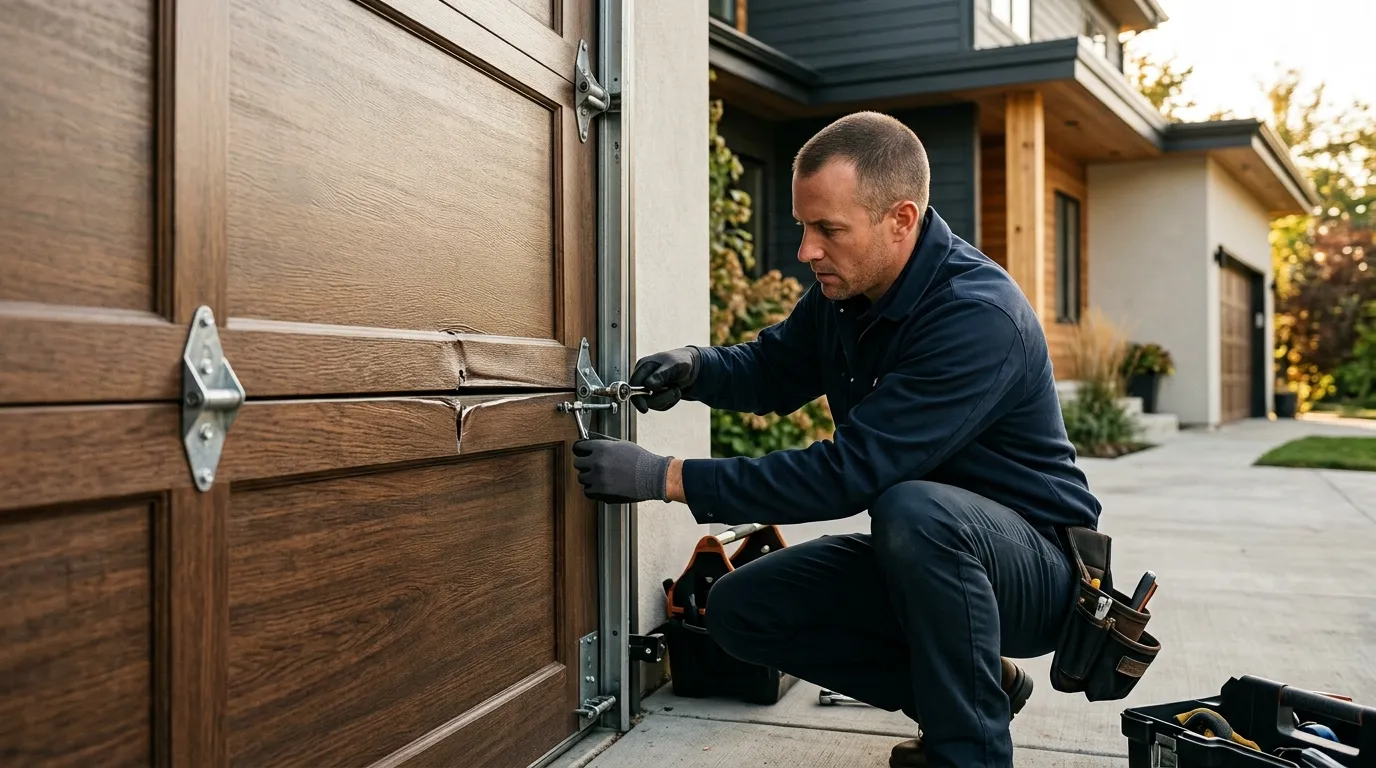
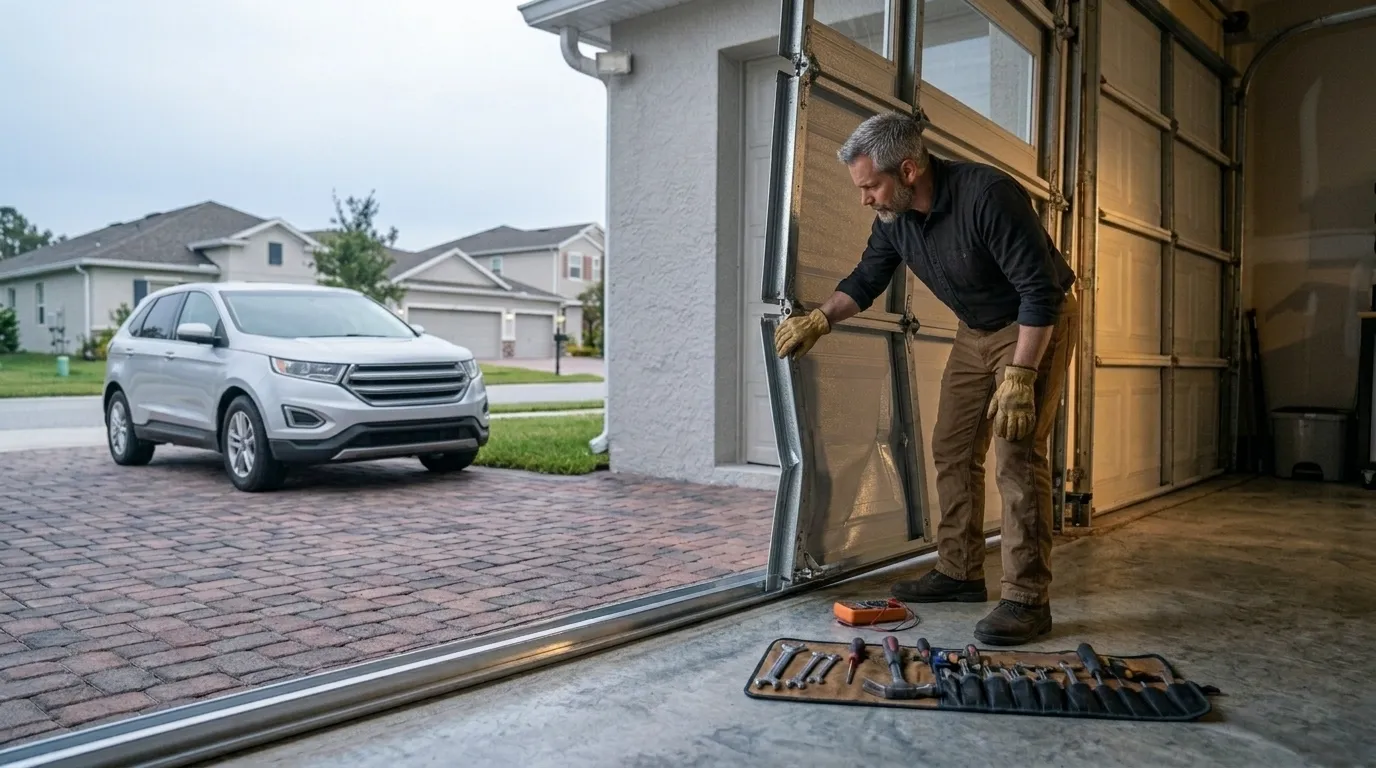
Abilene sits in a cold-moderate climate band, and that shows up in how doors age here more than people expect. Wood and steel doors from the 1960s-70s era weren't built with much insulation, and over enough winters the panels can warp slightly at the seams even when the door still opens and closes fine. That's usually a cosmetic and efficiency issue rather than a safety one, and we'll say so rather than push a full replacement when a repair does the job.
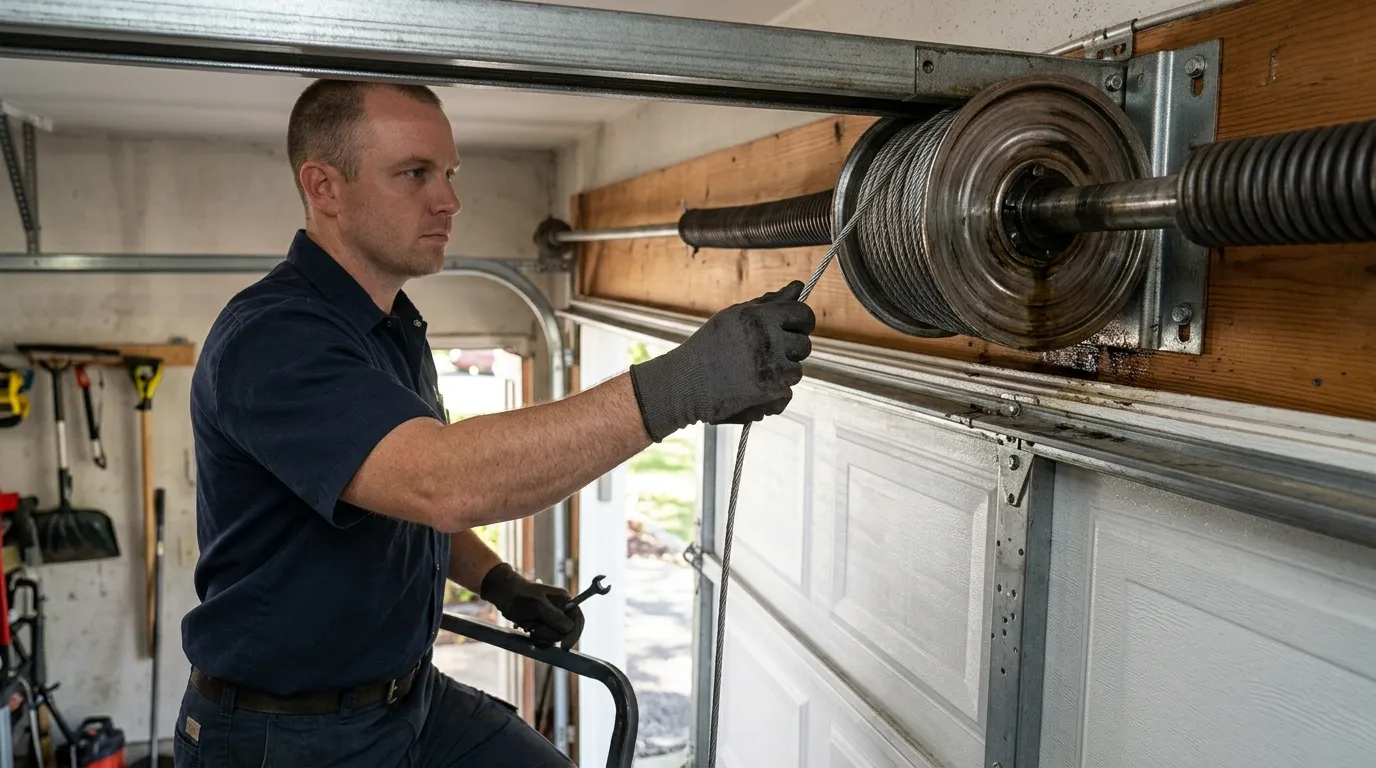
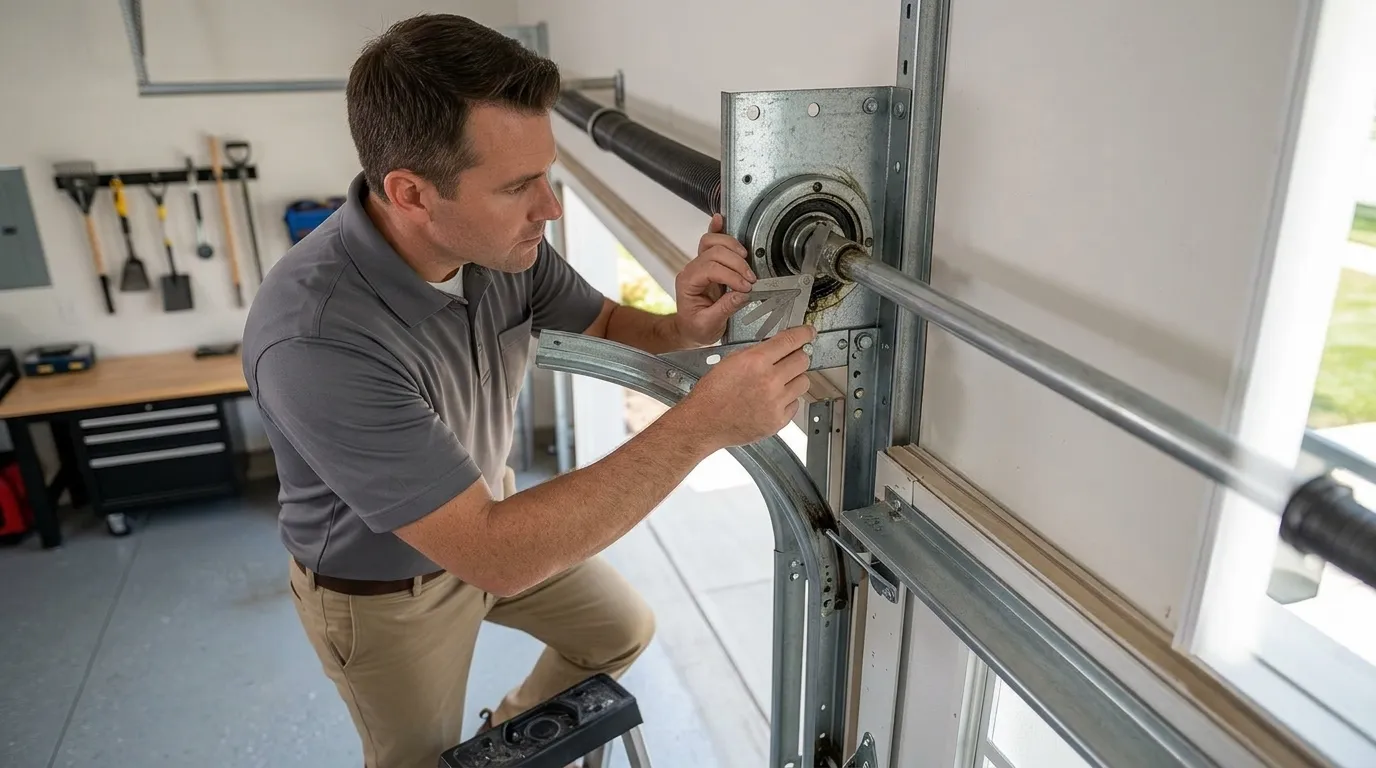
Hardware from this era also tends to run on older-style extension springs mounted along the horizontal tracks rather than the torsion setups now standard on new installs. They work, but they're less forgiving to service and more prone to snapping without warning than a properly tensioned torsion system.
The Housing Here
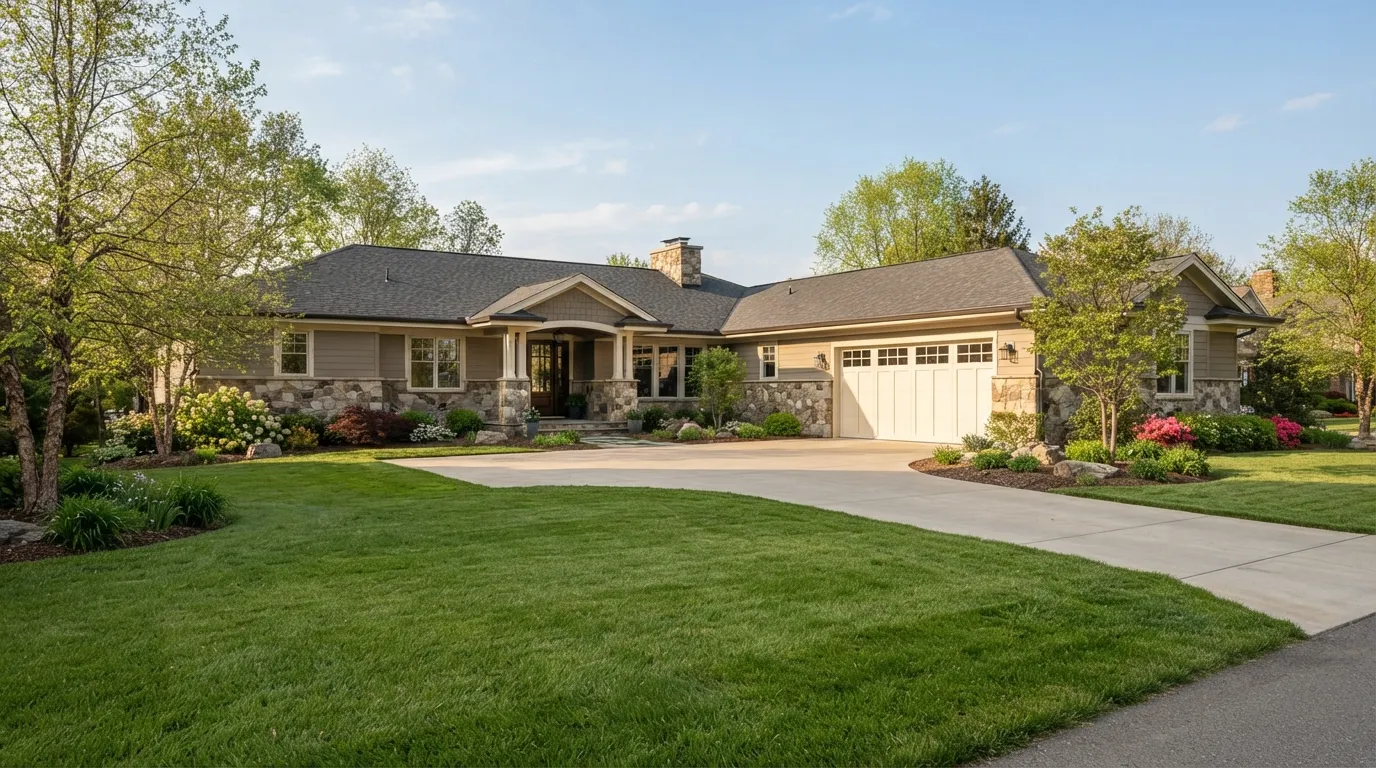
Across this side of Abilene, housing stock mostly dates from the 1960s and 70s, with median household income in the service area at $63,683 and a housing mix that leans heavily owner-occupied - 3,371 of the 4,455 households across the area own rather than rent. Buck Creek Area fits that pattern: single-story homes with attached garages built for a single car or a modest double, put up during the same construction run as its neighbors closer to the center of town.
That consistency is useful on a service call. When a door and opener combination shows up over and over in a neighborhood built in the same decade, we already know the likely failure points before we open the panel, which keeps diagnostic time down and keeps the bill closer to the actual repair than to guesswork.