Where This Is
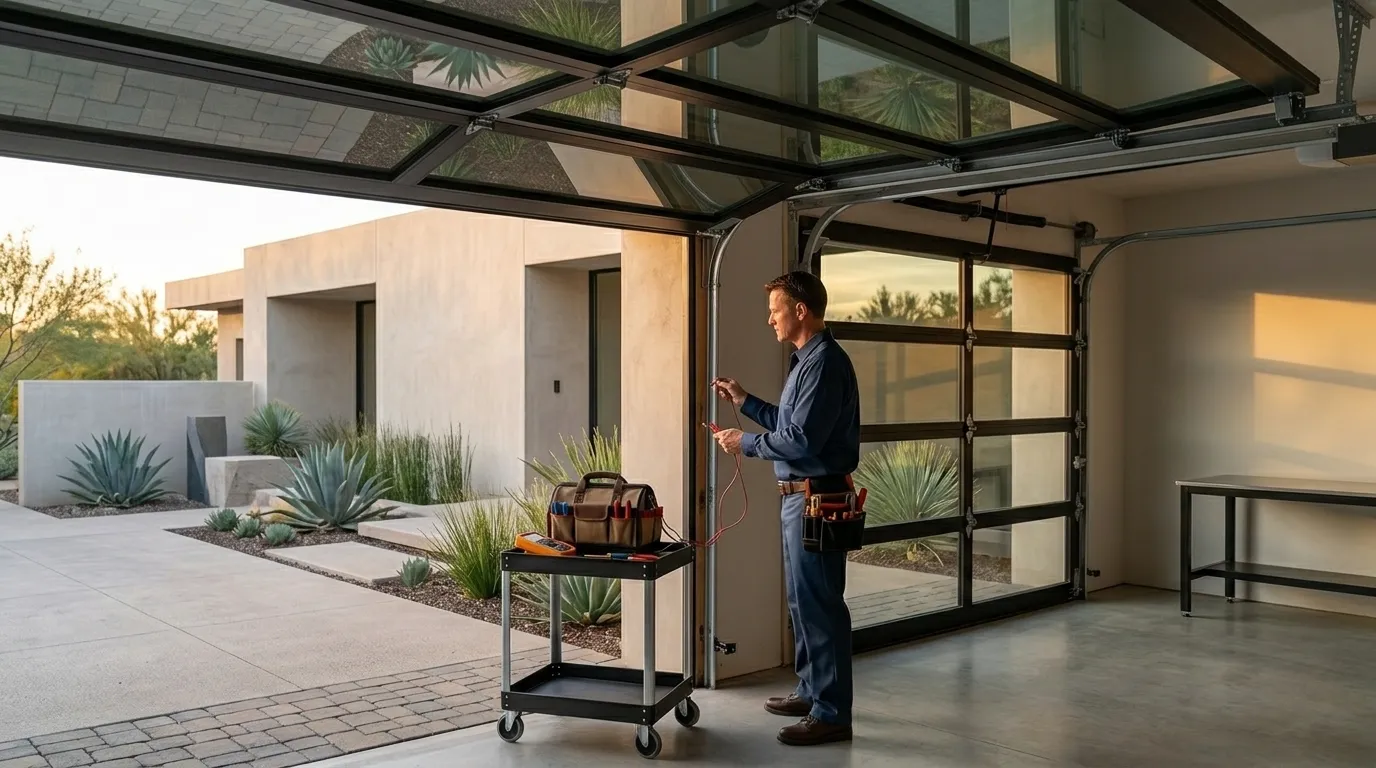
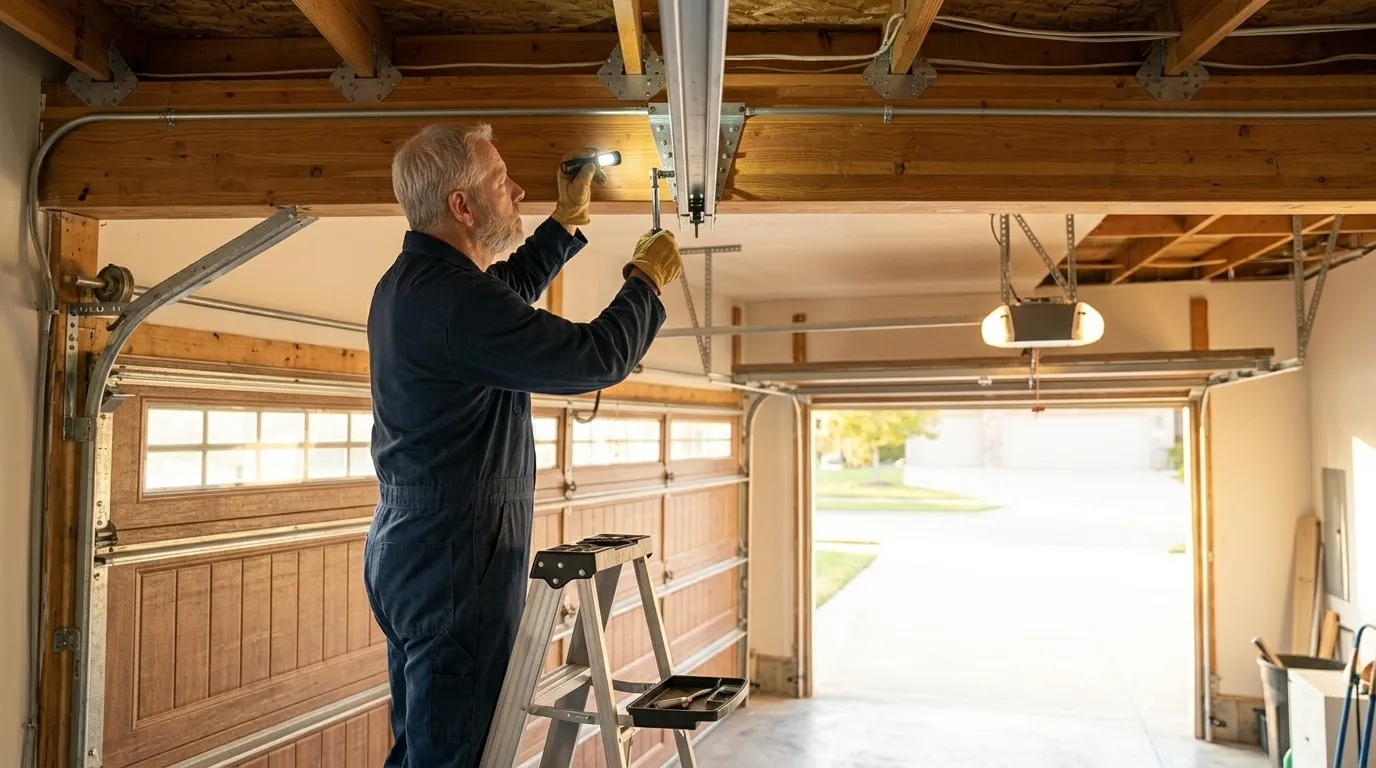
North E. Hwy 80 sits about 2 miles east of downtown Abilene, a narrow strip that runs along the highway corridor rather than around a single subdivision. North College is two miles to the northeast, and South E. Hwy 80 mirrors it two miles to the southeast on the other side of the road. Abilene Heights sits two miles to the east-northeast. We treat this as its own stop, not an extension of downtown, because the housing pattern along the highway frontage runs differently than it does closer to the center of town. Garages here tend to face the side streets rather than the highway itself, which matters when we're figuring out clearance for a new opener rail or a wider door. If you're on this stretch, you already know it's a quick run in from most of the rest of Abilene, and that's true for us too - we're not routing a truck across town to get to you.
What the Doors Are Like
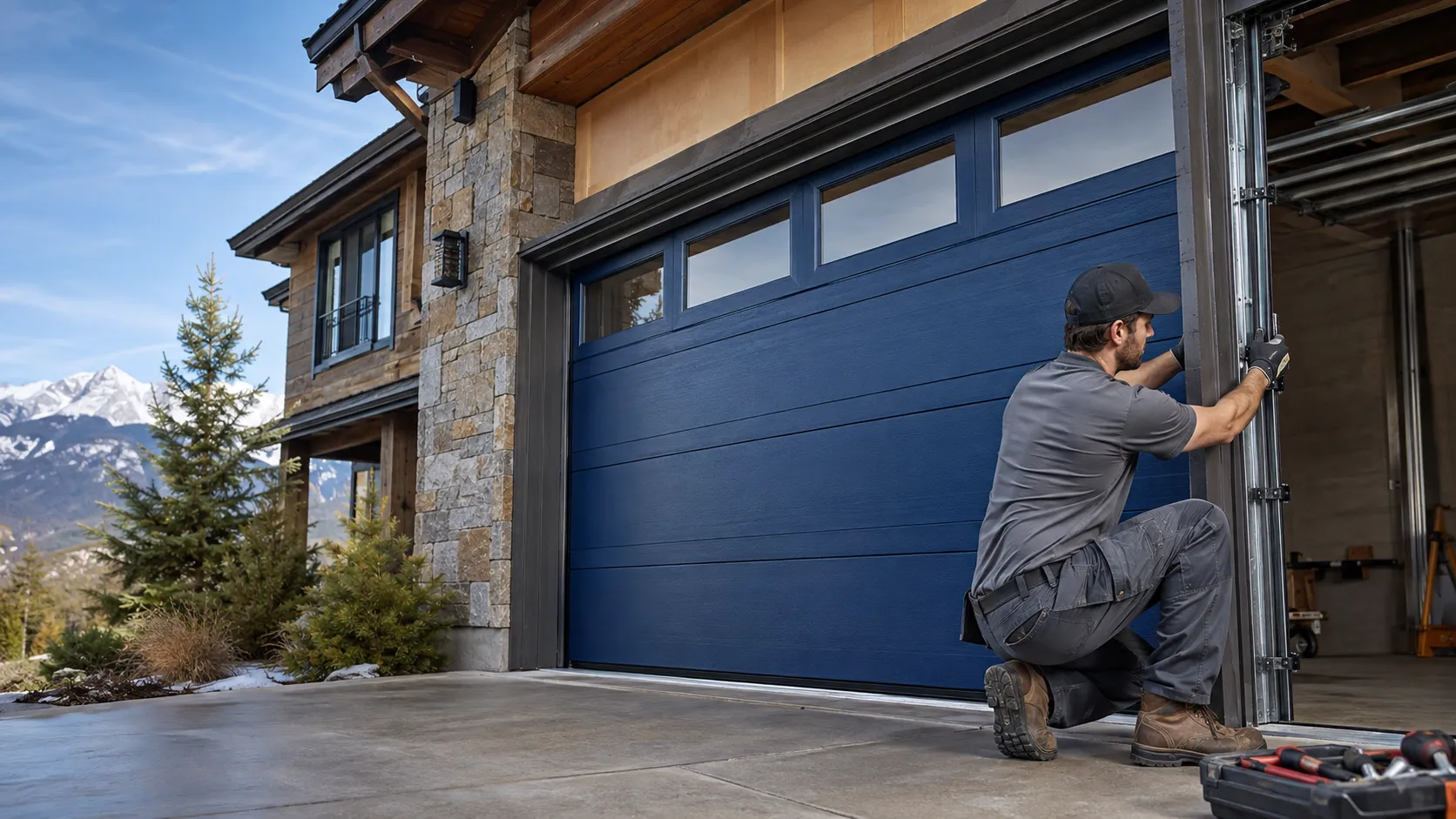
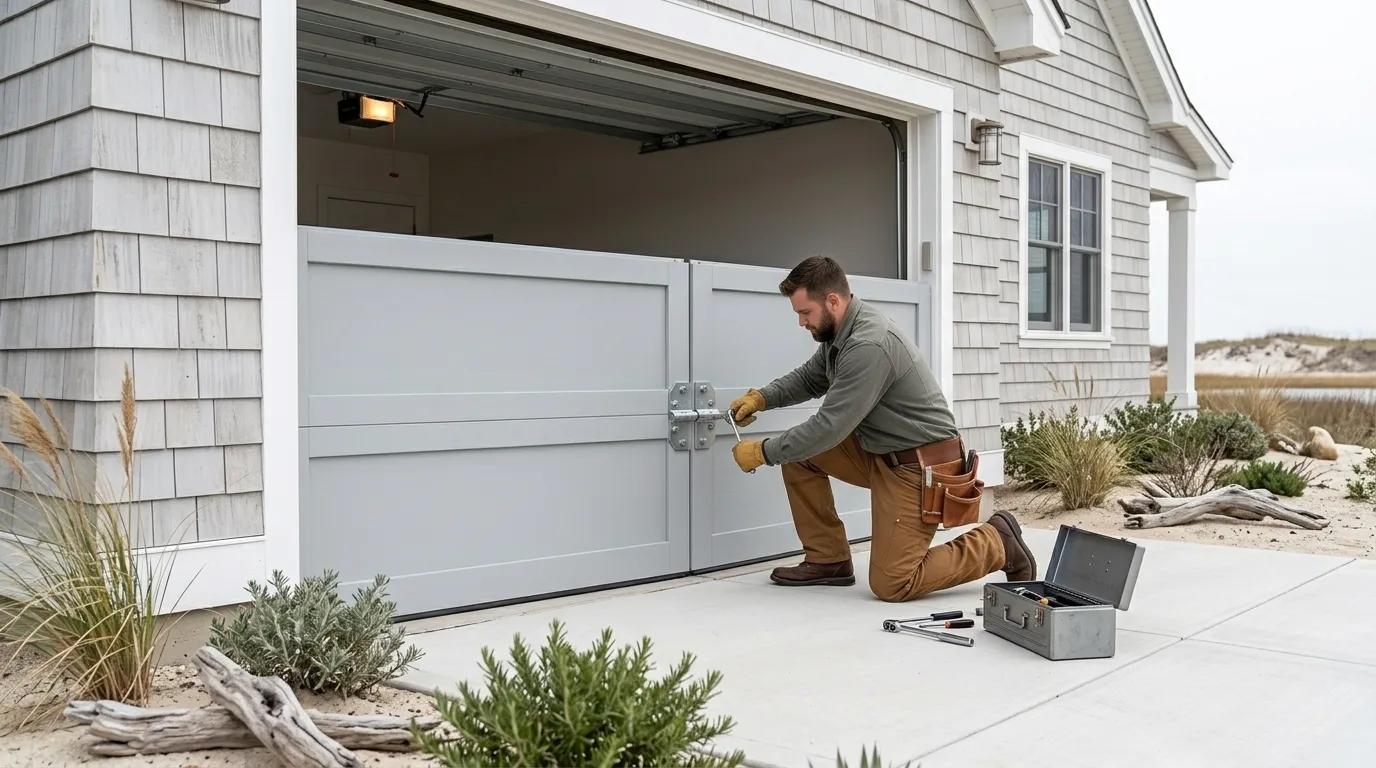
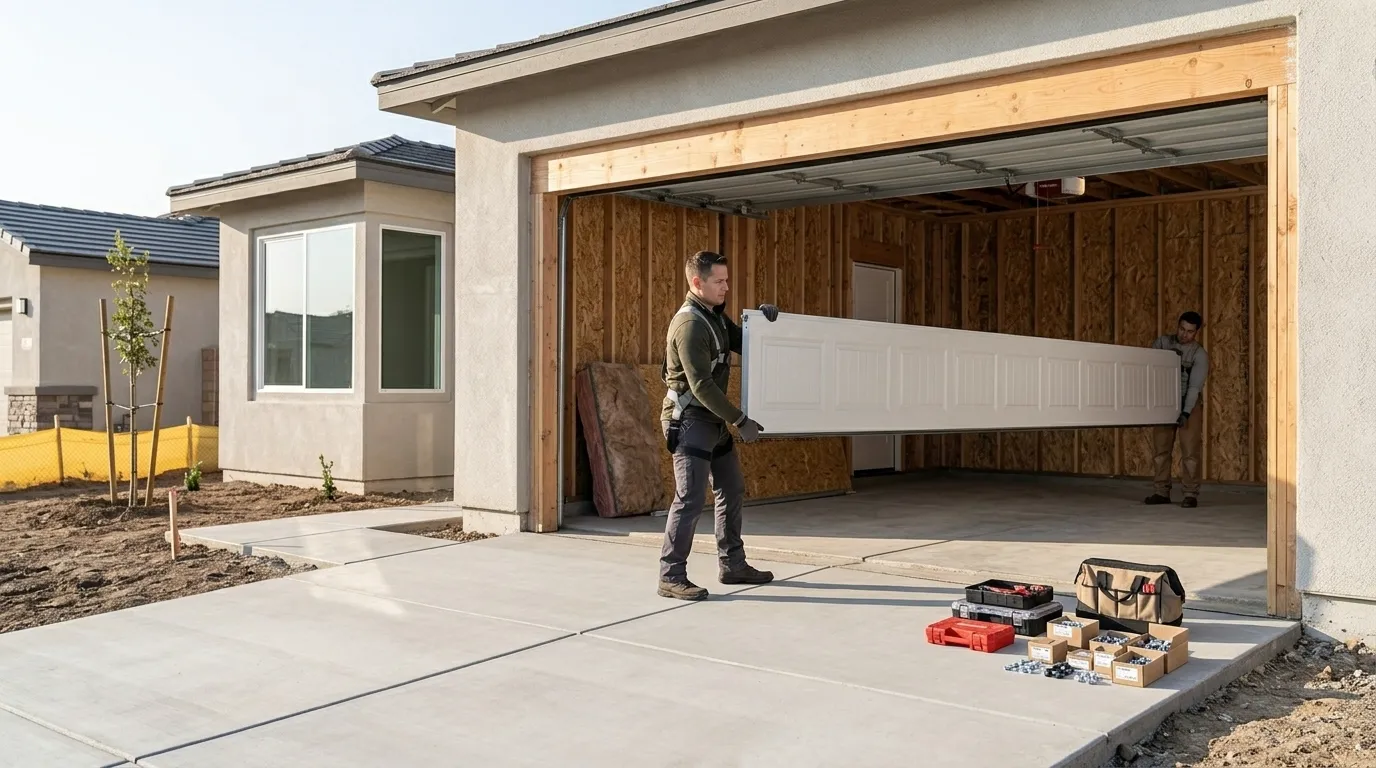
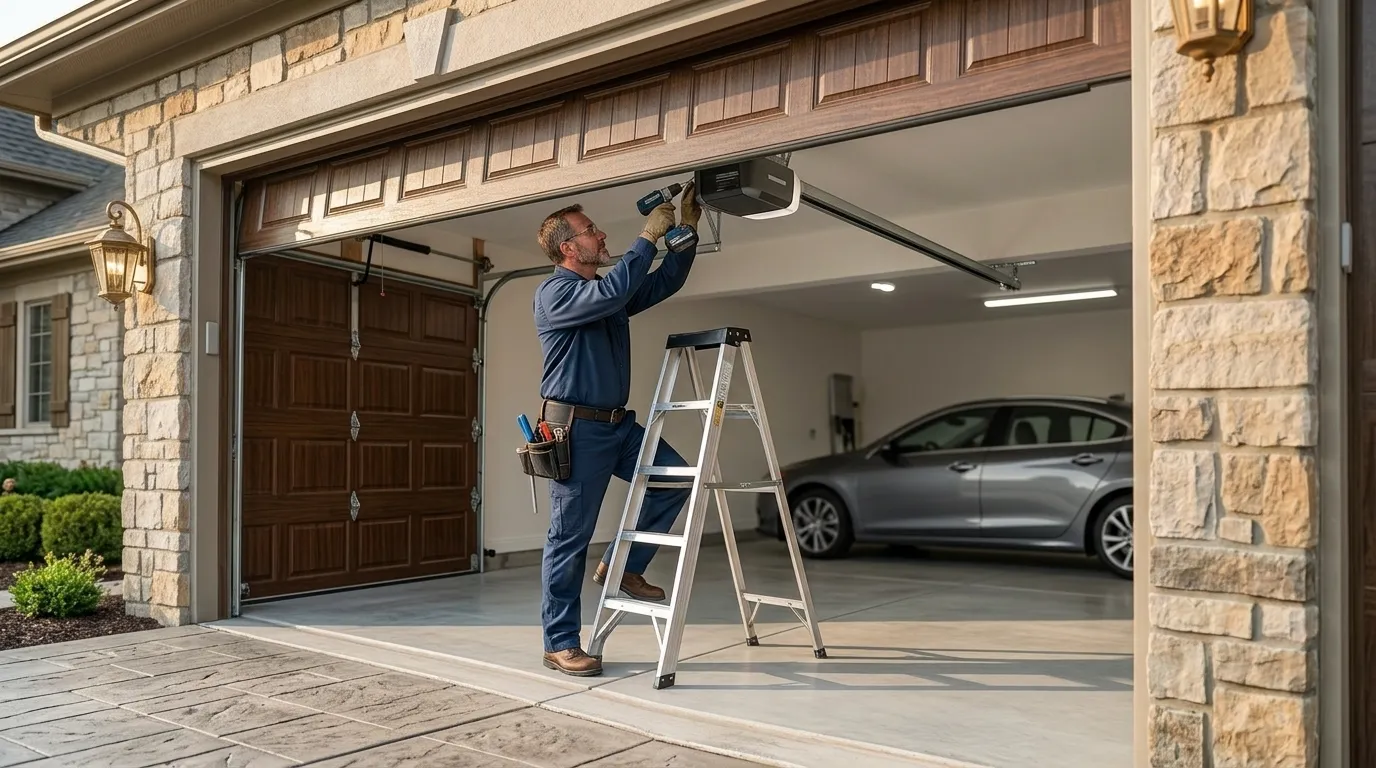
Housing along this part of Abilene mostly went up between 1963 and 2003, with the typical house dating to around 1973, so the doors we run into split into two rough groups. The older group is steel one-piece or early sectional doors on hardware that's been replaced at least once by now, if it's been maintained at all. The newer end of that range - houses built closer to the 1990s and 2000s - tends to have sectional steel doors with factory insulation, which matters more here than it would somewhere warmer. Abilene sits in a cold-moderate climate band, and a door without insulation loses heat straight into an attached garage, and from there into the house, every winter night. We see that show up as ice buildup on the bottom seal on the coldest mornings, which is a seal problem more often than it's a door problem, but the fix is the same either way - replace the seal before it tears the bottom panel.
The Housing Here
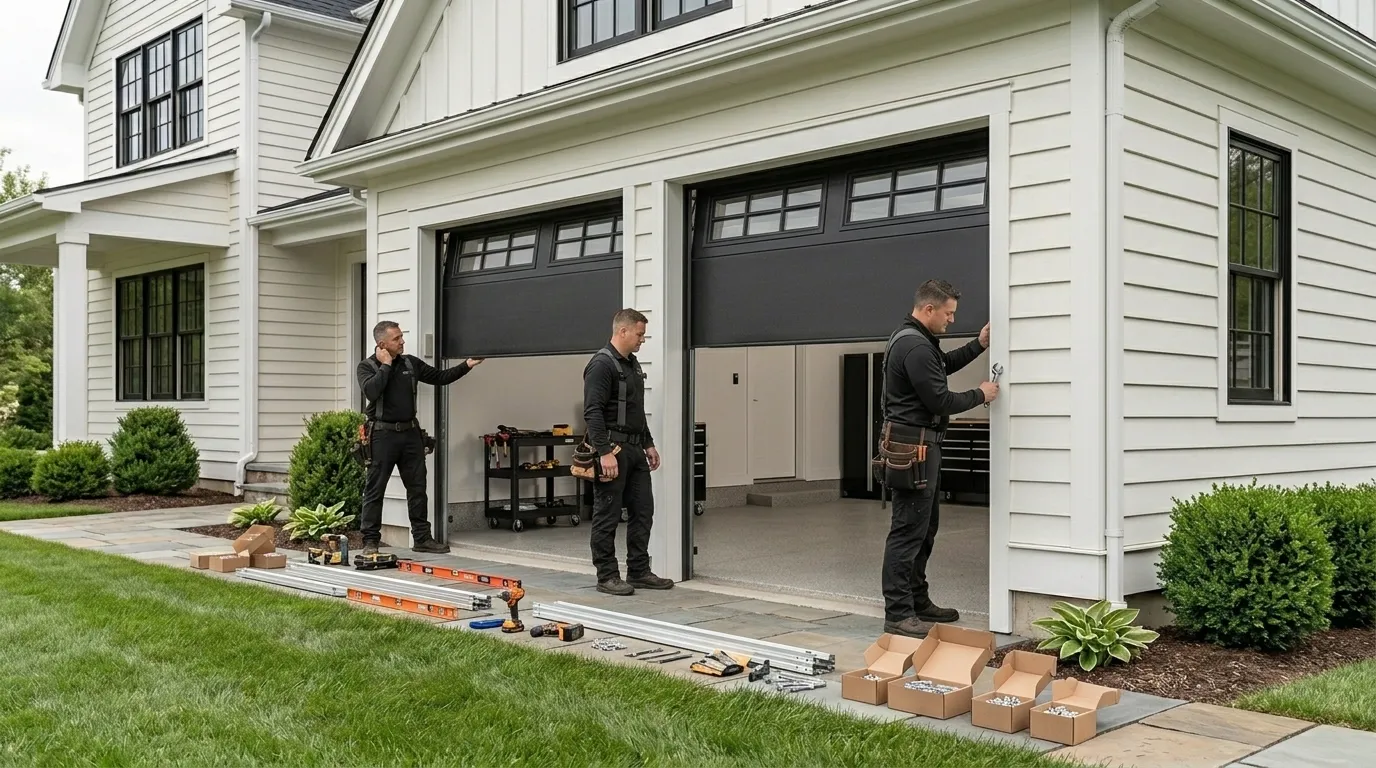
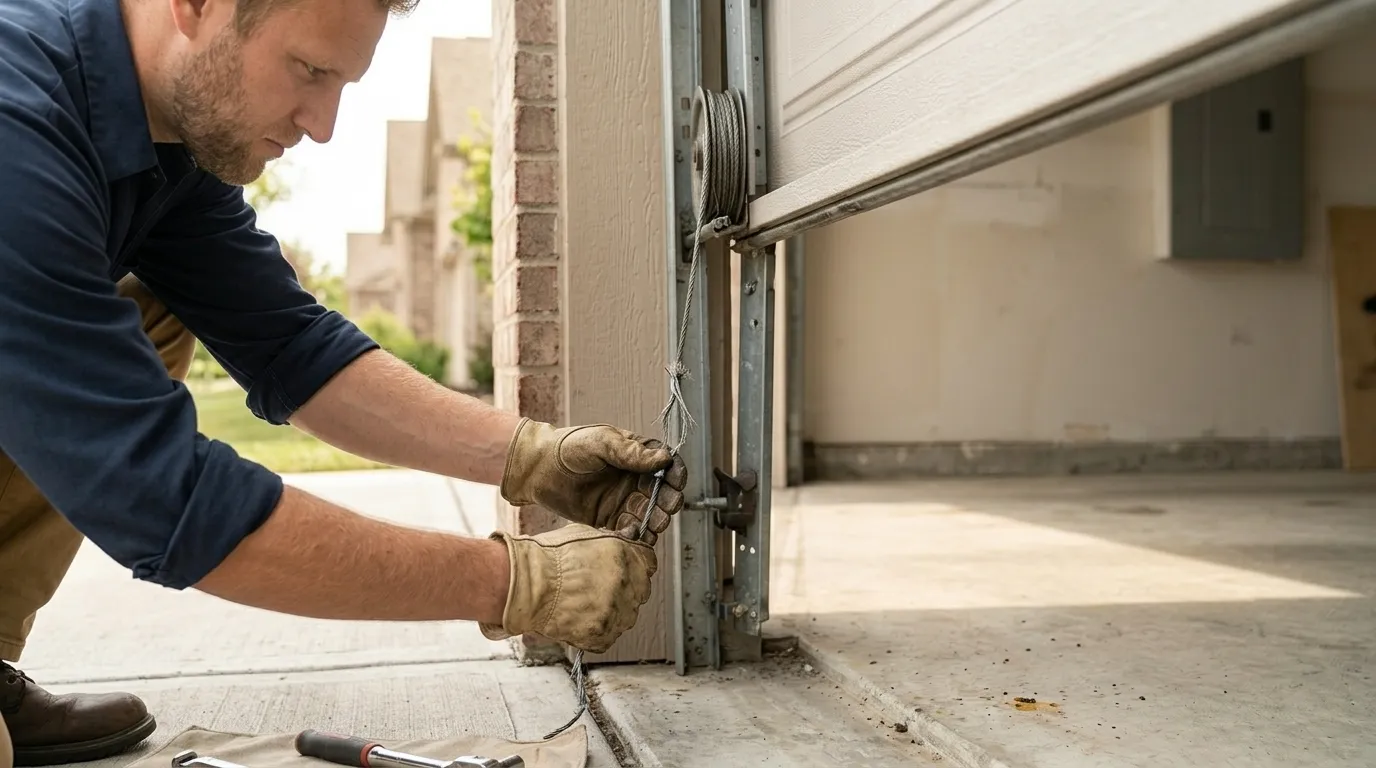
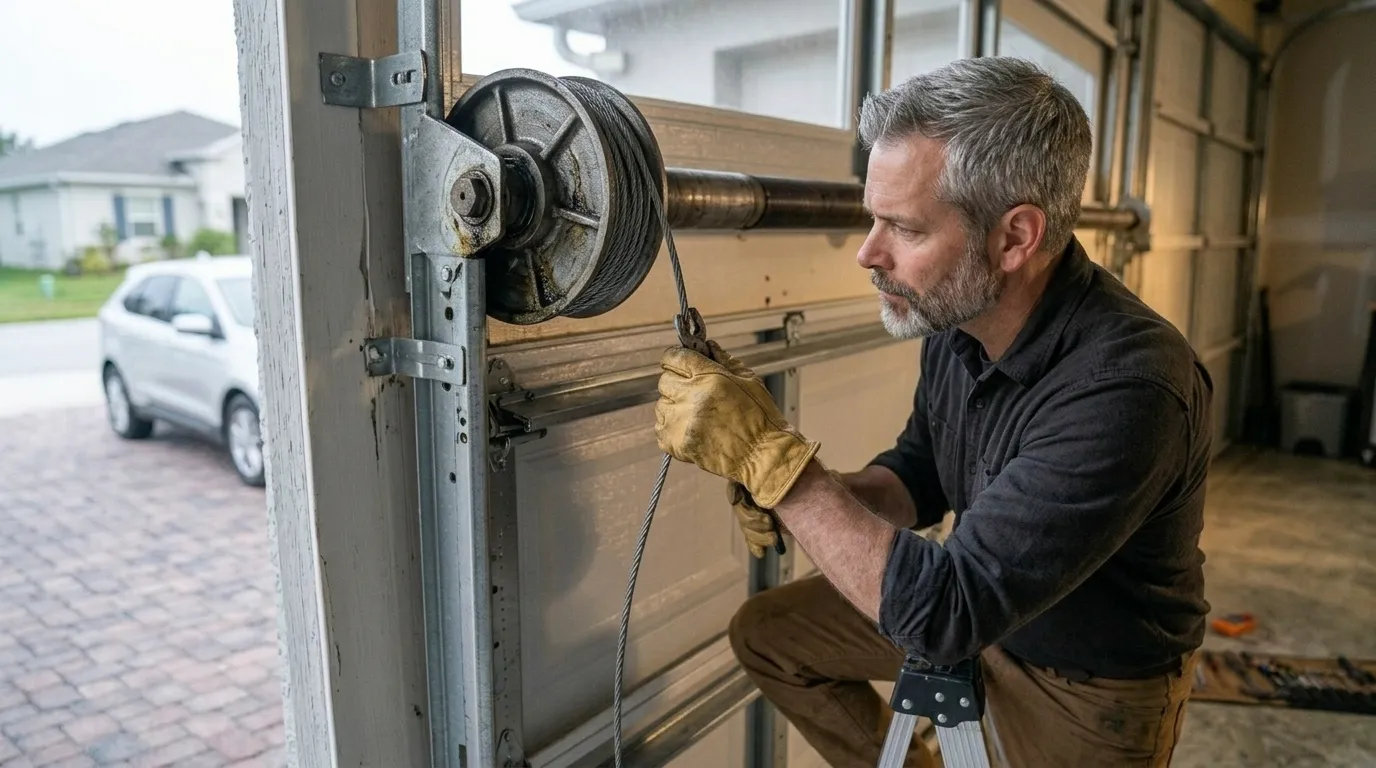
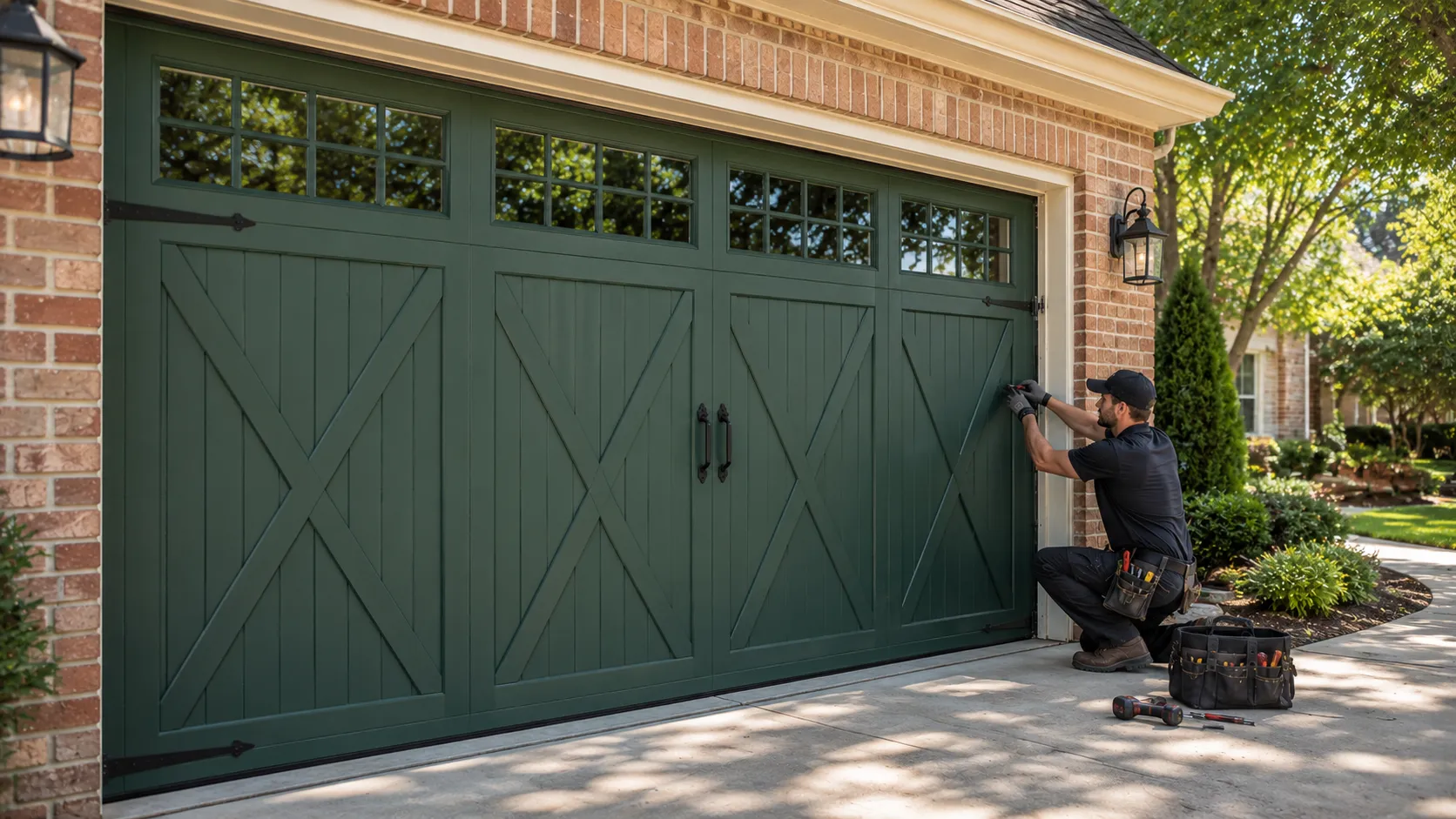
Across the wider service area that includes this corridor, median household income runs $63,683, and most of the housing stock is owner-occupied rather than rental - the service area counts roughly 3,371 owner-occupied houses out of about 4,455 households total. That mix tends to mean owners who've had the same door for a while and are deciding between a repair and a full replacement, rather than a landlord doing the cheapest possible fix. On a door from the 1970s or 80s, that decision usually comes down to whether the track and hardware are original - if they are, parts can be slow to source, and a full replacement often pencils out cheaper than chasing down obsolete brackets. We'll tell you which side of that line your door is on before we quote anything.