What the Housing Means for Your Door
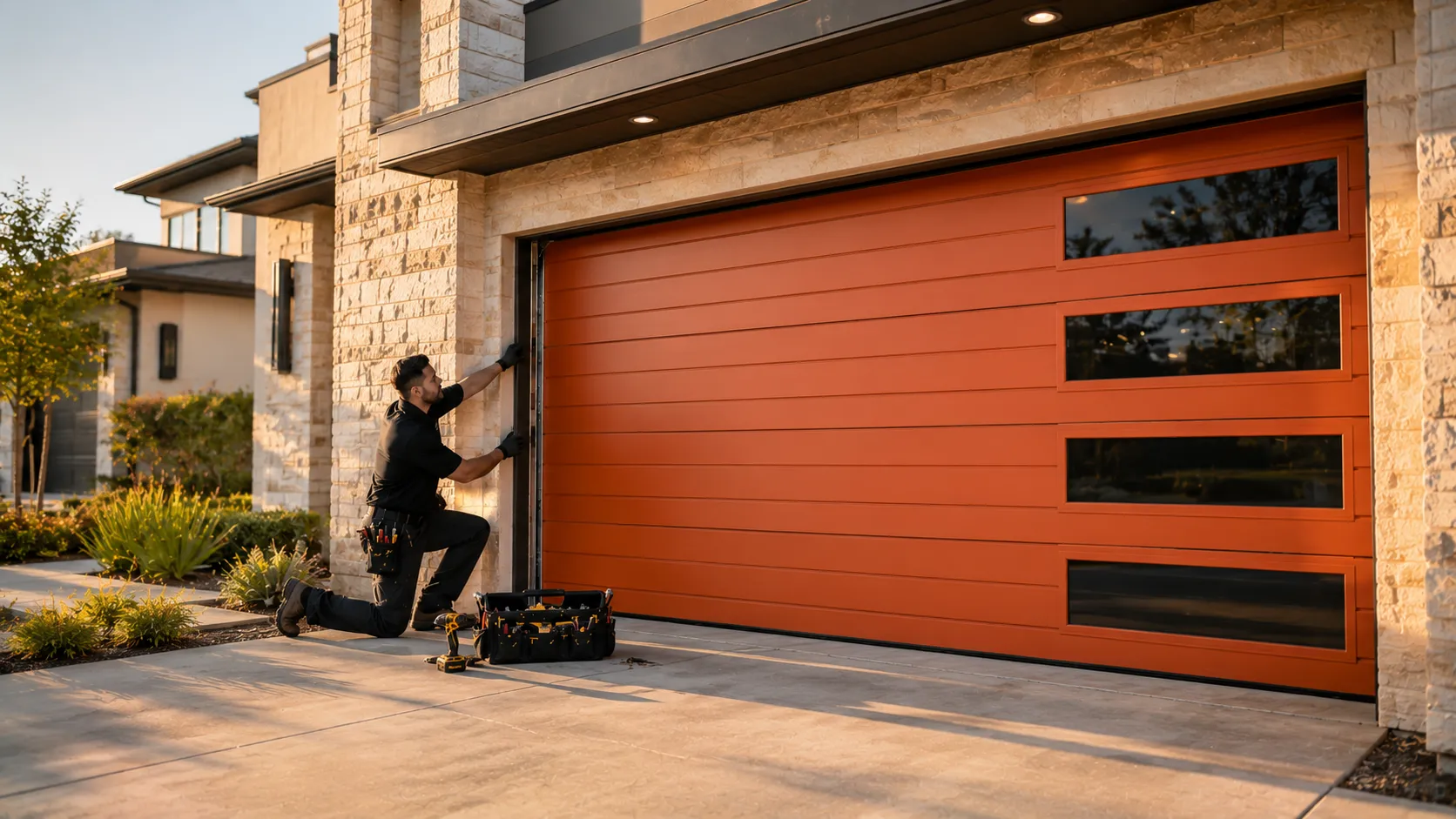
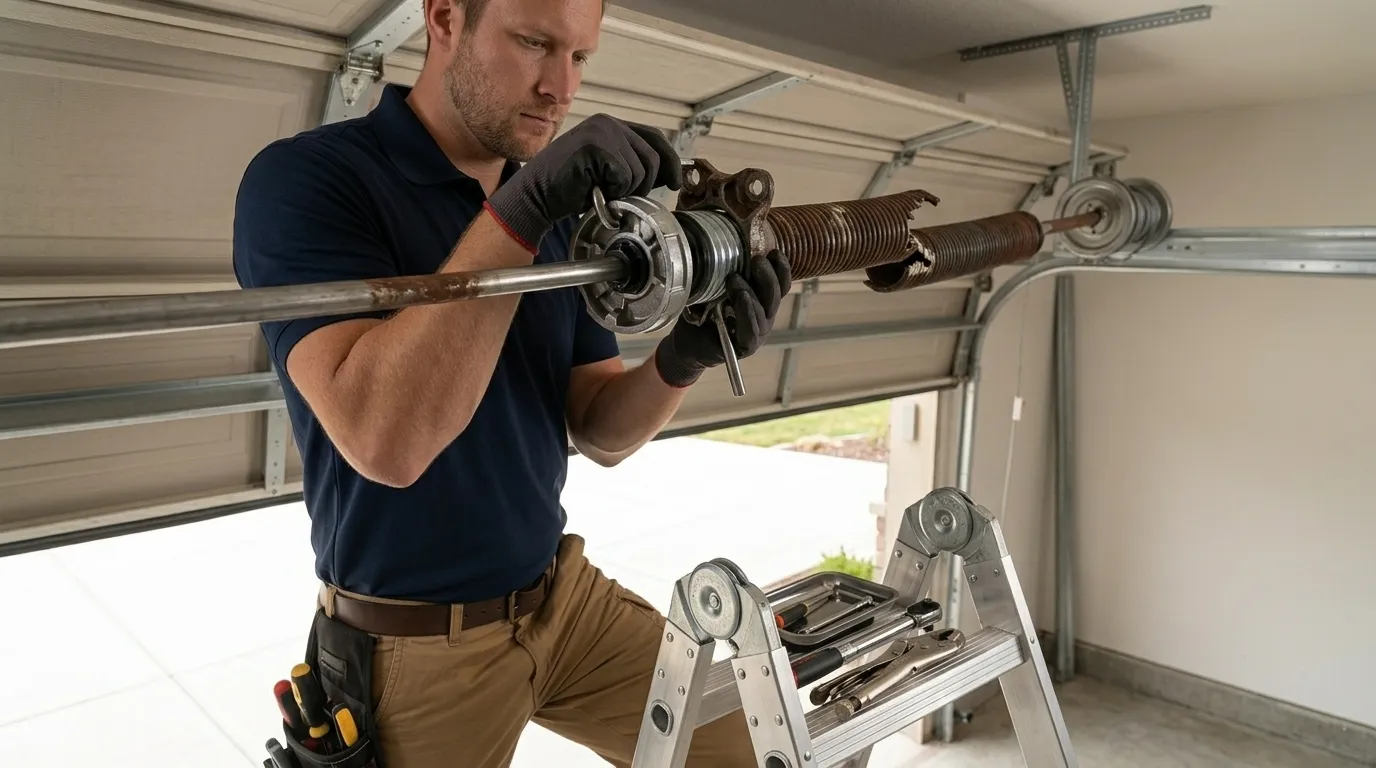
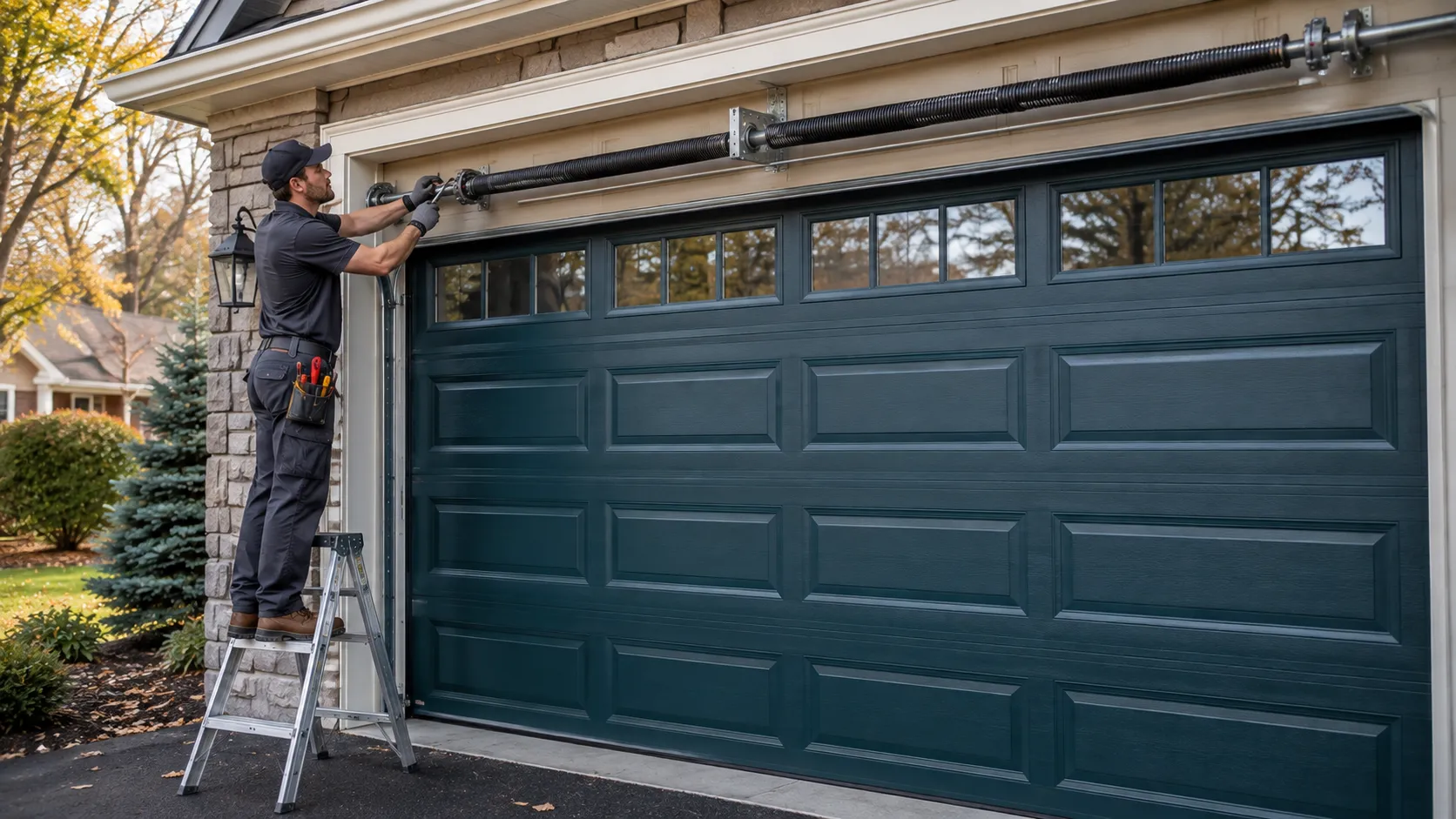
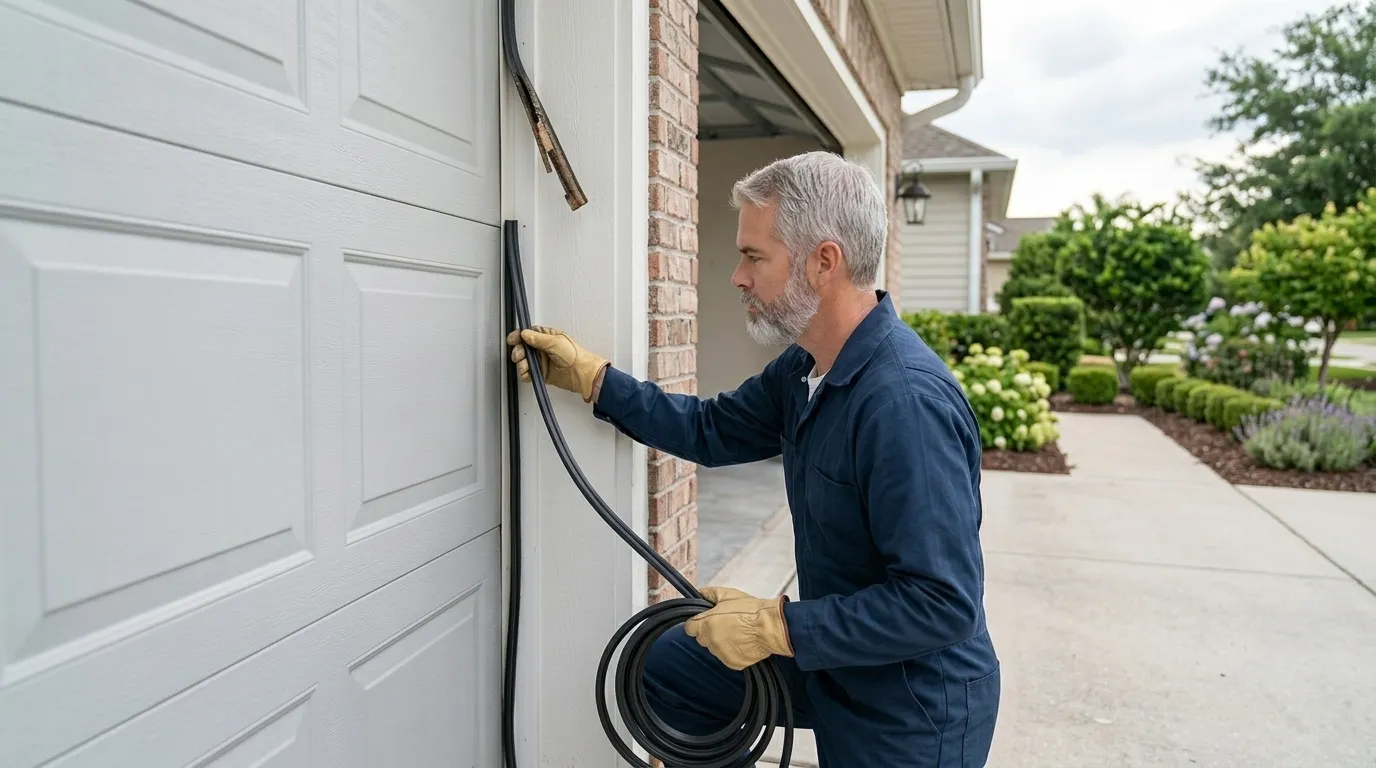
Buffalo Gap's houses were mostly built around 1972, which puts the neighborhood squarely in the era of steel-panel doors on torsion springs rather than the older side-mount extension hardware you'd find in an older part of town. That matters because parts availability follows the era: torsion spring sizing from the early 1970s is still stocked, but the original door slabs from that period are thinner-gauge steel than what's sold now, and they dent and rust through at the bottom panel faster than a homeowner expects. If your door is original to the house, you're looking at 50 years of hardware fatigue - rollers worn oval, cables starting to fray at the drum, and hinges stretched at the pivot holes. None of that is an emergency until the day it is, which is usually a broken spring on a cold morning when the door won't lift at all.
This Area's Housing
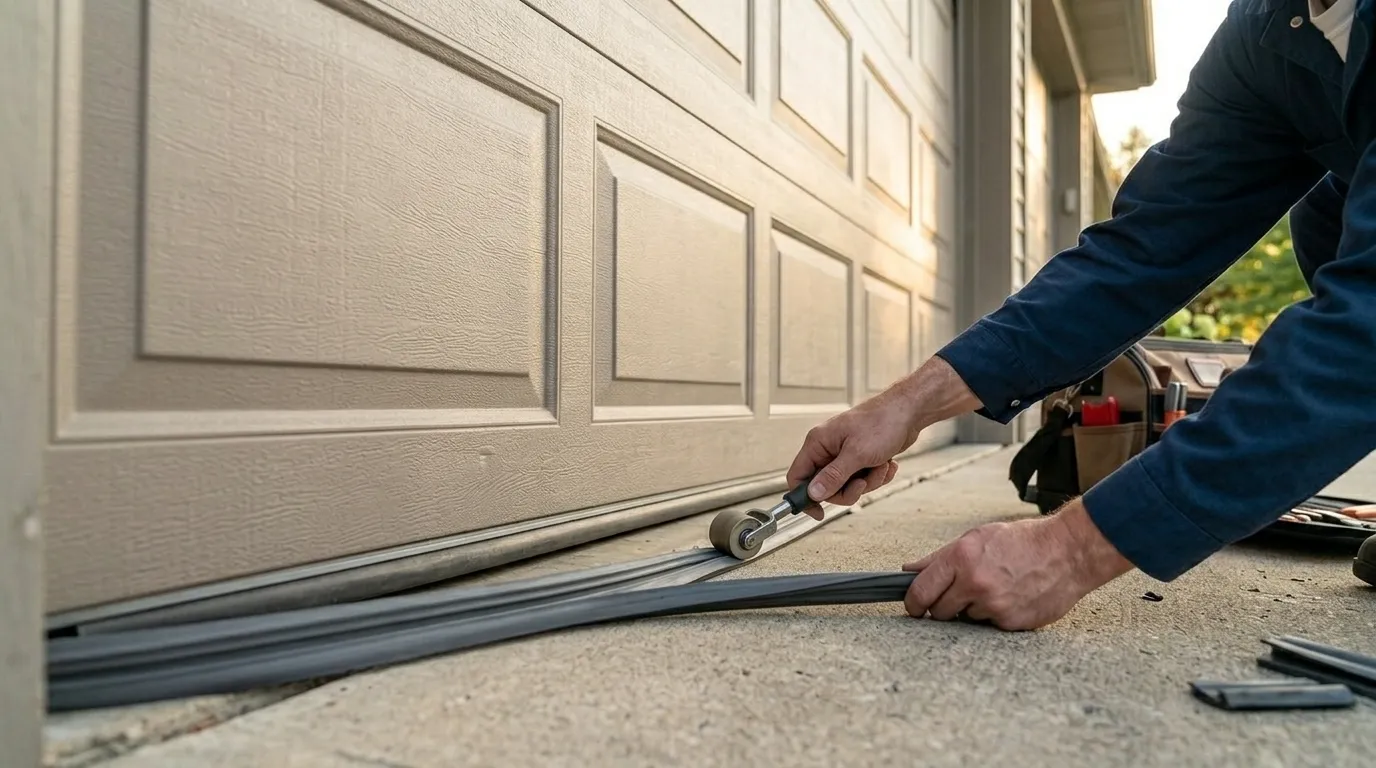
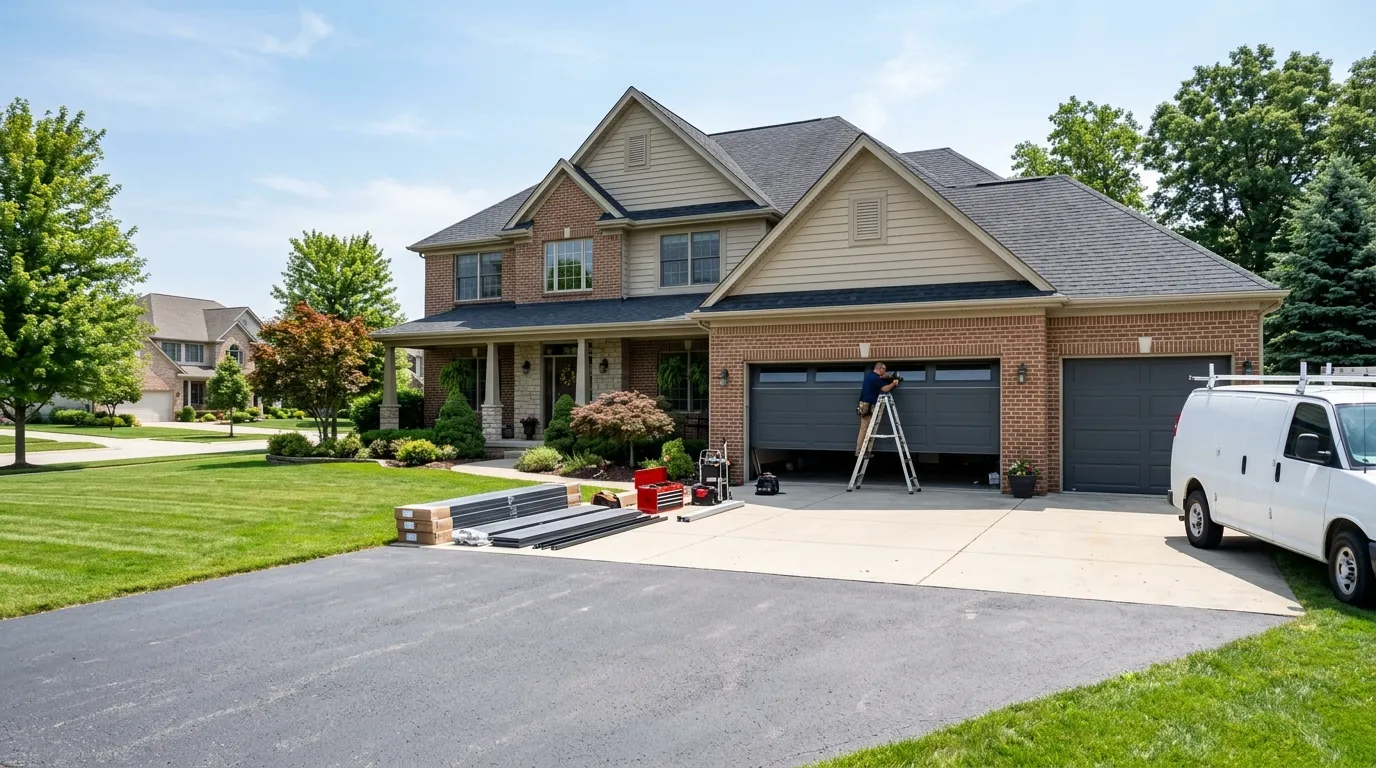
With 218 households in Buffalo Gap and a median income of $63,750, this is a smaller, tighter market than the wider service area's 4,455 households - fewer doors, but a consistent generation of them. Most were installed when the house was built in the early 1970s and never replaced, which means a lot of original springs and openers are well past the point where the manufacturer expected them to still be working. The regional climate band here is cold-moderate, and steel doors from that era don't have the insulation or weatherstripping that current doors carry as standard, so winter mornings are when a tired spring finally lets go. We don't push replacement on a door that's still sound - a torsion spring swap on a 1970s door is usually a repair, not a reason to buy new.
Timing on This Area
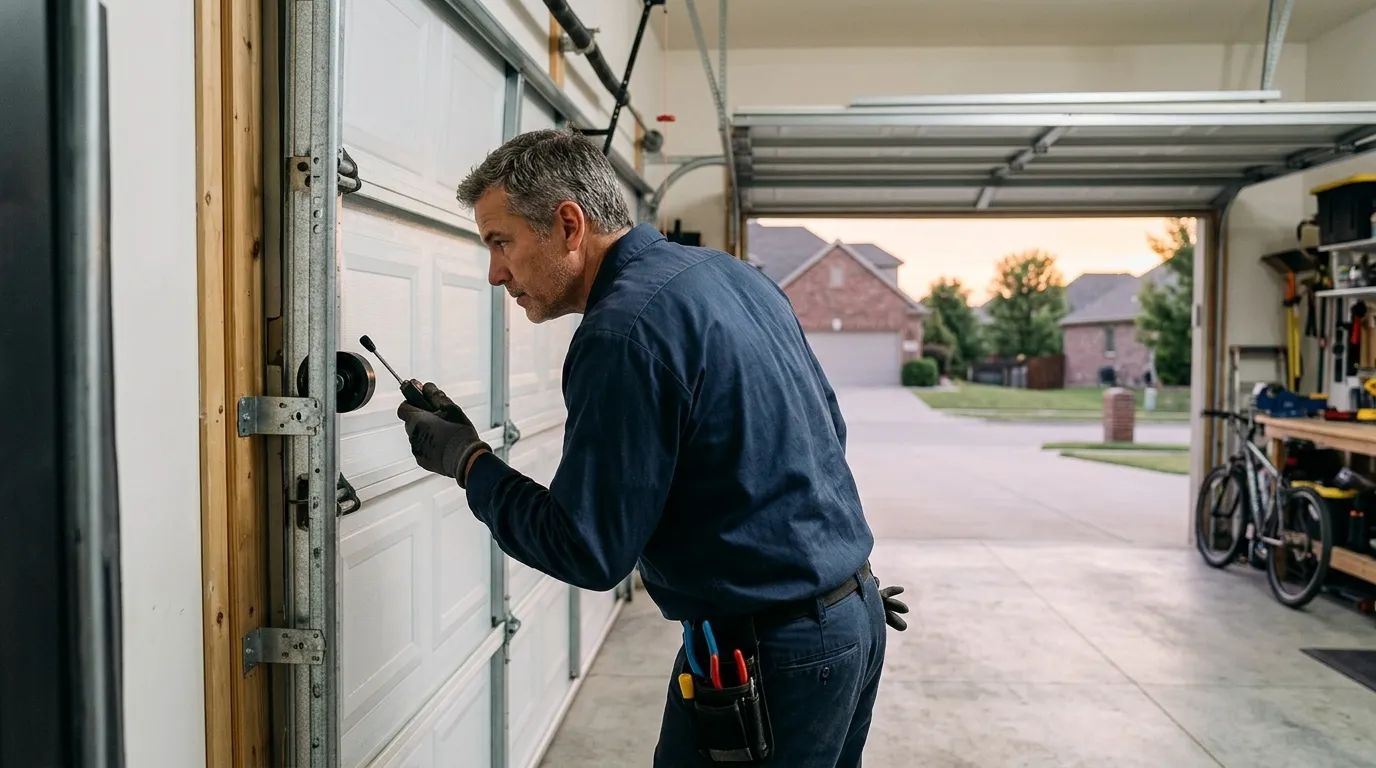
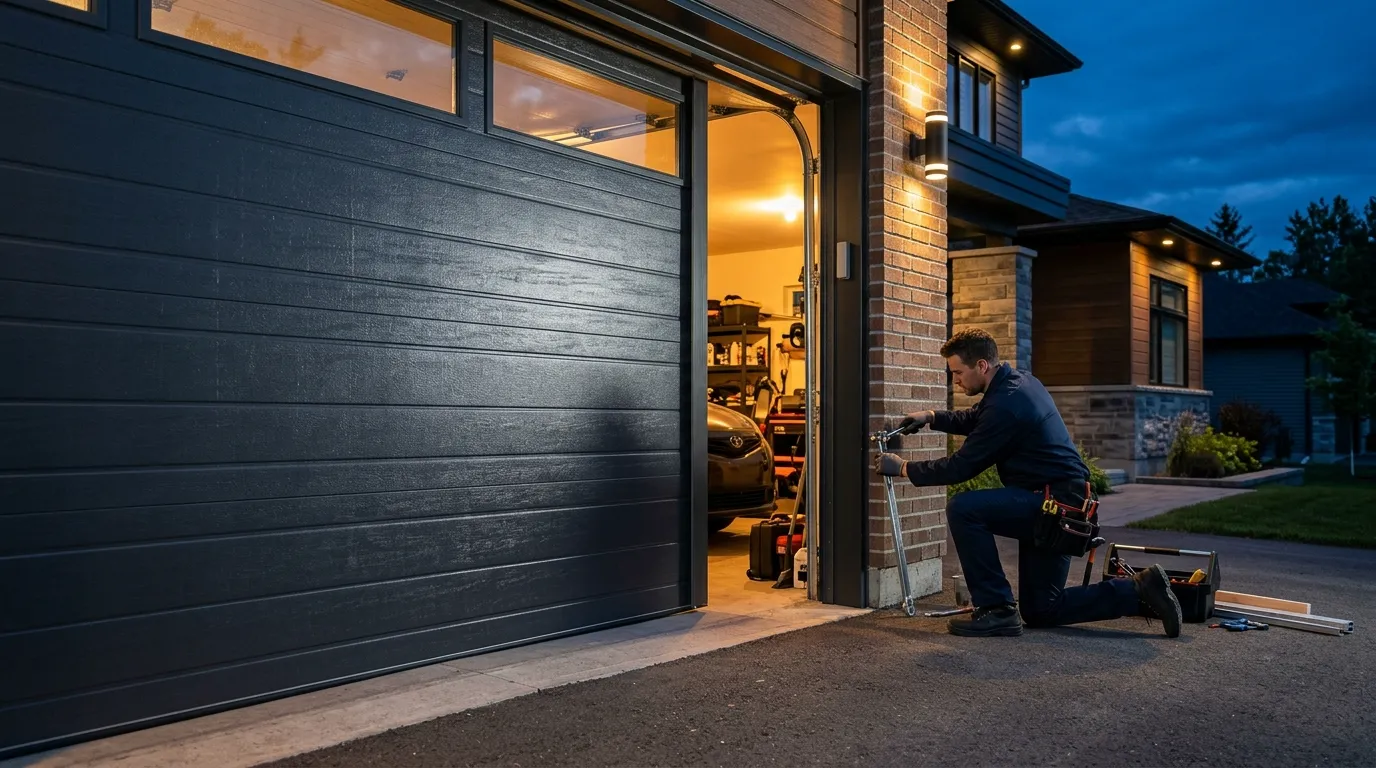
If your door dates to the original 1972 build, the spring has almost certainly been changed at least once already, and the second one is due on borrowed time - torsion springs are rated in cycles, not years, and a household that opens the door twice a day burns through that count faster than people assume. Openers from that vintage, if they've survived, are usually chain-drive units without the safety reversal sensors required on anything sold today; we won't reinstall an opener that old once it fails, because the safety gap isn't something we're willing to patch around. Given the drive out from Abilene, we'd rather diagnose the actual fault over the phone first - spring, cable, or opener - so the trip covers the right parts on the first visit instead of a second run.