What the Housing Means for Your Door
Potosi sits about 9 miles out from Abilene, and the houses out here skew newer than a lot of what we see closer in. The median build year for this area lands around 2003, decades past the 1973 median that covers the wider service area. That gap matters more than it sounds like it should.
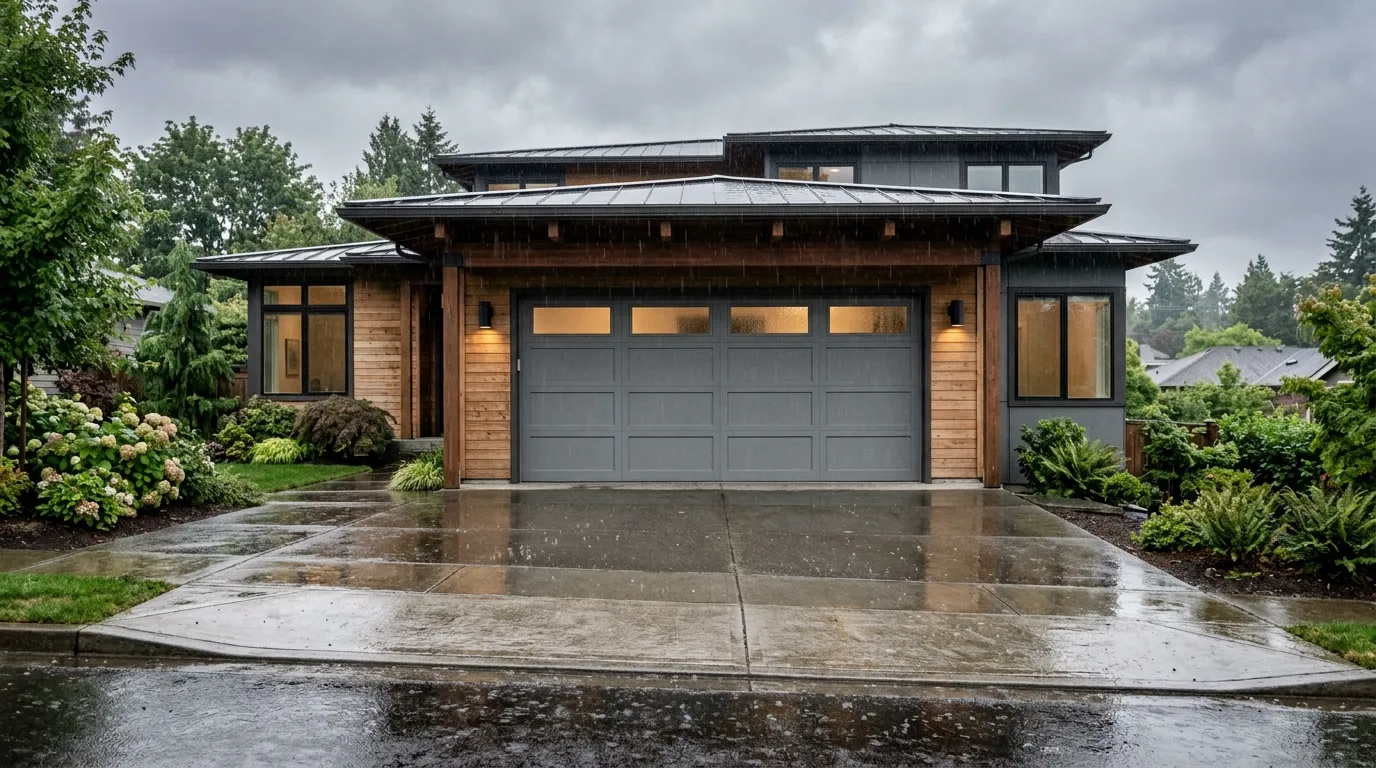
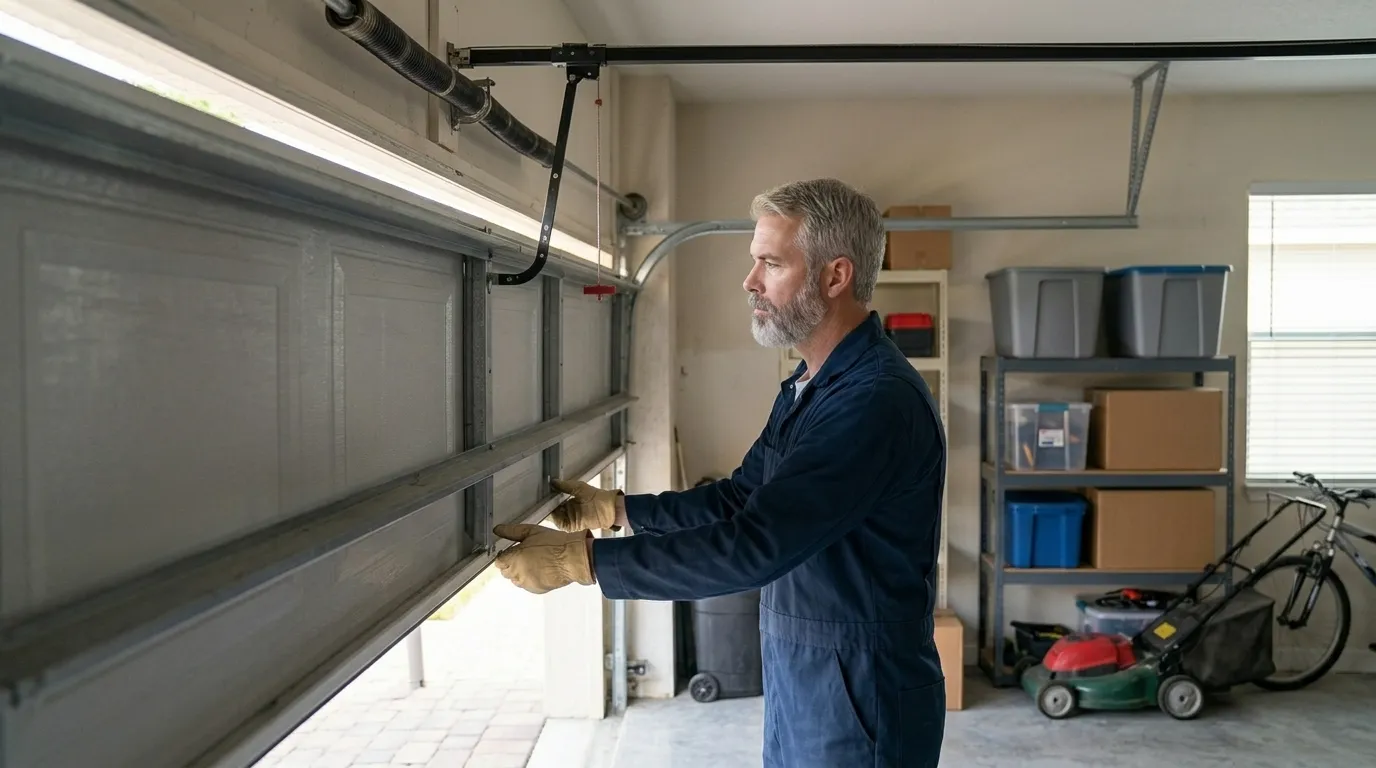
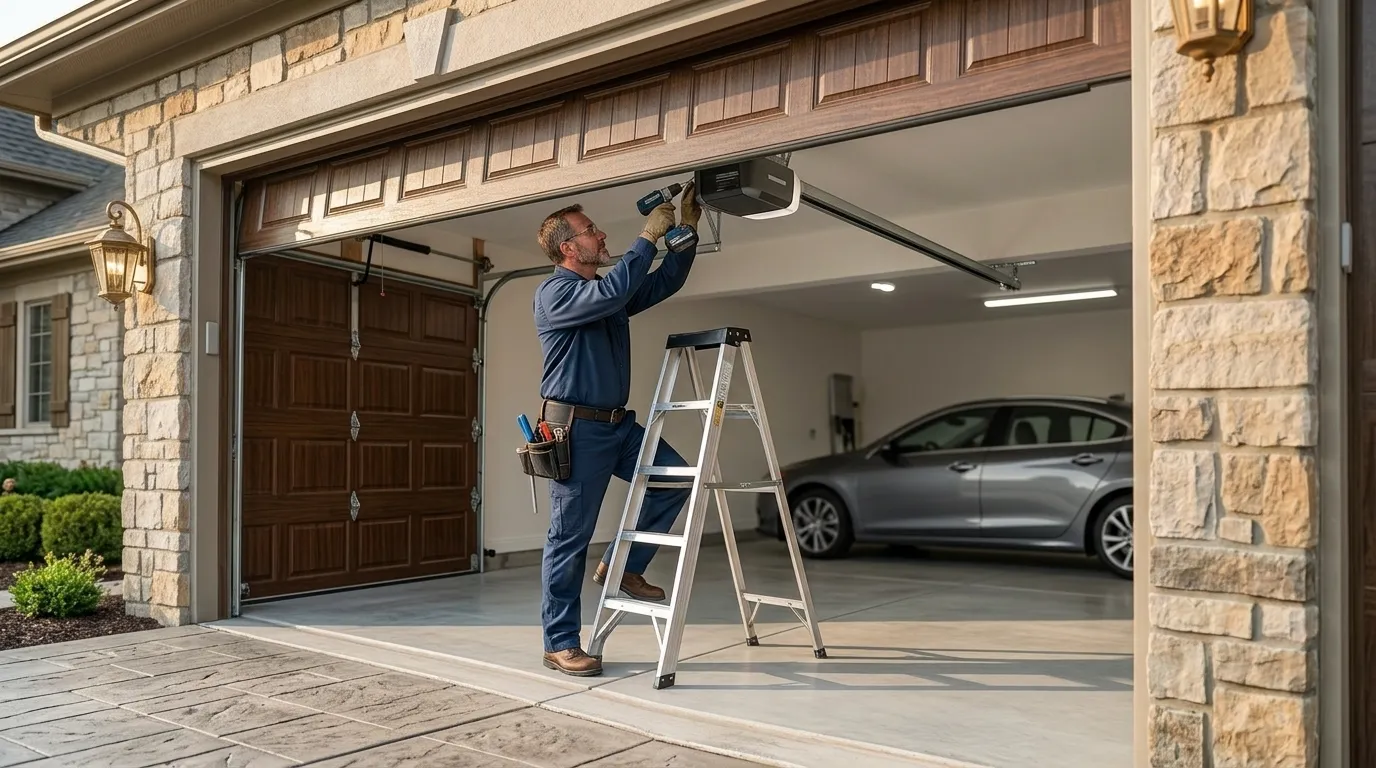
A house built in 2003 almost never has the original one-piece door or the side-mounted torsion spring that shows up on older stock. What you're more likely dealing with is a factory steel sectional door on a standard extension or torsion setup, paired with a chain or belt-drive opener from the early 2000s that's now old enough to need a logic board, a drive gear, or a full opener swap rather than a simple adjustment.
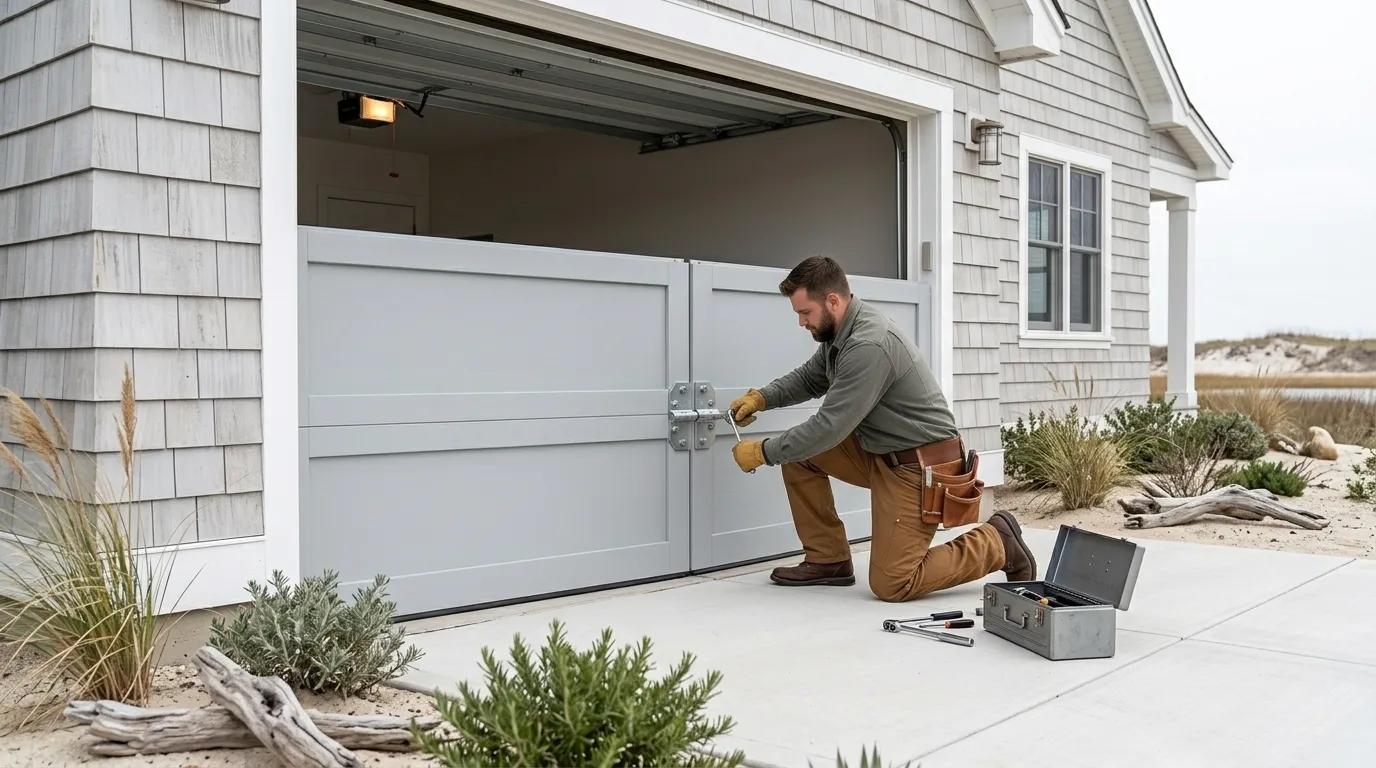
We still see failures - rollers wear out, cables fray, sensors drift out of alignment - but the failure pattern out here leans toward opener electronics and weatherstripping fatigue rather than the seized original hardware you find on a house from the 1960s or 70s. Worth knowing before you call: if your opener predates 2003, parts availability starts getting thin, and replacement is often the more honest answer than another repair.
This Area's Housing
The area runs about 1,341 households, and the median household income here is $113,340 - well above the $63,683 median across the broader service area this business covers out of Abilene. That income gap tends to show up in the kind of doors and openers installed: more insulated steel or composite panels, more openers with battery backup or smart-home tie-ins, fewer bare single-layer doors.
It doesn't mean the doors don't fail. Insulated panels still delaminate at the seams, smart openers still lose Wi-Fi sync or drop a limit setting, and a heavier insulated door puts more strain on springs rated for a lighter panel if someone swapped one out without re-rating the spring. What it does mean is that a repair here is less likely to be
Timing on This Area
Potosi runs 9 miles from Abilene, and that's a real number to plan around - we're traveling in from the shop, not sitting in the area already. If your spring snaps on a Tuesday morning, factor that drive into when you can expect a truck, not an instant knock on the door.
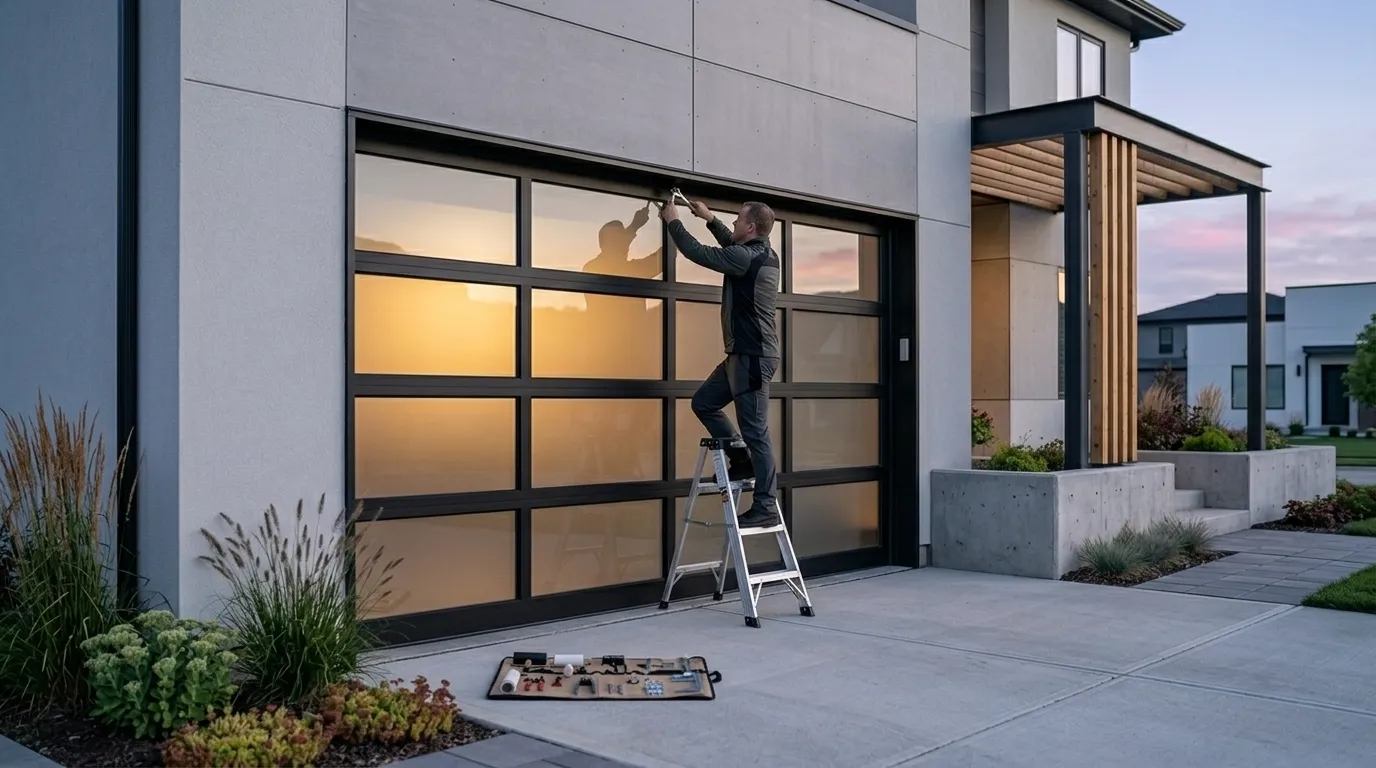
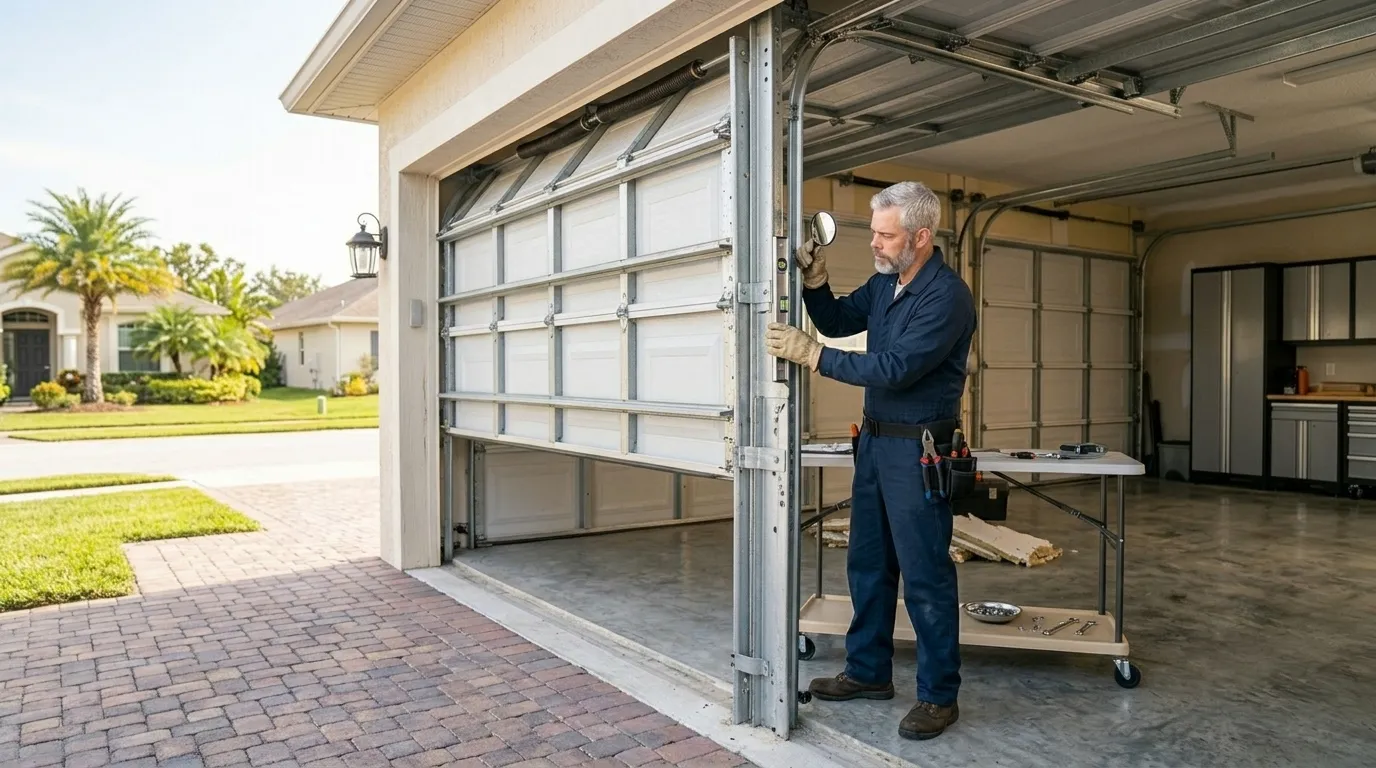
Given the newer housing stock out here, the jobs we run tend to be opener repair or replacement, spring adjustment on doors that are 15-20 years into their service life, and occasional panel damage rather than the wholesale hardware replacement that older housing stock demands. That's a shorter job on average, which can offset some of the drive time on the estimate side.
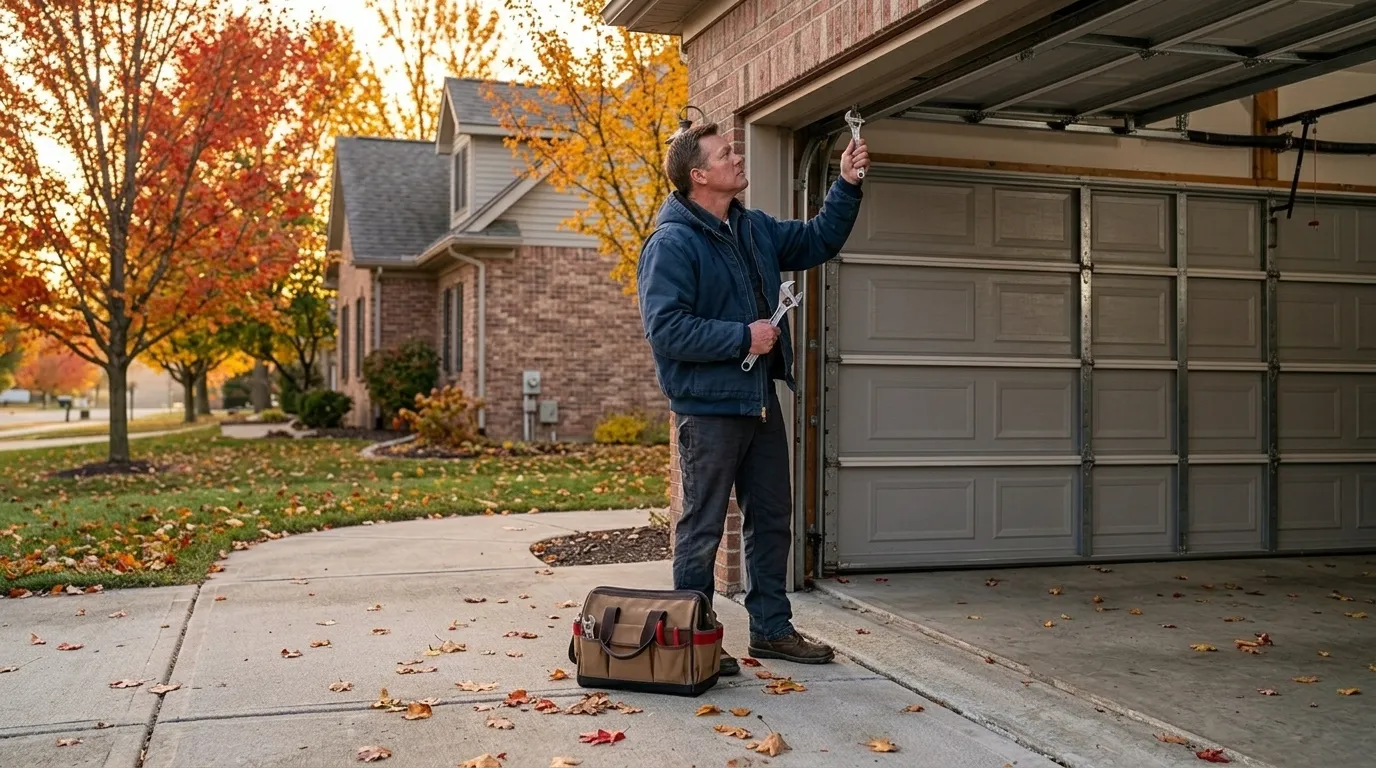
The climate band for this area is cold-moderate, which is gentler on garage door steel and seals than a harsher swing climate, but temperature cycling still stiffens torsion springs and dries out weatherstripping over a winter. If you're planning ahead rather than dealing with a break, late fall is a reasonable time to have someone check tension and seals before the cold sets in, but we don't have area-specific weather data beyond the climate band itself, so treat that as general advice, not a local forecast.